1899 - 1920
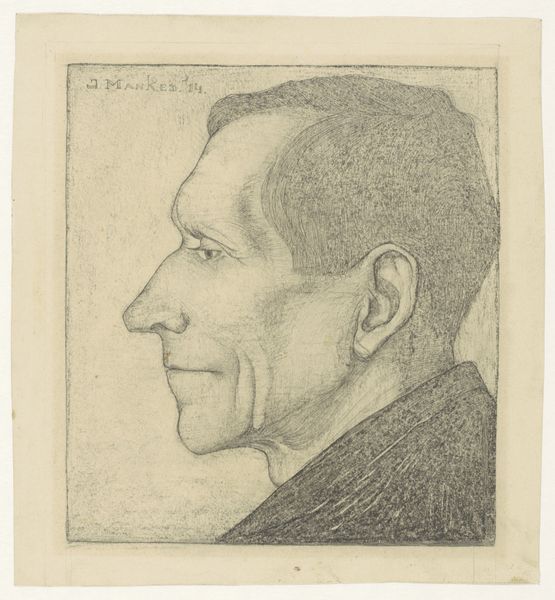
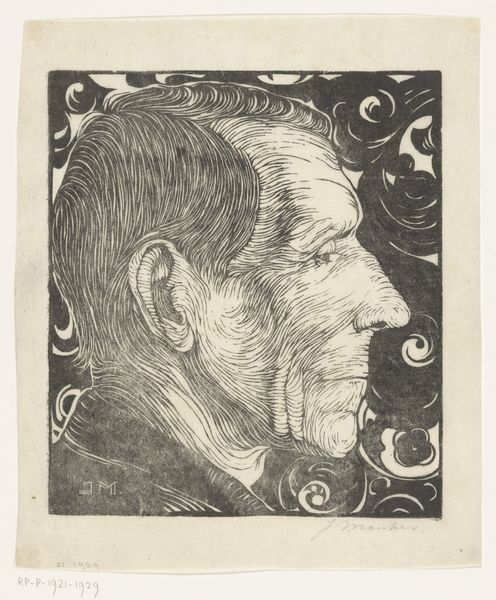
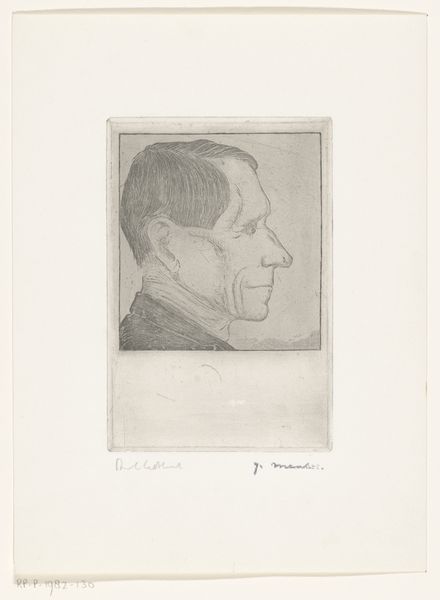
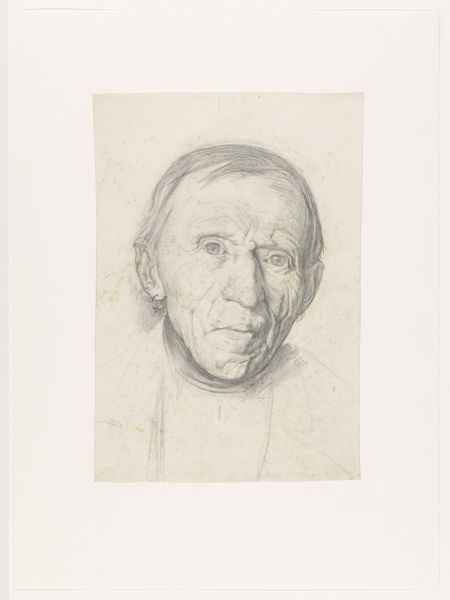
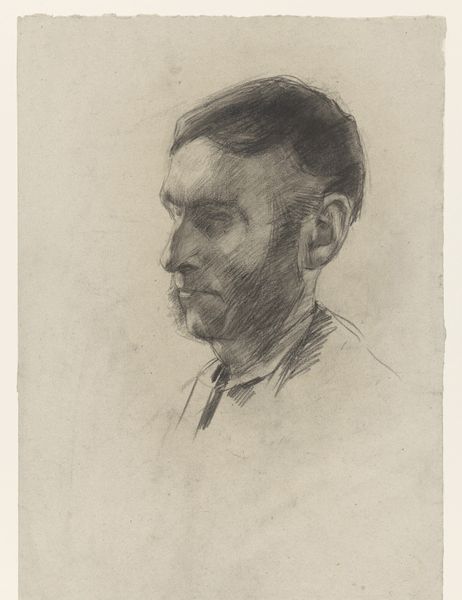
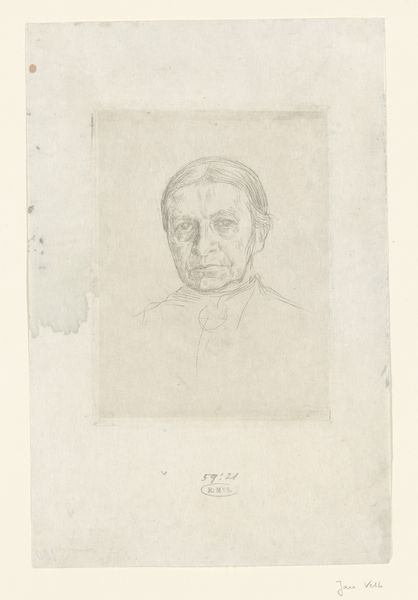
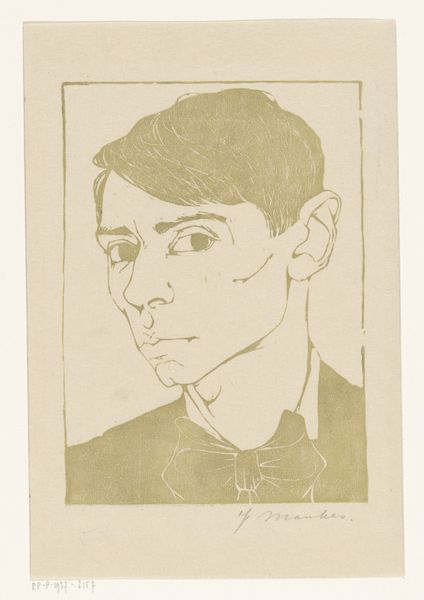
Portret van Beint Mankes I

Listen to curator's interpretation
Curatorial notes
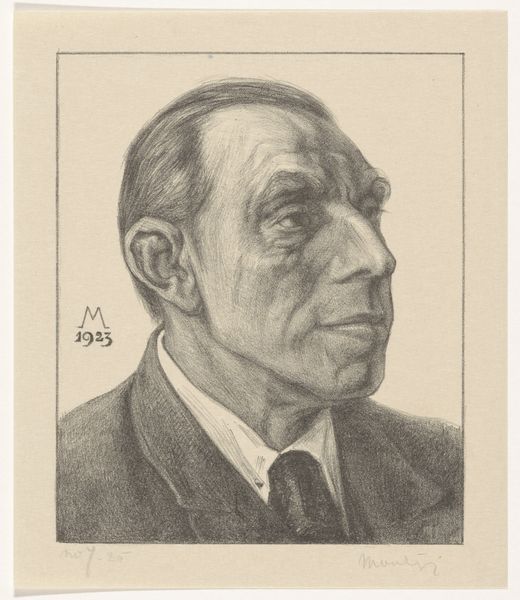
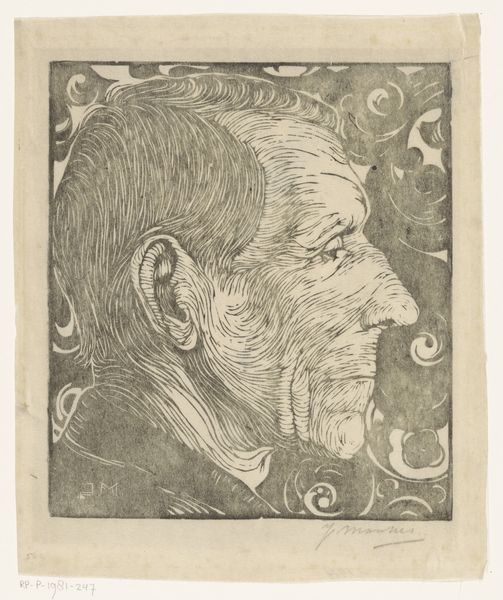
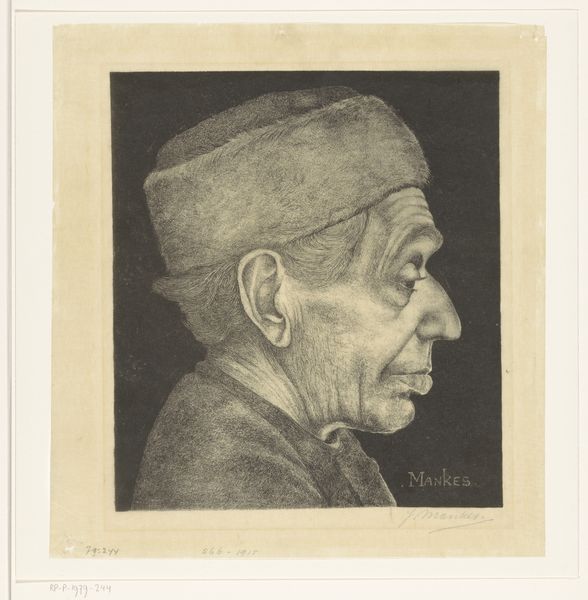
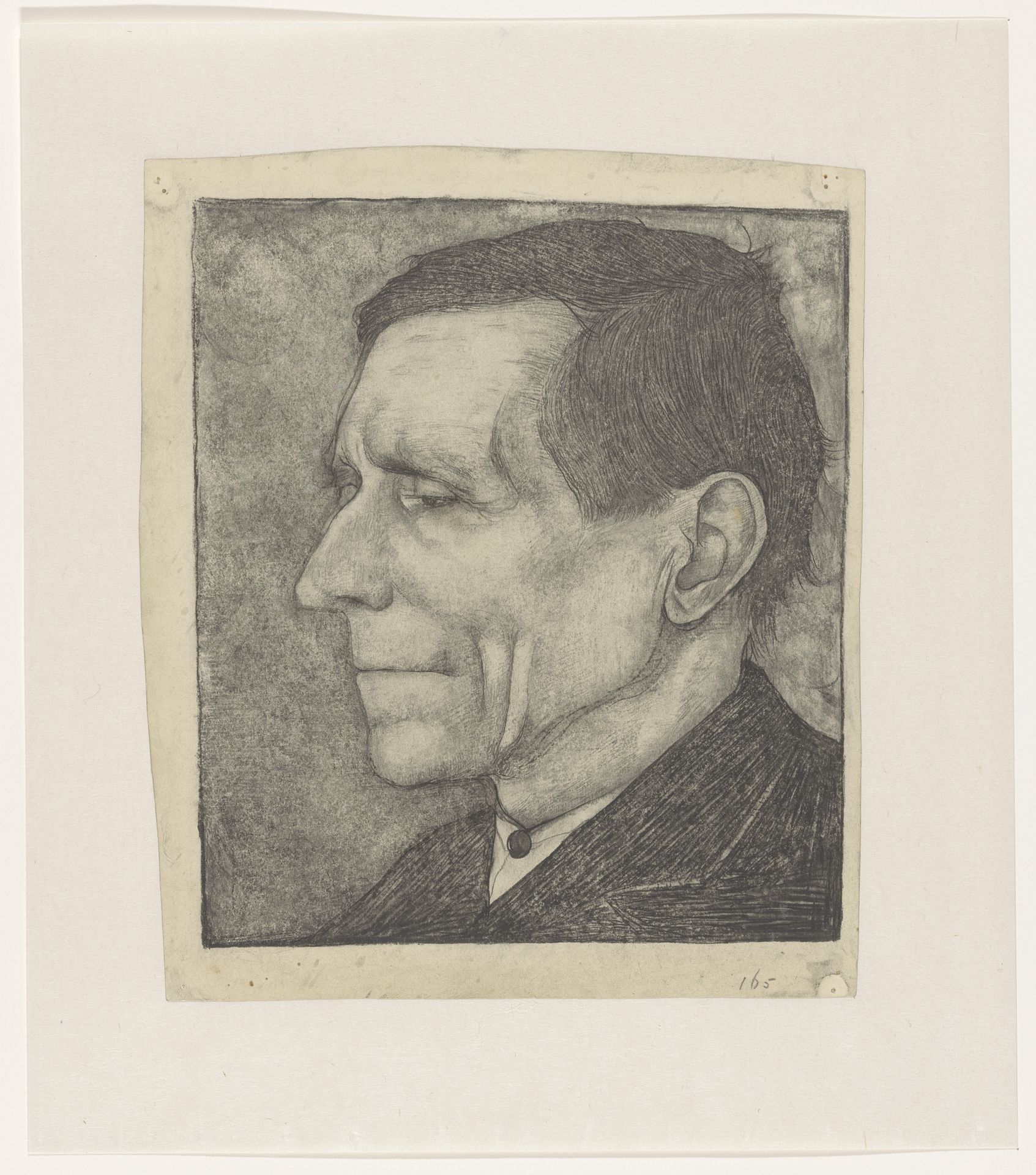
Jan Mankes created this portrait of Beint Mankes in the Netherlands, likely sometime in the early 20th century, using a technique that looks like etching or engraving. Mankes’s work often reflects the social and cultural context of the Netherlands during a period of significant change. He came from a deeply religious background, which influenced his quiet, introspective style. You can almost feel a certain austerity, a lack of ostentation that resonates with the Protestant values prevalent in Dutch society. The careful details and monochromatic palette suggest a reverence for simplicity, a common theme among artists reacting to the industrialization and social upheaval of the time. To understand Mankes better, one might delve into the art criticism and social commentary of his era, examining how artists negotiated personal expression with the prevailing social norms. This approach highlights how artistic meaning is always entangled with broader cultural and institutional frameworks.