About this artwork
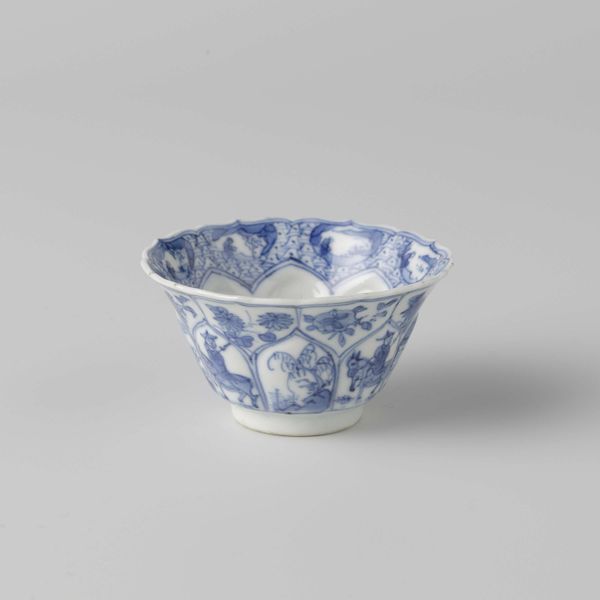
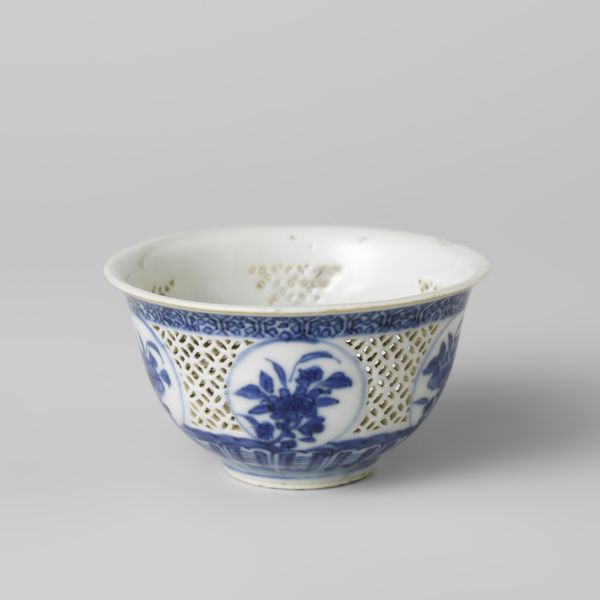
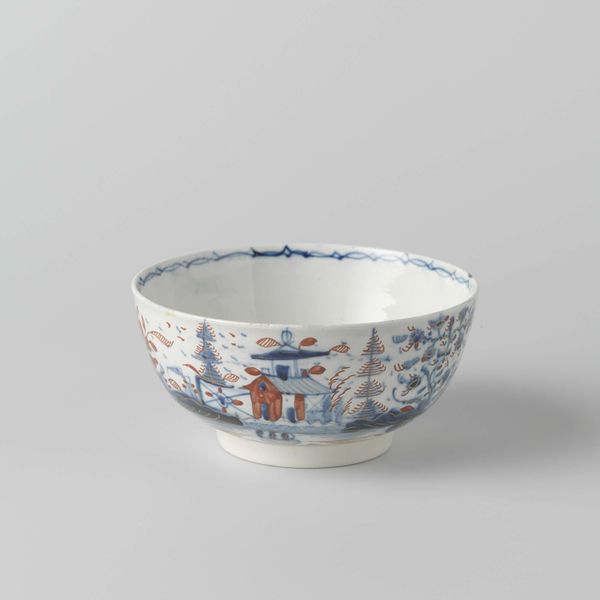
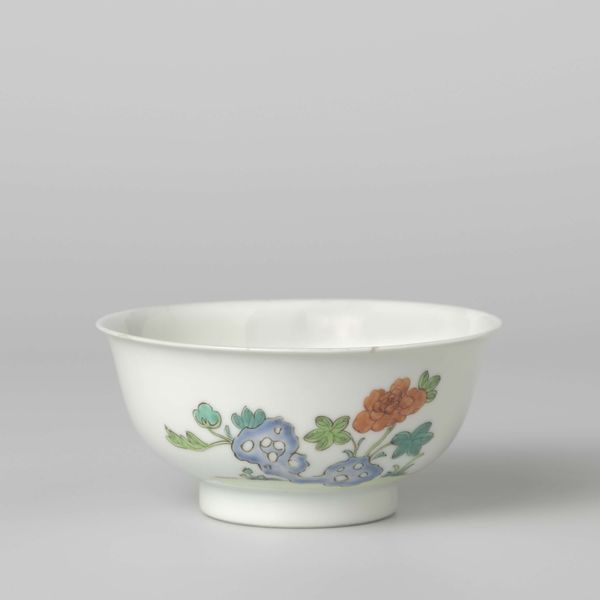
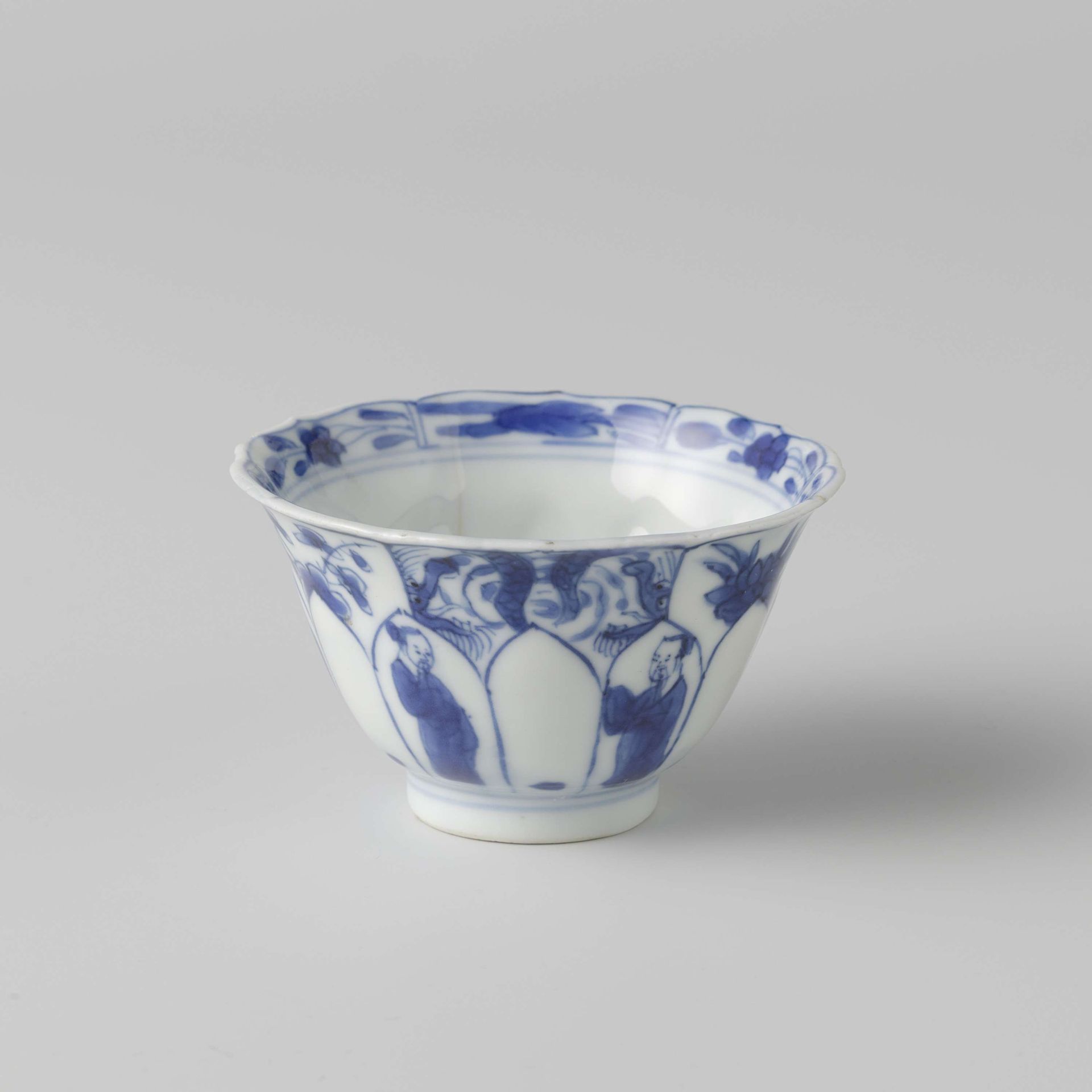
This bell-shaped cup, adorned with Chinese figures, dragons, and floral patterns, embodies a fascinating interplay of symbols. Dragons, traditionally emblems of power, wisdom, and prosperity in Chinese culture, are juxtaposed with serene human figures and delicate flower sprays. These visual elements are not static, but part of a larger, ever-evolving symbolic language. Consider how the dragon, revered in the East, contrasts with its often malevolent portrayal in Western medieval art. Yet, both tap into a primal human fascination with the potent, untamable forces of nature. The cup itself, a vessel for nourishment, becomes a canvas for cultural exchange and transformation. It reminds us that symbols are not fixed, but fluid, constantly adapting and acquiring new layers of meaning across time and space, engaging our collective memory.
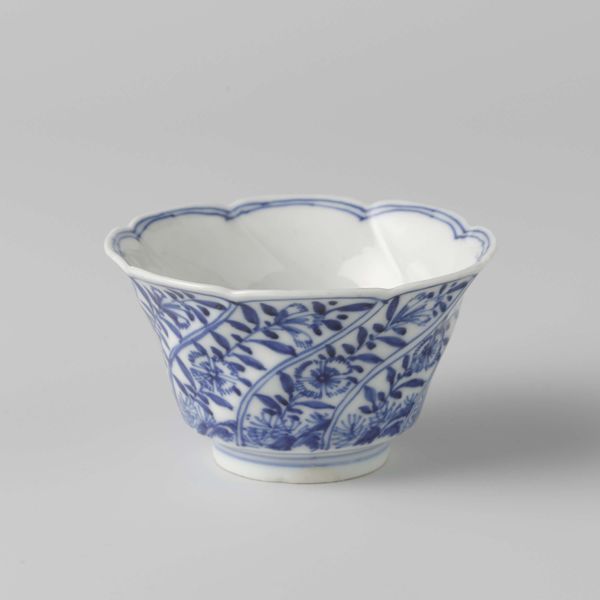
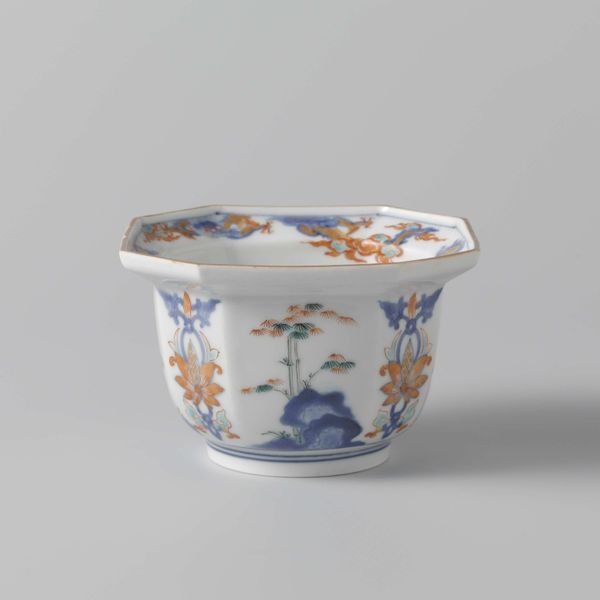
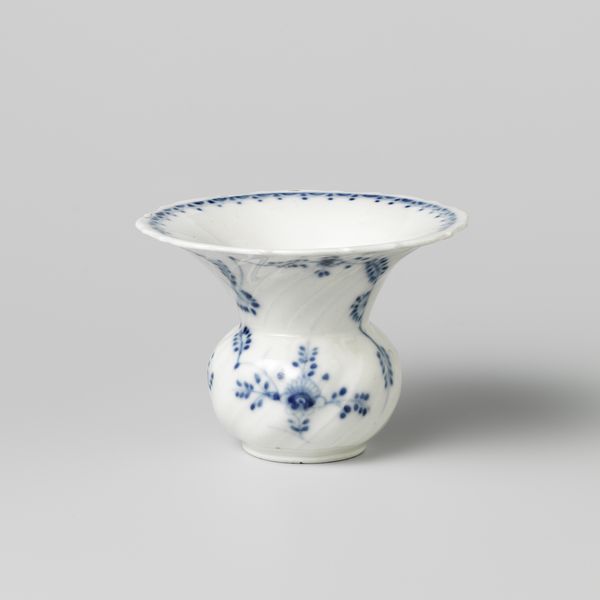
Bell-shaped cup with Chinese figures, dragons and flower sprays and the bottom moulded in the shape of flower petals c. 1680 - 1720

Anonymous
@anonymousLocation
RijksmuseumArtwork details
- Medium
- ceramic, porcelain
- Dimensions
- height 4 cm, diameter 6.8 cm, diameter 2.7 cm
- Location
- Rijksmuseum
- Copyright
- Rijks Museum: Open Domain
Tags
asian-art
ceramic
porcelain
figuration
Comments
No comments
About this artwork
This bell-shaped cup, adorned with Chinese figures, dragons, and floral patterns, embodies a fascinating interplay of symbols. Dragons, traditionally emblems of power, wisdom, and prosperity in Chinese culture, are juxtaposed with serene human figures and delicate flower sprays. These visual elements are not static, but part of a larger, ever-evolving symbolic language. Consider how the dragon, revered in the East, contrasts with its often malevolent portrayal in Western medieval art. Yet, both tap into a primal human fascination with the potent, untamable forces of nature. The cup itself, a vessel for nourishment, becomes a canvas for cultural exchange and transformation. It reminds us that symbols are not fixed, but fluid, constantly adapting and acquiring new layers of meaning across time and space, engaging our collective memory.
Comments
No comments