About this artwork
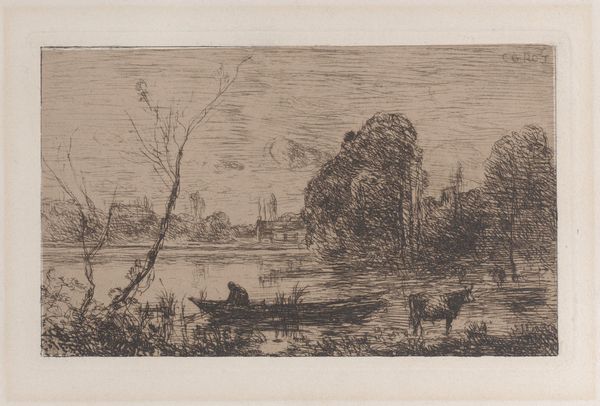
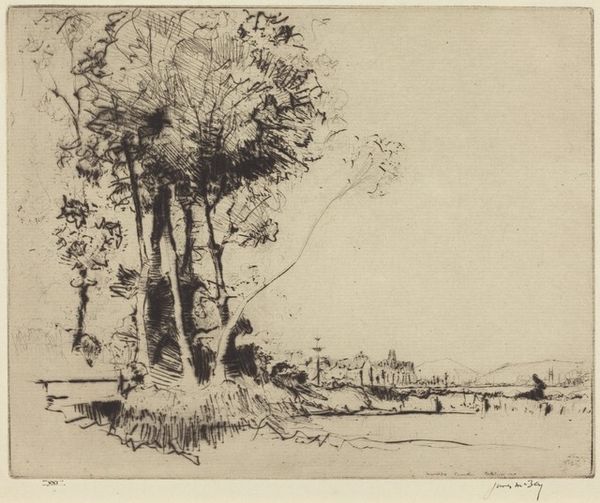
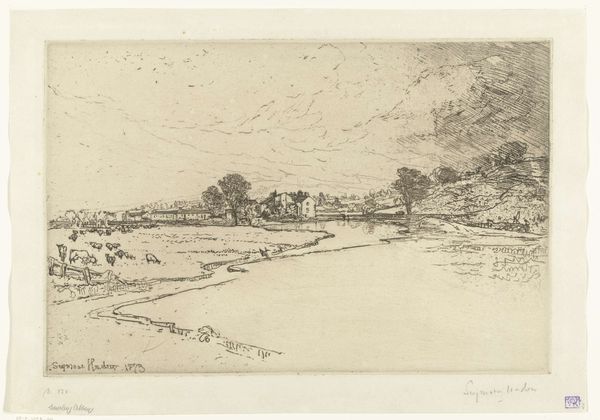
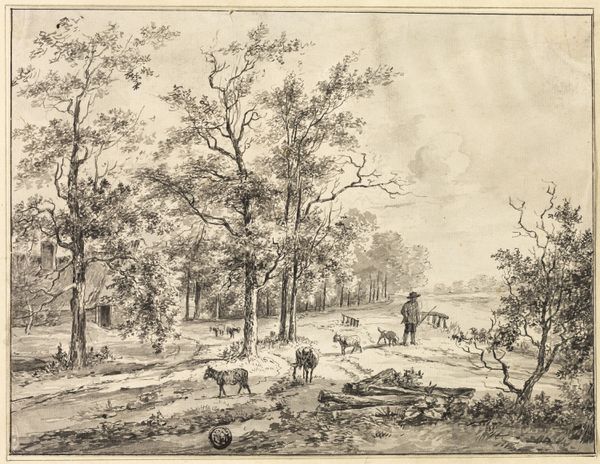
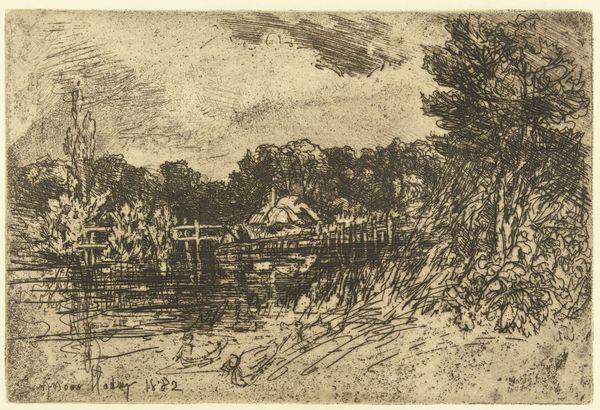
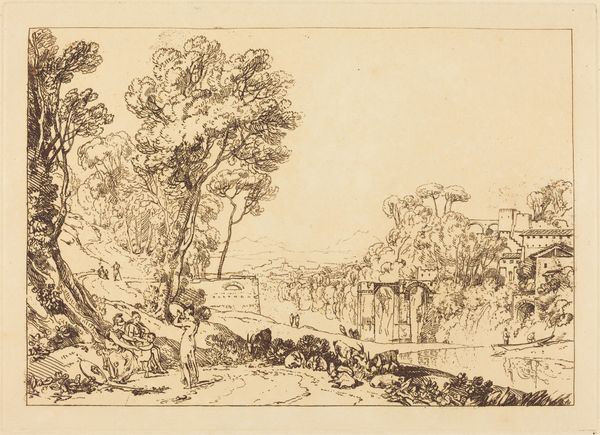
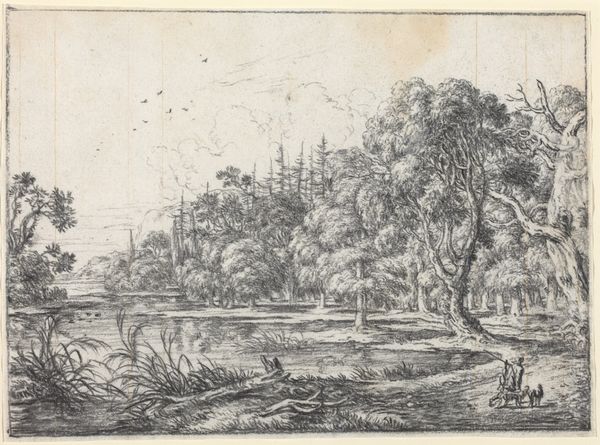
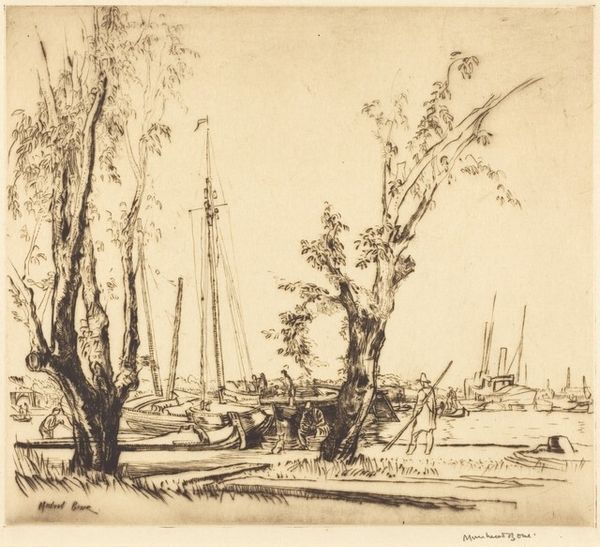
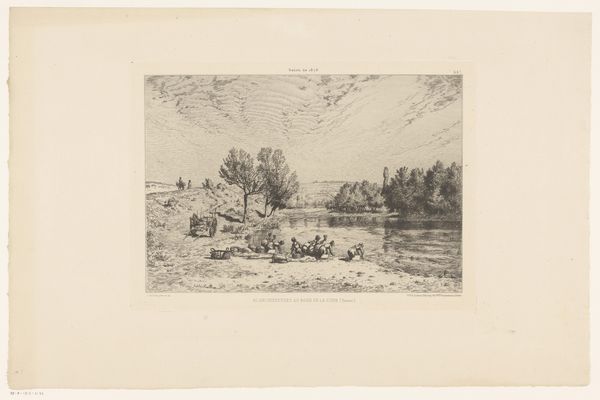
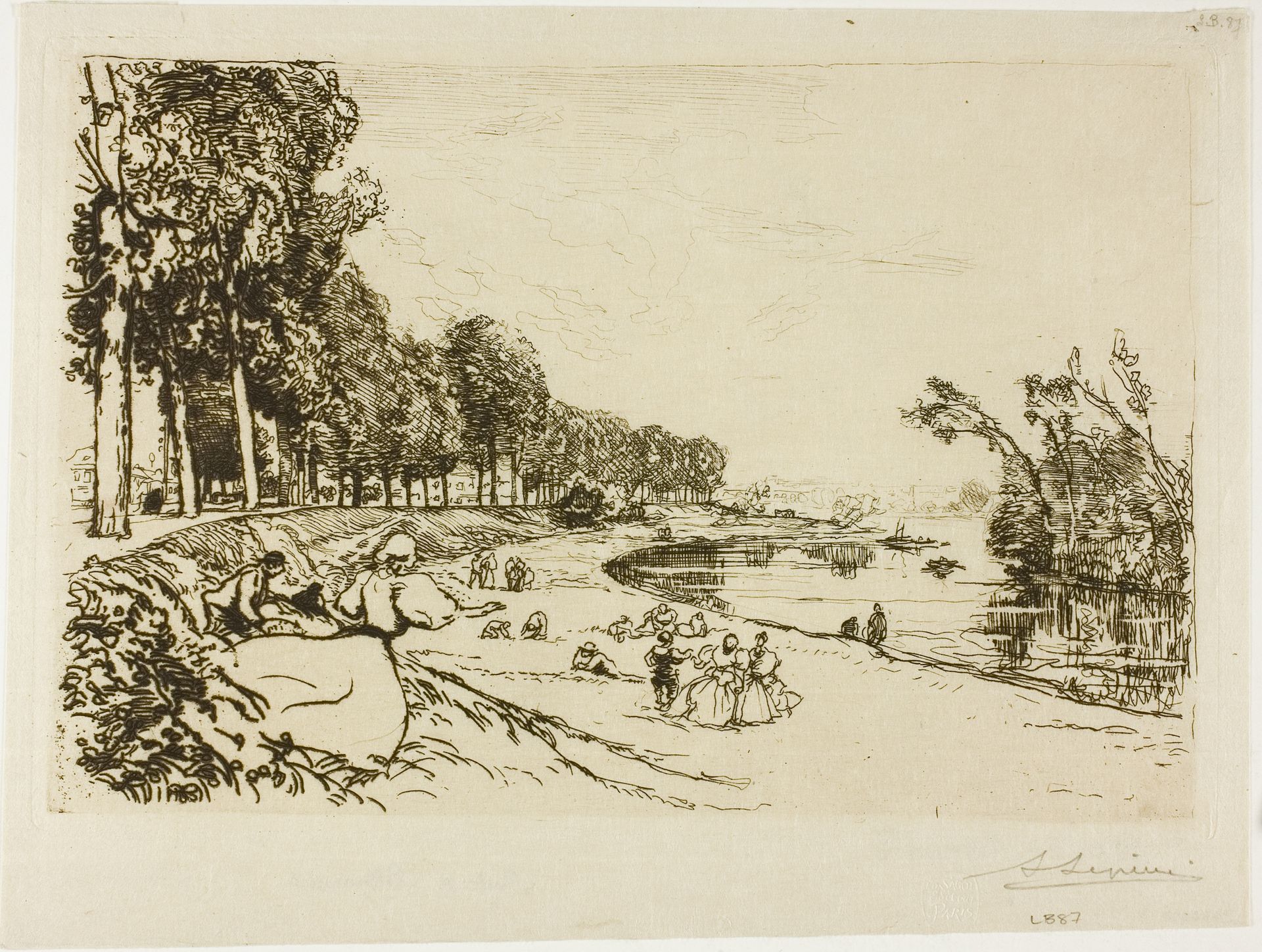
Auguste-Louis Lepère created this etching called The Way to Billancourt, likely in France, in 1887. It shows a scene by the river, with a mix of people relaxing and working. Lepère was part of a movement interested in the lives of ordinary people, at a time when French society was rapidly changing due to industrialization. The image creates meaning by showing a specific location. Billancourt was becoming known for its factories. By placing figures from different social classes together in one frame, Lepère hints at the changing social landscape of the time. Are these people relaxing on their day off, or workers pausing to rest? To understand this work more fully, we could research the history of Billancourt and the rise of industrial labor. Art becomes more meaningful when we understand the social and institutional conditions in which it was made.
The Way to Billancourt
1894


Artwork details
- Dimensions
- 168 × 253 mm (image); 178 × 263 mm (plate); 210 × 276 mm (sheet)
- Location
- The Art Institute of Chicago
- Copyright
- Public Domain
Comments
Share your thoughts
About this artwork
Auguste-Louis Lepère created this etching called The Way to Billancourt, likely in France, in 1887. It shows a scene by the river, with a mix of people relaxing and working. Lepère was part of a movement interested in the lives of ordinary people, at a time when French society was rapidly changing due to industrialization. The image creates meaning by showing a specific location. Billancourt was becoming known for its factories. By placing figures from different social classes together in one frame, Lepère hints at the changing social landscape of the time. Are these people relaxing on their day off, or workers pausing to rest? To understand this work more fully, we could research the history of Billancourt and the rise of industrial labor. Art becomes more meaningful when we understand the social and institutional conditions in which it was made.
Comments
Share your thoughts