About this artwork
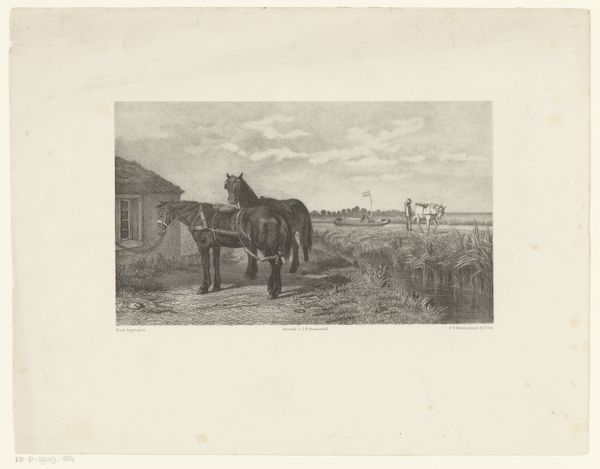
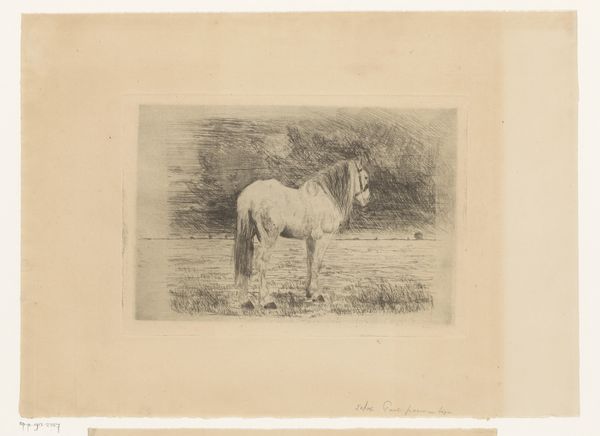
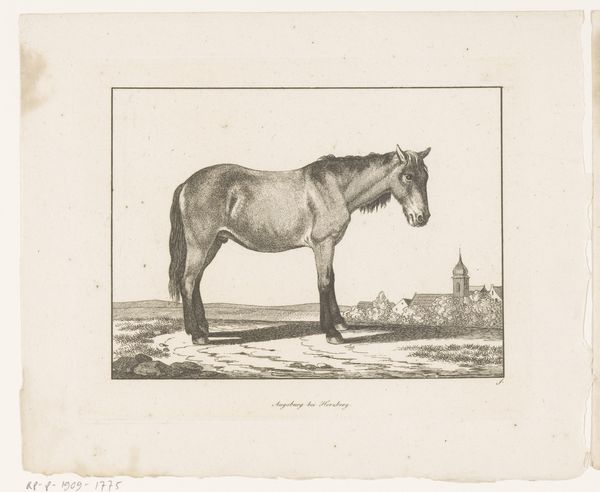
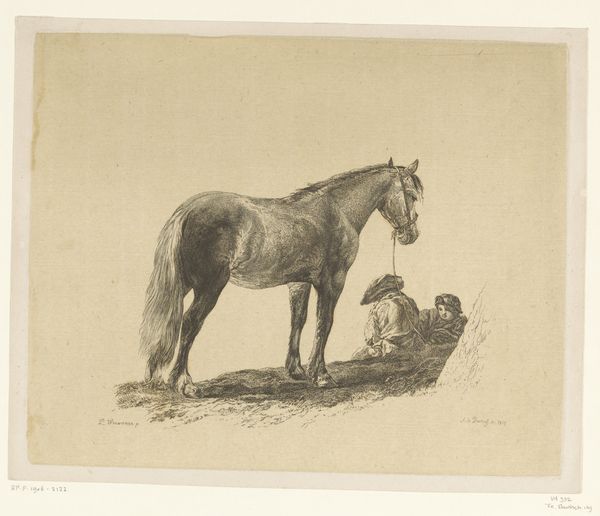
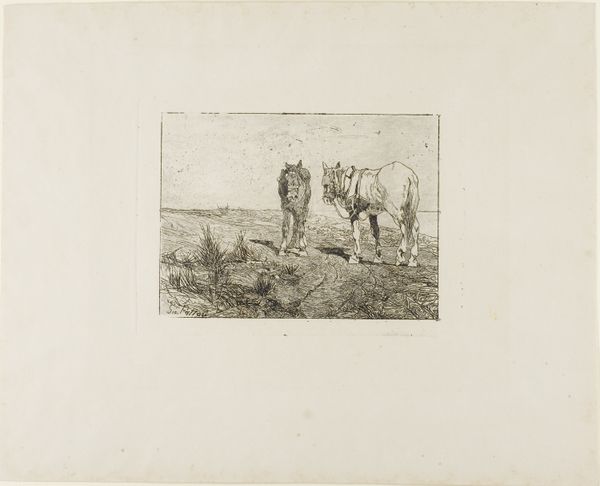
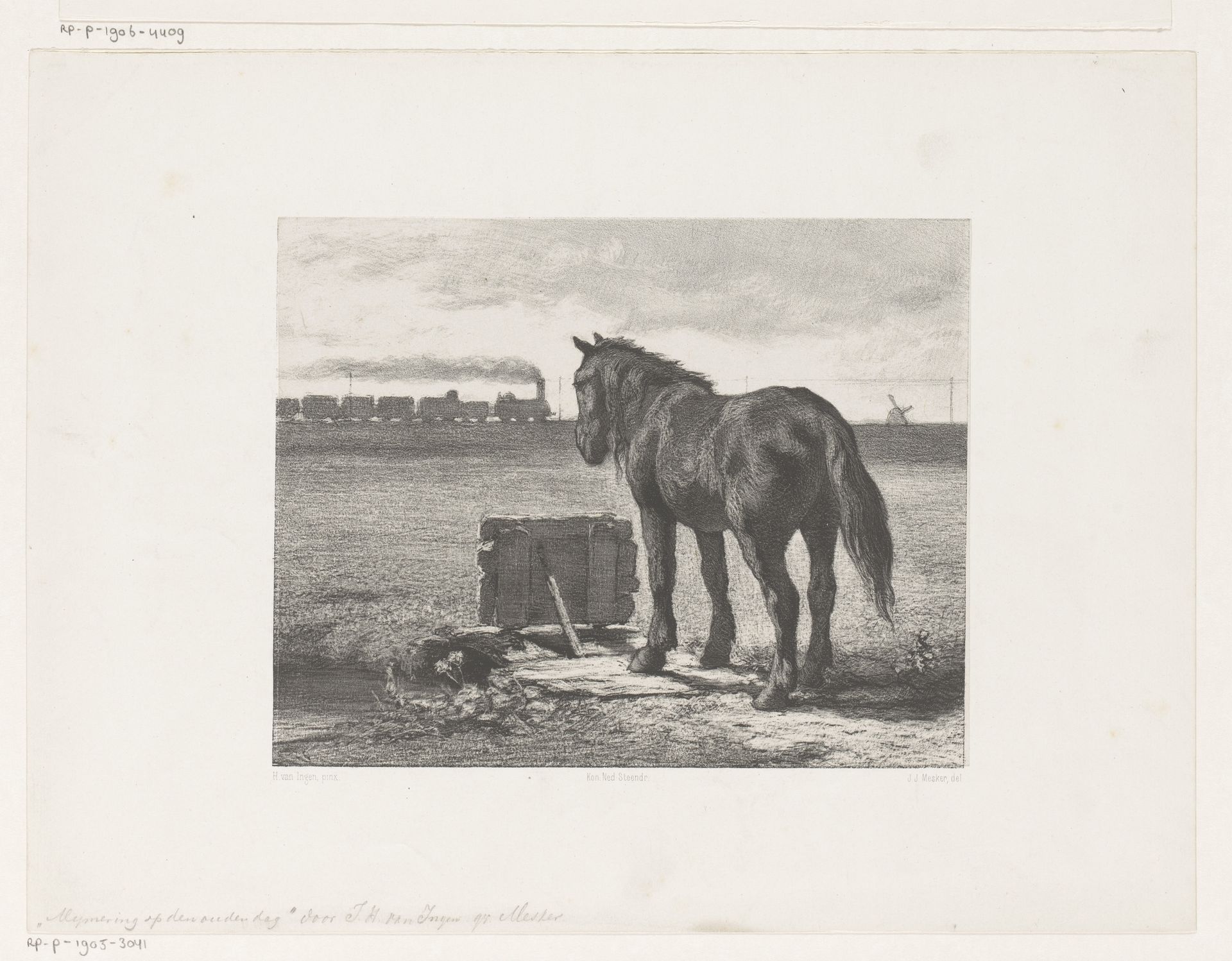
Jan Mesker made this print of a horse in a meadow with a steam train on the horizon. The image encapsulates the changing world of the Netherlands in the late 19th century. The horse, a traditional symbol of rural life and agricultural labor, stands in the foreground. Yet, in the distance, we see the unmistakable form of a steam train, a symbol of industrial progress and technological advancement. The inclusion of a windmill on the horizon further emphasizes this contrast between old and new. Made during a time of rapid industrialization and urbanization, this print could be seen as a comment on the disruption of traditional ways of life. Was Mesker celebrating progress, or lamenting a loss? To understand this further, we might turn to agricultural records, economic surveys, and other historical documents. Only then we can start to understand how cultural change shapes artistic production and meaning.
Paard in weiland met stoomtrein aan de horizon
1867 - 1874

Jan Mesker
1843 - 1890Location
RijksmuseumArtwork details
- Medium
- Dimensions
- height 265 mm, width 352 mm
- Location
- Rijksmuseum
- Copyright
- Rijks Museum: Open Domain
Tags
Comments
Share your thoughts
About this artwork
Jan Mesker made this print of a horse in a meadow with a steam train on the horizon. The image encapsulates the changing world of the Netherlands in the late 19th century. The horse, a traditional symbol of rural life and agricultural labor, stands in the foreground. Yet, in the distance, we see the unmistakable form of a steam train, a symbol of industrial progress and technological advancement. The inclusion of a windmill on the horizon further emphasizes this contrast between old and new. Made during a time of rapid industrialization and urbanization, this print could be seen as a comment on the disruption of traditional ways of life. Was Mesker celebrating progress, or lamenting a loss? To understand this further, we might turn to agricultural records, economic surveys, and other historical documents. Only then we can start to understand how cultural change shapes artistic production and meaning.
Comments
Share your thoughts