About this artwork
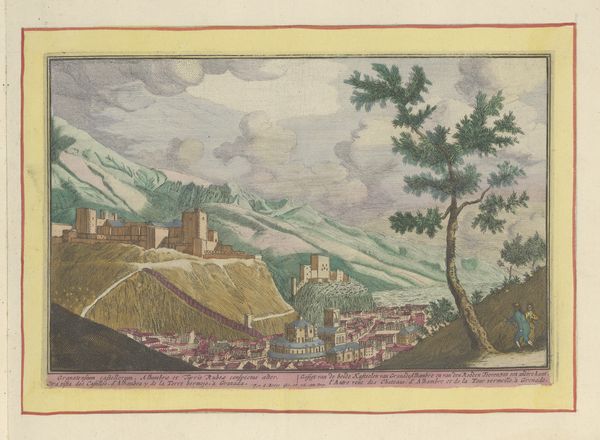
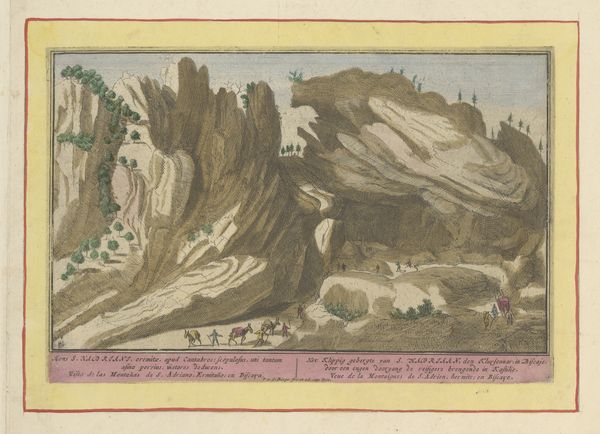
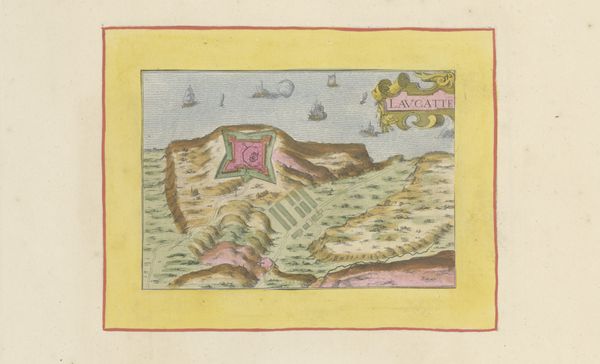
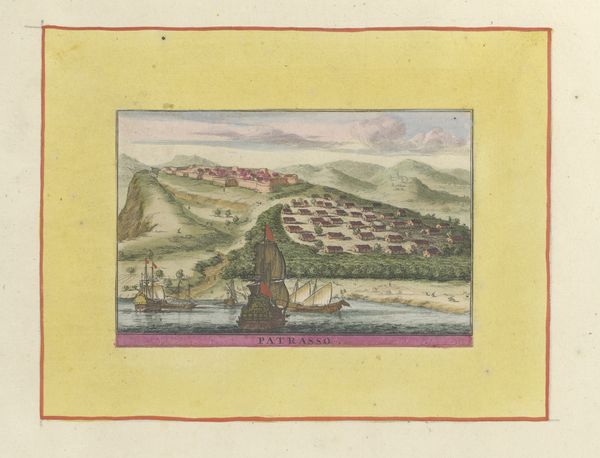
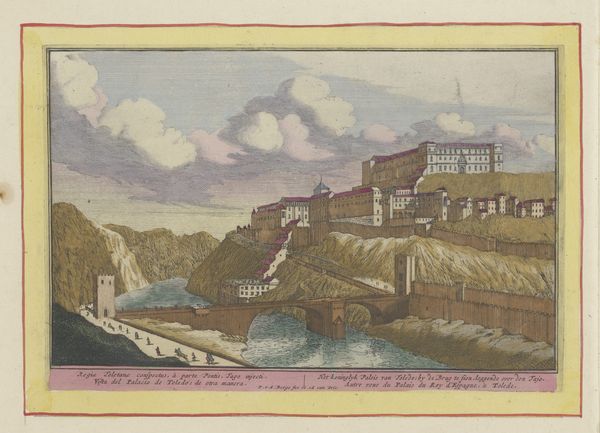
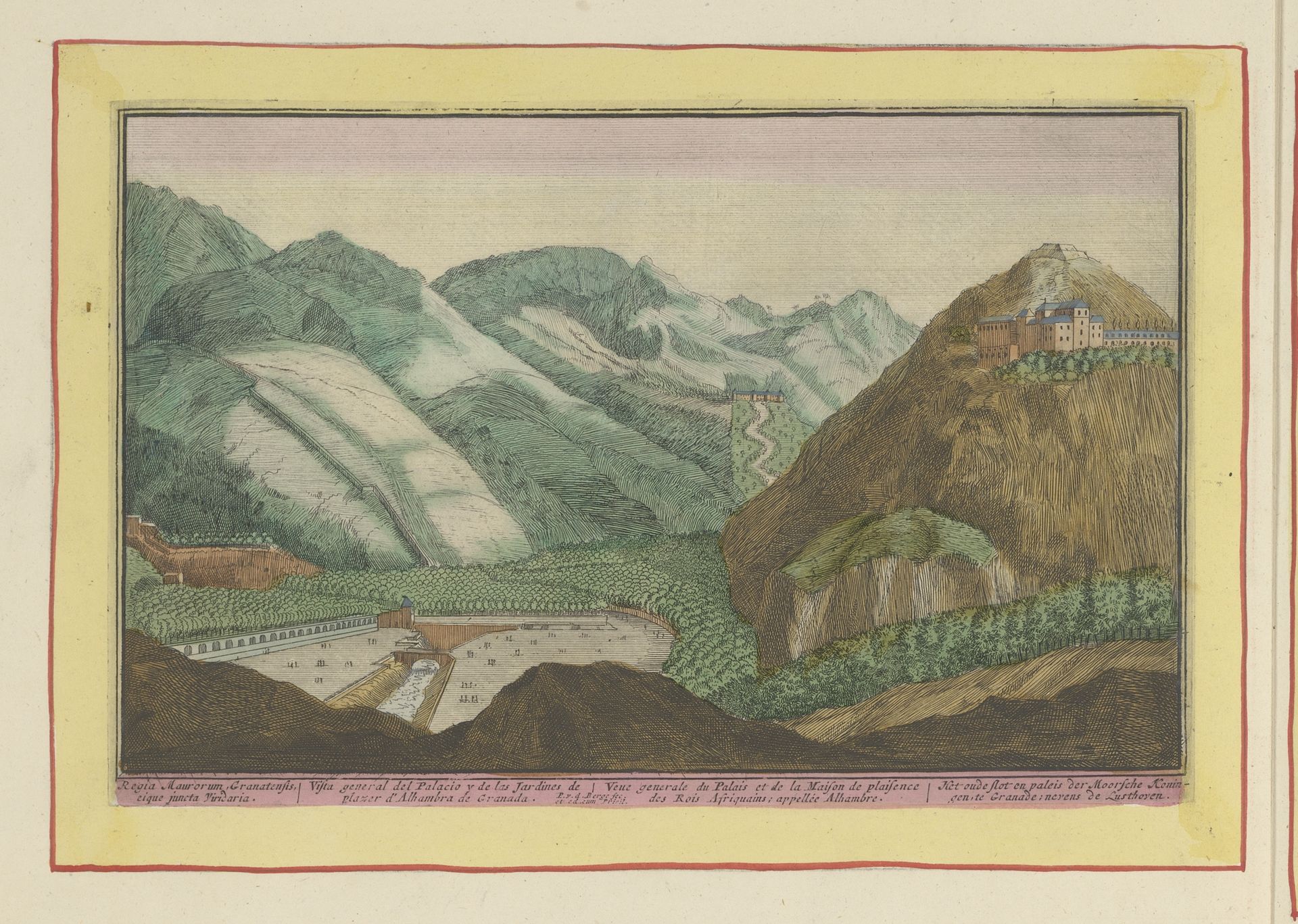
Pieter van den Berge created this print of the palace and gardens of the Moorish kings in Granada. The interplay between precise lines and gentle colors evokes a serene yet commanding landscape. Notice how Berge uses linear perspective to guide the viewer's eye from the detailed foreground to the distant, softly rendered mountains. The gardens are depicted with careful attention, contrasting with the rugged, almost geometric representation of the mountains. This contrast sets up a semiotic relationship; the man-made gardens symbolize order, while the mountains represent untamed nature. Berge's decision to combine topographical accuracy with artistic license reflects a broader cultural interest in landscape as both a physical reality and a symbolic space. The scene challenges fixed meanings and categories, asking us to consider the interplay between nature and culture, order and wilderness. This tension is not just aesthetically pleasing but also invites a larger contemplation of humanity's place within the natural world.
Gezicht op het paleis en de tuinen van de Moorse koningen te Granada
1694 - 1737

Pieter van den Berge
1659 - 1737Location
RijksmuseumArtwork details
- Medium
- drawing, print, etching, paper, watercolor
- Dimensions
- height 164 mm, width 253 mm
- Location
- Rijksmuseum
- Copyright
- Rijks Museum: Open Domain
Tags
Comments
Share your thoughts
About this artwork
Pieter van den Berge created this print of the palace and gardens of the Moorish kings in Granada. The interplay between precise lines and gentle colors evokes a serene yet commanding landscape. Notice how Berge uses linear perspective to guide the viewer's eye from the detailed foreground to the distant, softly rendered mountains. The gardens are depicted with careful attention, contrasting with the rugged, almost geometric representation of the mountains. This contrast sets up a semiotic relationship; the man-made gardens symbolize order, while the mountains represent untamed nature. Berge's decision to combine topographical accuracy with artistic license reflects a broader cultural interest in landscape as both a physical reality and a symbolic space. The scene challenges fixed meanings and categories, asking us to consider the interplay between nature and culture, order and wilderness. This tension is not just aesthetically pleasing but also invites a larger contemplation of humanity's place within the natural world.
Comments
Share your thoughts