About this artwork
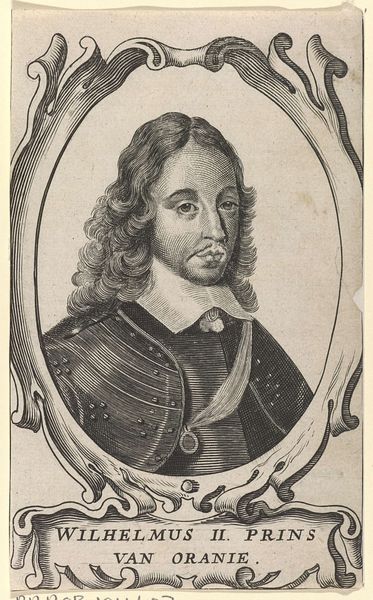
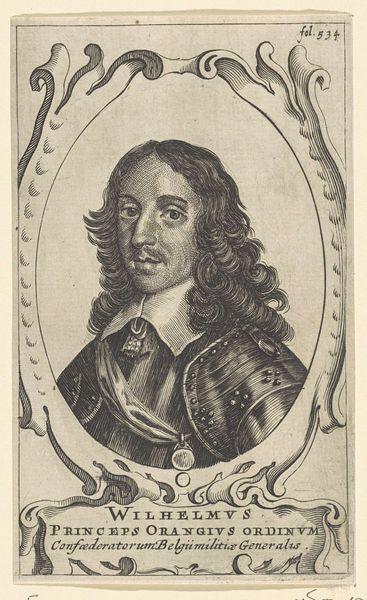
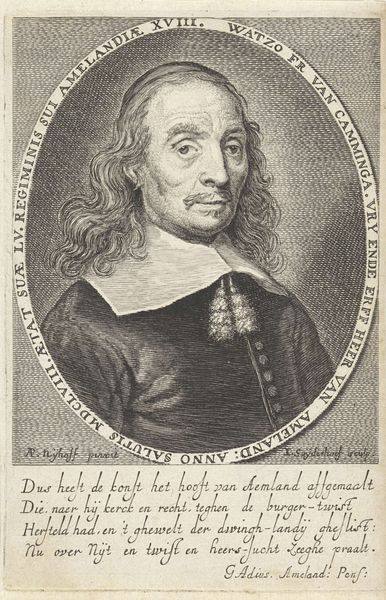
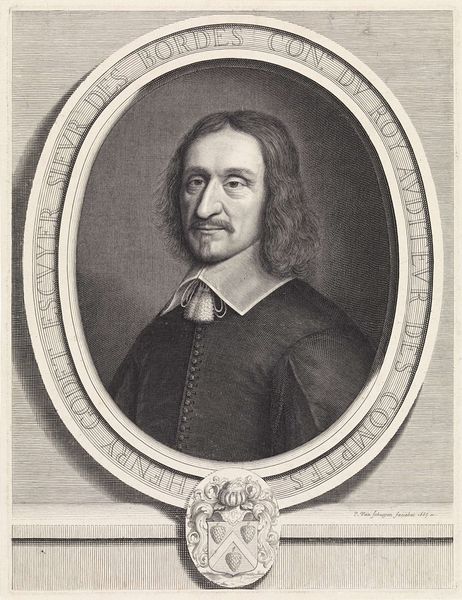
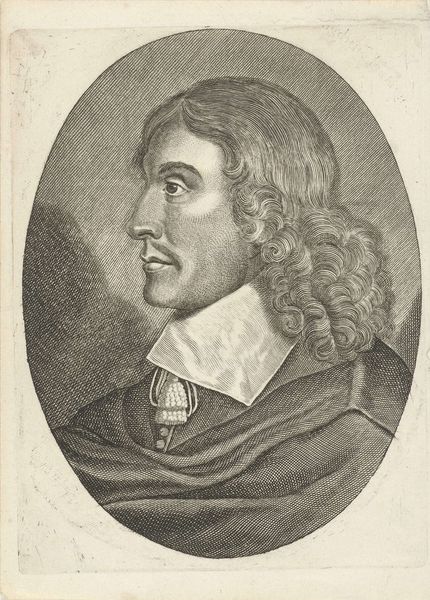
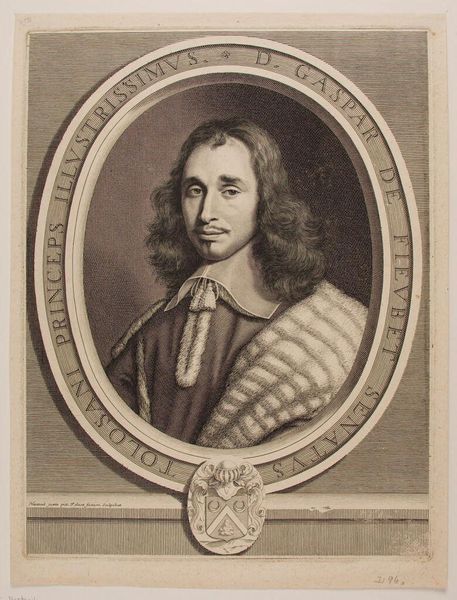
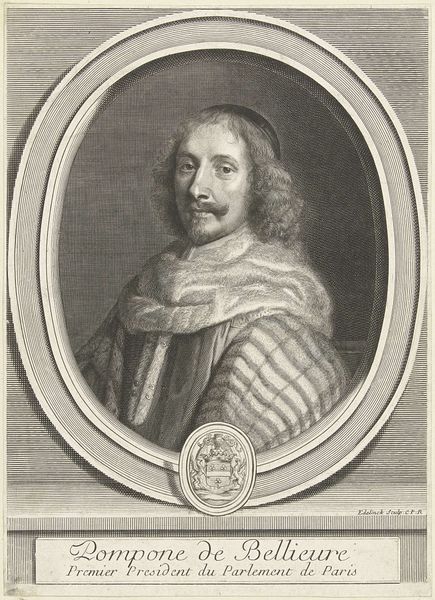
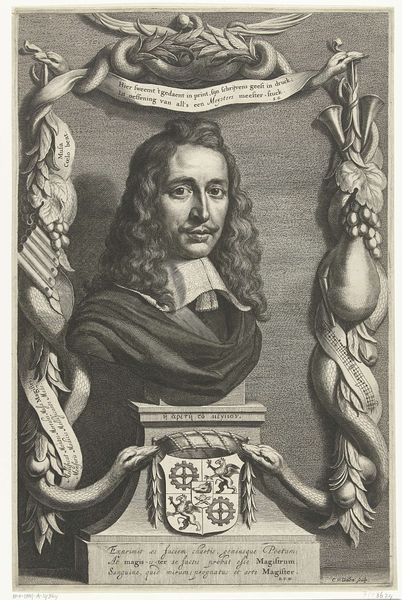
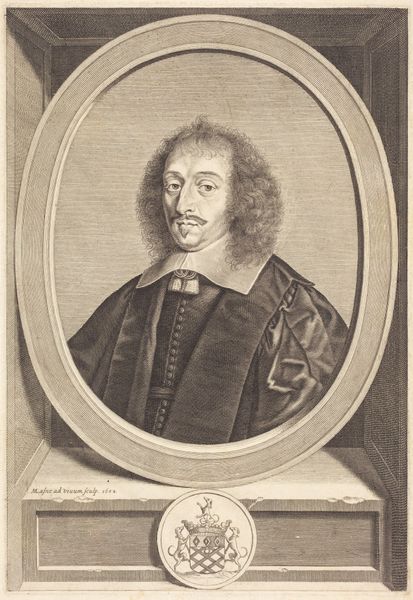
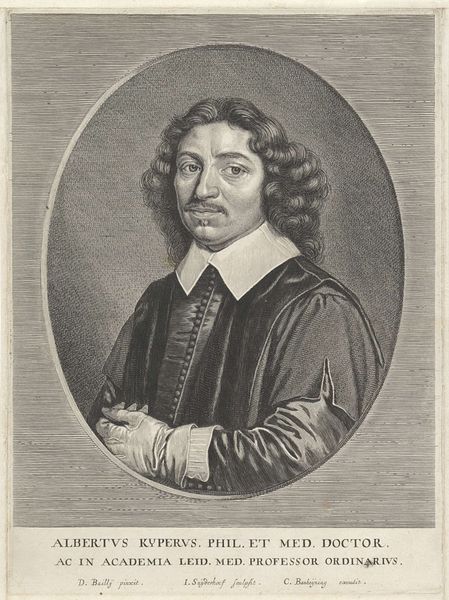
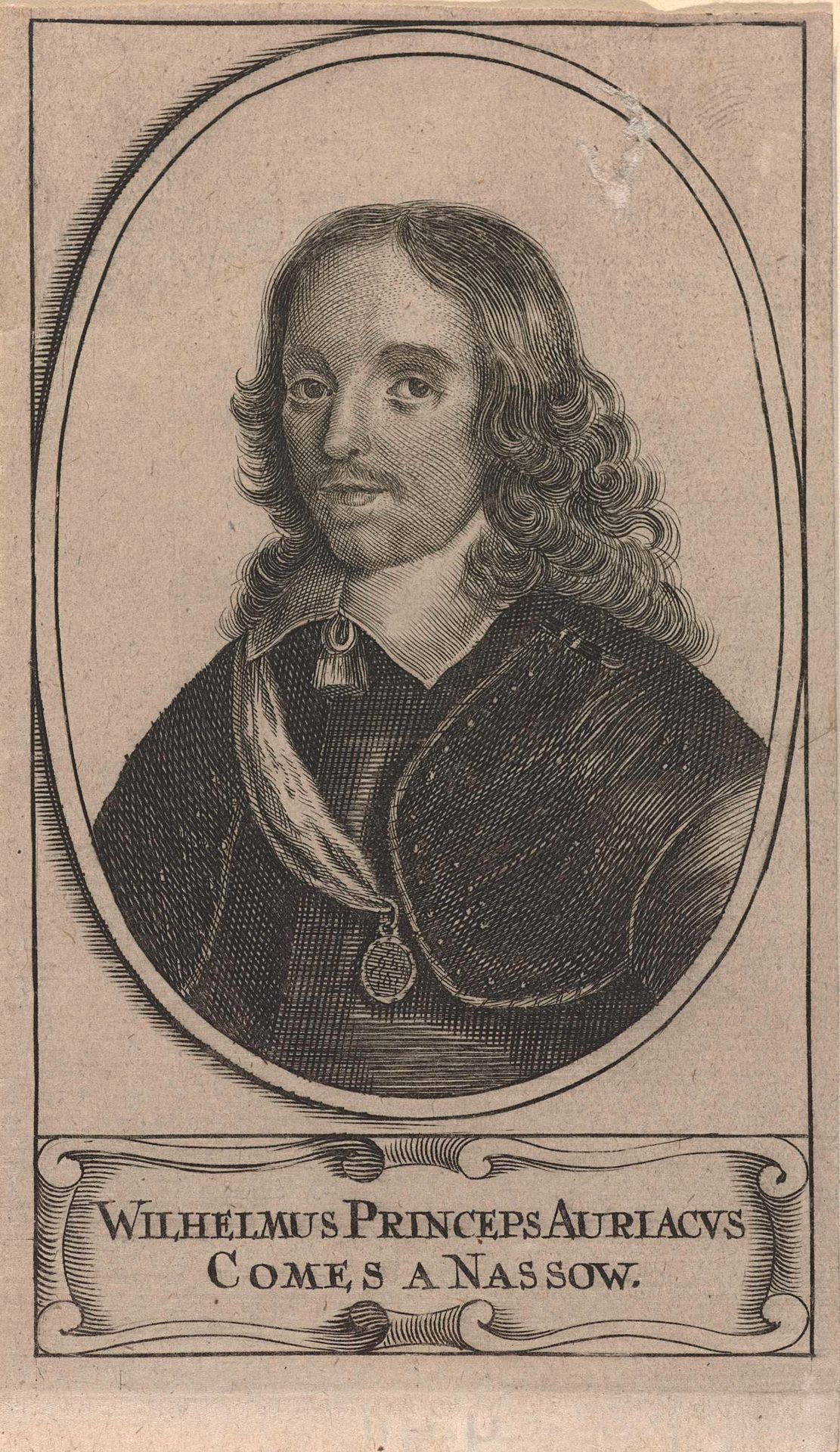
This portrait of Willem II, Prince of Orange, was made by an anonymous artist as an engraving. Engravings like this one proliferated in the Dutch Golden Age, a period defined by the rise of a wealthy merchant class and a burgeoning print culture. As the Dutch Republic emerged from Spanish rule, these images played a crucial role in shaping national identity and solidifying the power of the House of Orange. Notice the Latin inscription, a nod to classical antiquity intended to bolster Willem’s status. The formal presentation and symbolic details, like his armor and medallion, speak to the enduring importance of aristocratic portraiture for preserving status and solidifying political power. To understand this image fully, we need to examine the economic structures that supported printmaking and the social networks that circulated these images, alongside the political context in which it was created. By consulting period documents and studying the history of Dutch printmaking, we can better understand its complex social and political meanings.

Artwork details
- Medium
- engraving
- Dimensions
- height 120 mm, width 71 mm
- Location
- Rijksmuseum
- Copyright
- Rijks Museum: Open Domain
Tags
portrait
baroque
old engraving style
pencil drawing
history-painting
engraving
Comments
No comments
About this artwork
This portrait of Willem II, Prince of Orange, was made by an anonymous artist as an engraving. Engravings like this one proliferated in the Dutch Golden Age, a period defined by the rise of a wealthy merchant class and a burgeoning print culture. As the Dutch Republic emerged from Spanish rule, these images played a crucial role in shaping national identity and solidifying the power of the House of Orange. Notice the Latin inscription, a nod to classical antiquity intended to bolster Willem’s status. The formal presentation and symbolic details, like his armor and medallion, speak to the enduring importance of aristocratic portraiture for preserving status and solidifying political power. To understand this image fully, we need to examine the economic structures that supported printmaking and the social networks that circulated these images, alongside the political context in which it was created. By consulting period documents and studying the history of Dutch printmaking, we can better understand its complex social and political meanings.
Comments
No comments