About this artwork
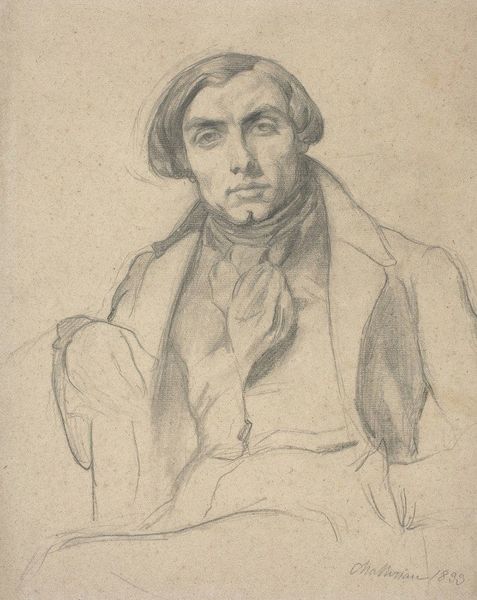
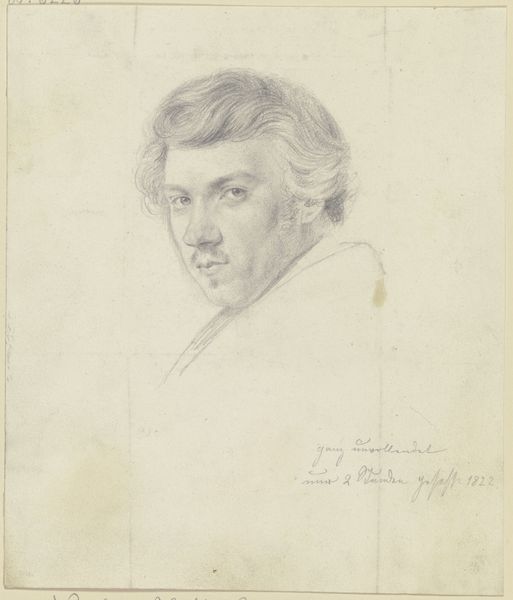
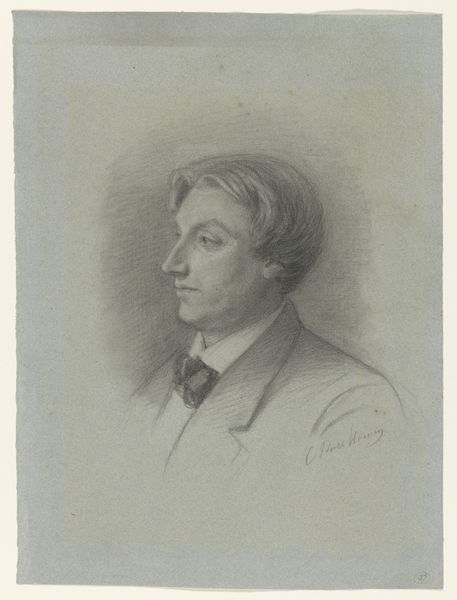
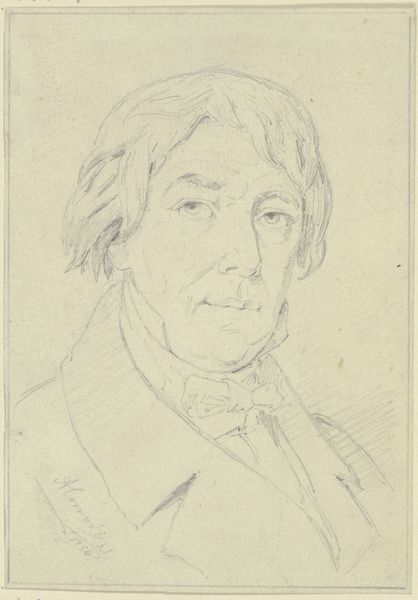
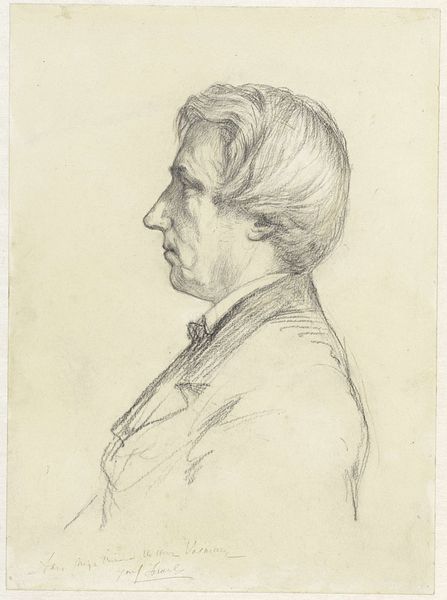
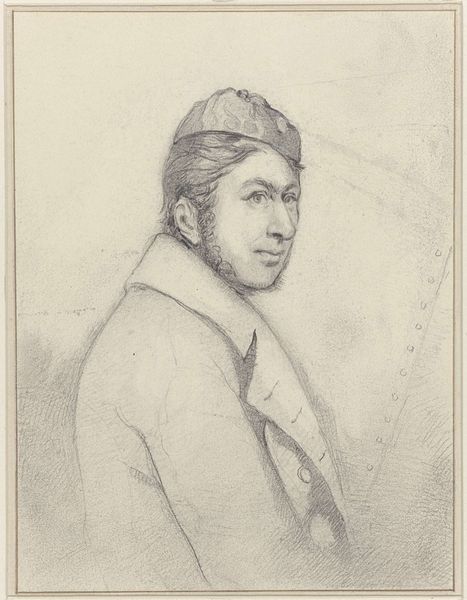
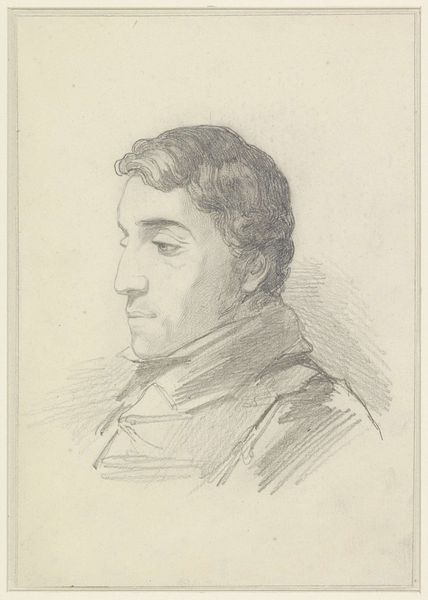
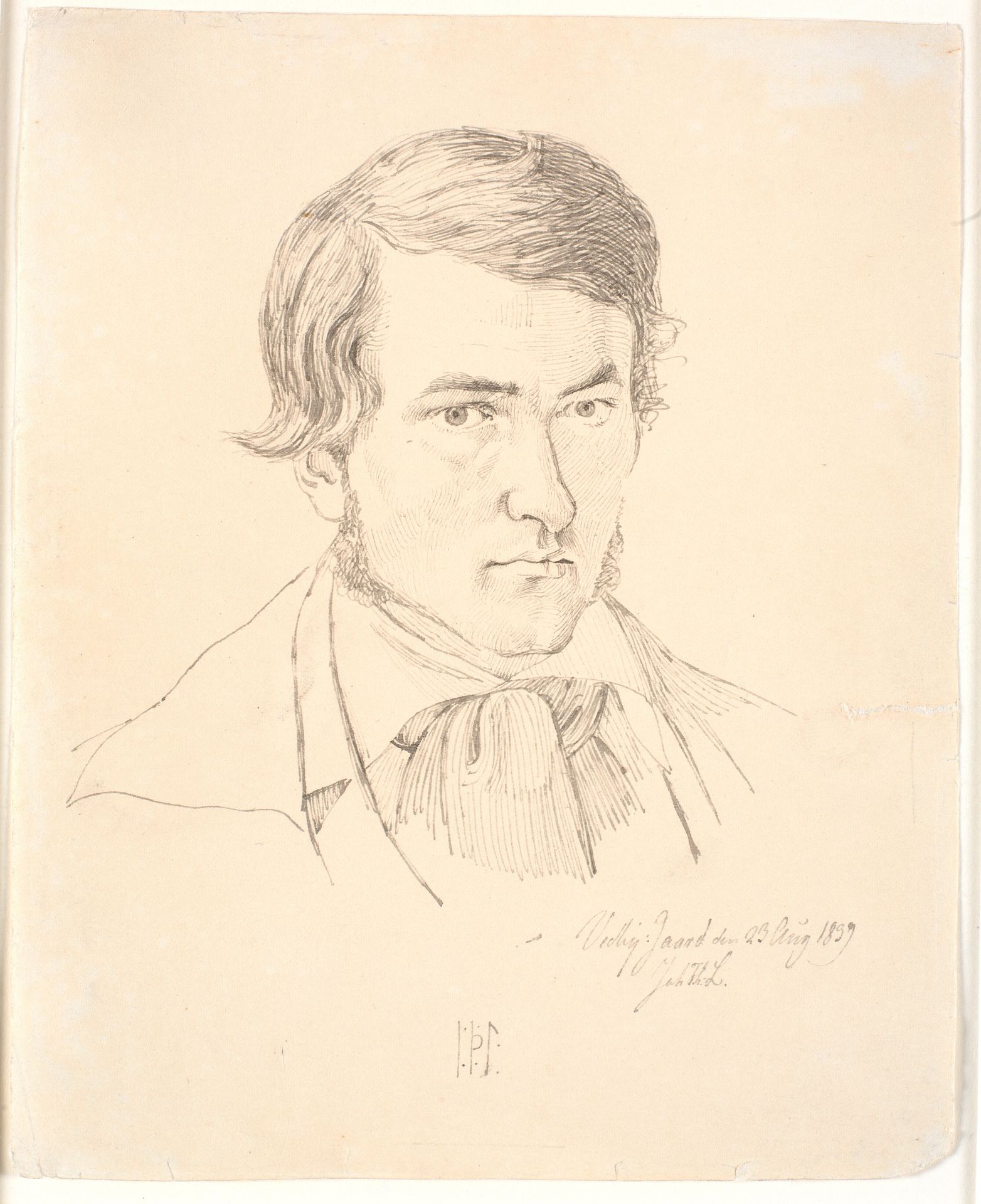
Johan Thomas Lundbye created this self-portrait in delicate strokes of pencil on paper. The artist's steady gaze meets ours, framed by a loosely knotted cravat. The cravat, seemingly simple, speaks volumes. Across centuries, the careful arrangement of neckwear has signaled status, taste, and allegiance. We see echoes of this in ancient Rome, where a similar cloth, the "sudarium," denoted rank. Then, in the elaborate ruffs of the Elizabethan era, and even today in the tailored ties of the modern businessman. Each knot, each fold, a marker in the ongoing performance of self. Here, Lundbye's choice feels deliberately casual, hinting at the Romantic era's shift towards individualism. Yet, the very act of portraiture, of capturing one’s likeness, reveals a deep, perhaps subconscious, desire to transcend mortality. The somber expression conveys a pensive mood, engaging viewers on a deeply intimate level. This symbol is a way to convey the cyclical progression of self-image, and how it has resurfaced, evolved, and taken on new meanings in different historical contexts.
Selvportræt
1839


Artwork details
- Medium
- drawing, pencil, graphite
- Dimensions
- 211 mm (height) x 170 mm (width) (bladmaal)
- Location
- SMK - Statens Museum for Kunst
Tags
Comments
Share your thoughts
About this artwork
Johan Thomas Lundbye created this self-portrait in delicate strokes of pencil on paper. The artist's steady gaze meets ours, framed by a loosely knotted cravat. The cravat, seemingly simple, speaks volumes. Across centuries, the careful arrangement of neckwear has signaled status, taste, and allegiance. We see echoes of this in ancient Rome, where a similar cloth, the "sudarium," denoted rank. Then, in the elaborate ruffs of the Elizabethan era, and even today in the tailored ties of the modern businessman. Each knot, each fold, a marker in the ongoing performance of self. Here, Lundbye's choice feels deliberately casual, hinting at the Romantic era's shift towards individualism. Yet, the very act of portraiture, of capturing one’s likeness, reveals a deep, perhaps subconscious, desire to transcend mortality. The somber expression conveys a pensive mood, engaging viewers on a deeply intimate level. This symbol is a way to convey the cyclical progression of self-image, and how it has resurfaced, evolved, and taken on new meanings in different historical contexts.
Comments
Share your thoughts