About this artwork
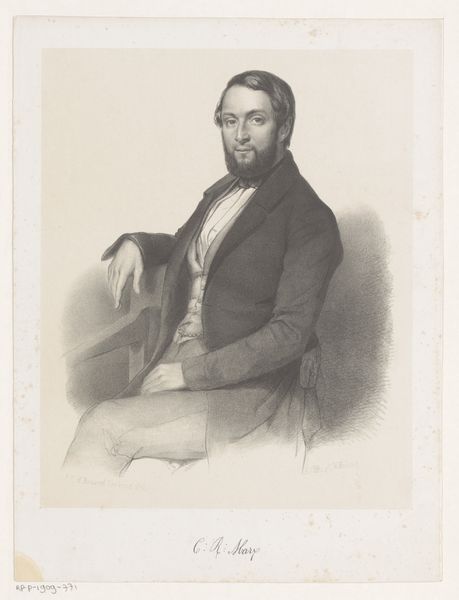
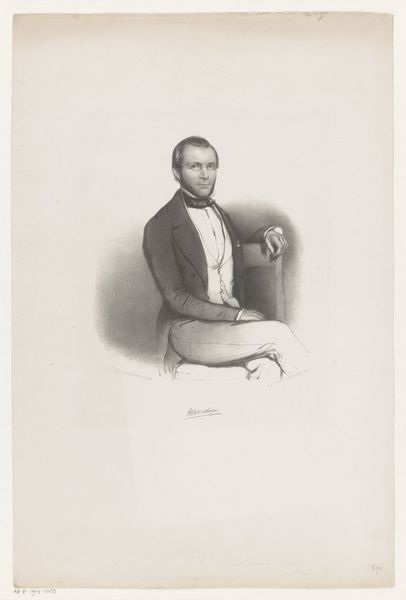
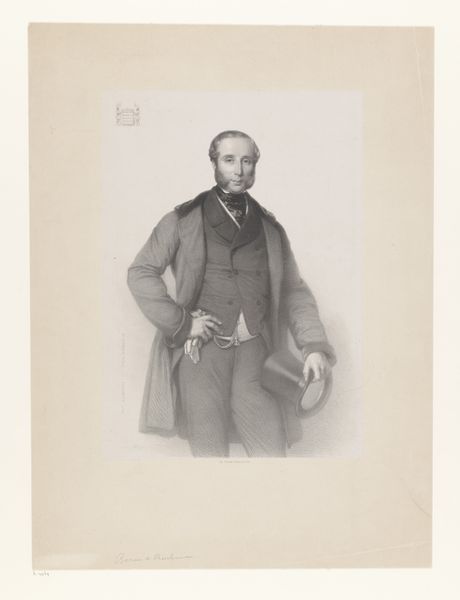
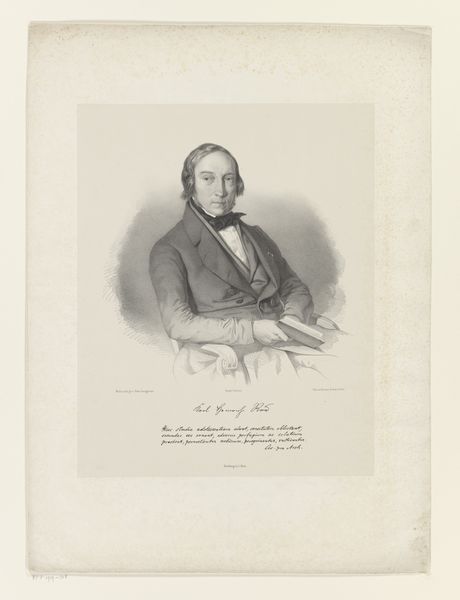
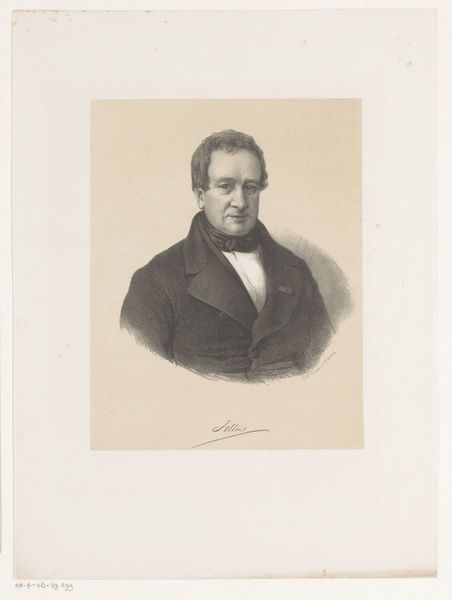
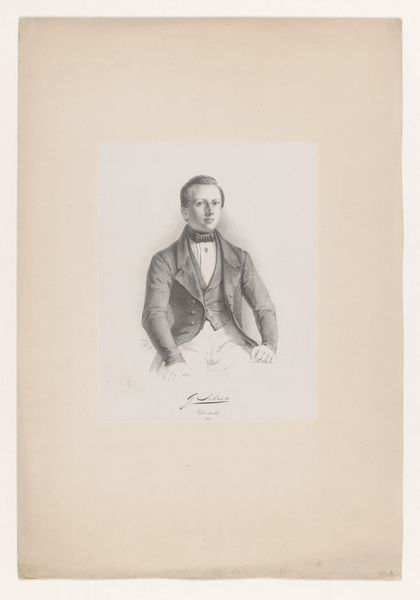
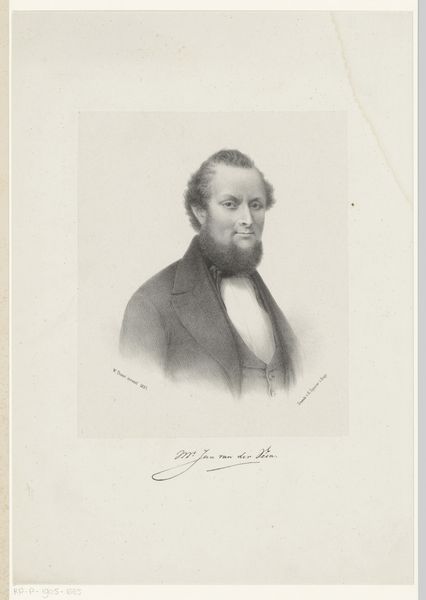
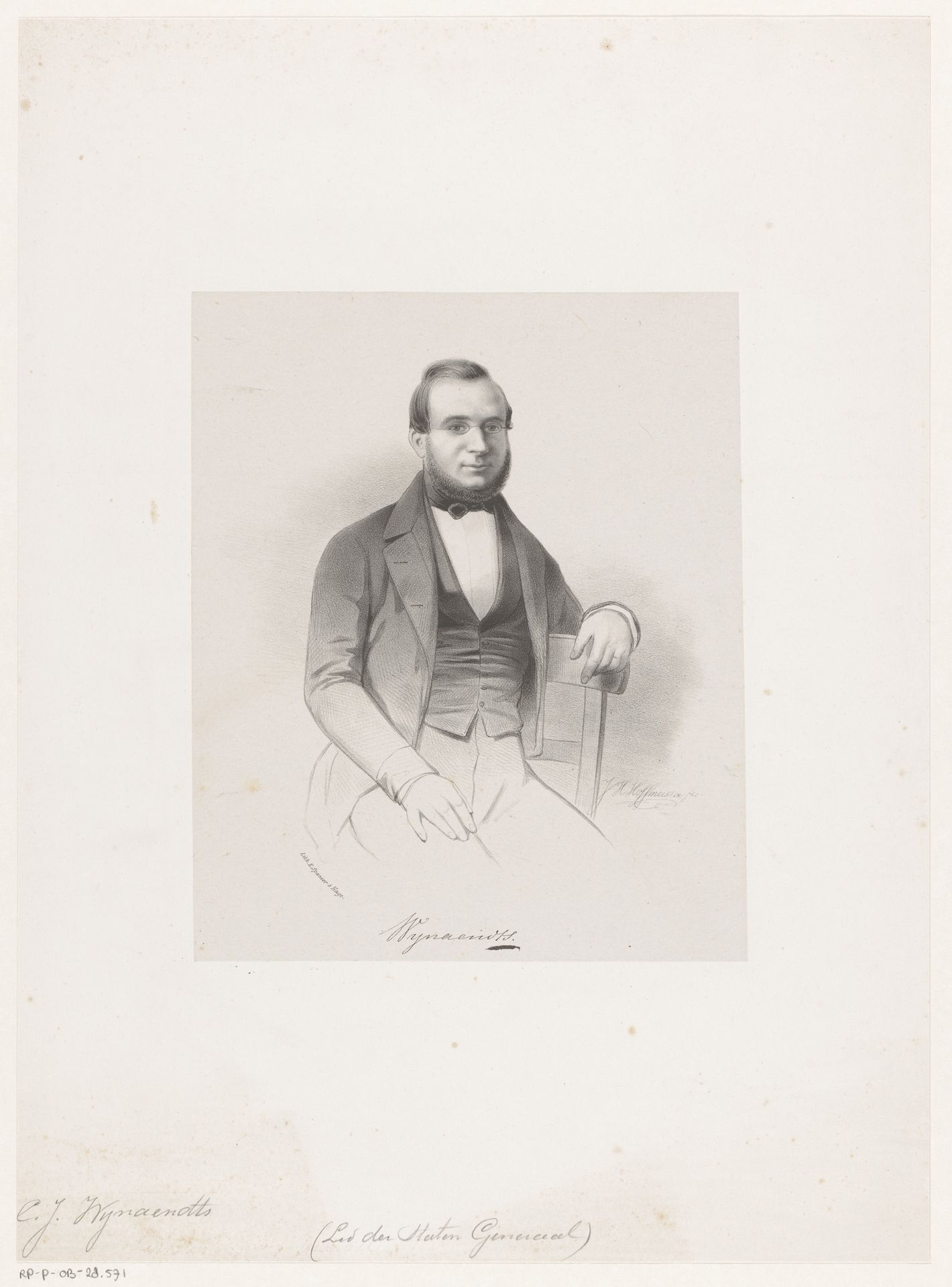
This is a portrait of C. J. Wijnaendts, made by Johan Hendrik Hoffmeister. Here we see the sitter's hand resting casually on the back of a chair. The hand, often seen as a symbol of power, control, and presence, has been an essential element in portraiture. Think of the Roman emperors, whose statues often depicted them with a raised hand, signifying authority and dominion. In this more intimate portrait, the gesture is muted, yet it speaks volumes. The careful arrangement of fingers, the subtle tension in the wrist—all these details convey a sense of composure. Consider the Renaissance portraits where hands held symbolic objects, linking the sitter to their profession, status, or virtues. Here, the unadorned hand brings us closer to the sitter, revealing the nuances of character. It is a silent language, echoing across centuries. The portrait as an instrument to study the human psyche.

Artwork details
- Medium
- drawing, pencil
- Dimensions
- height 435 mm, width 320 mm
- Copyright
- Rijks Museum: Open Domain
Tags
Comments
Share your thoughts
About this artwork
This is a portrait of C. J. Wijnaendts, made by Johan Hendrik Hoffmeister. Here we see the sitter's hand resting casually on the back of a chair. The hand, often seen as a symbol of power, control, and presence, has been an essential element in portraiture. Think of the Roman emperors, whose statues often depicted them with a raised hand, signifying authority and dominion. In this more intimate portrait, the gesture is muted, yet it speaks volumes. The careful arrangement of fingers, the subtle tension in the wrist—all these details convey a sense of composure. Consider the Renaissance portraits where hands held symbolic objects, linking the sitter to their profession, status, or virtues. Here, the unadorned hand brings us closer to the sitter, revealing the nuances of character. It is a silent language, echoing across centuries. The portrait as an instrument to study the human psyche.
Comments
Share your thoughts