About this artwork
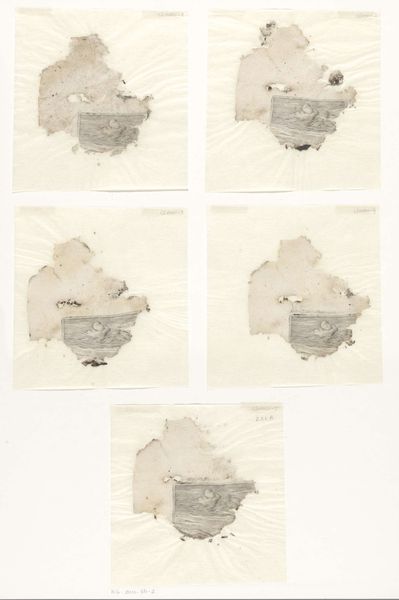
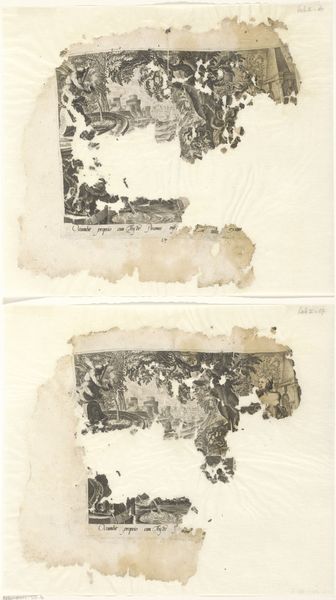
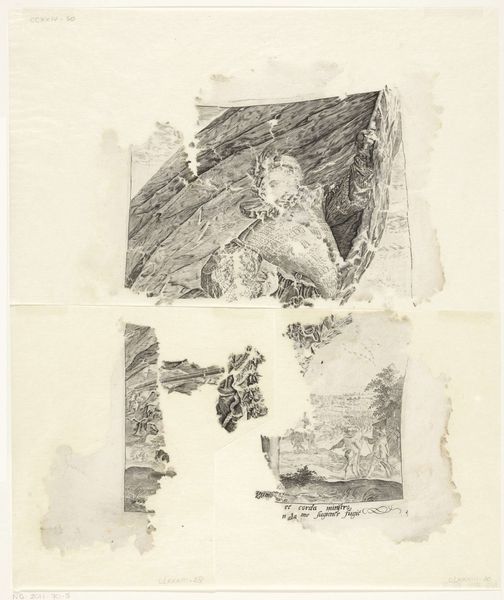
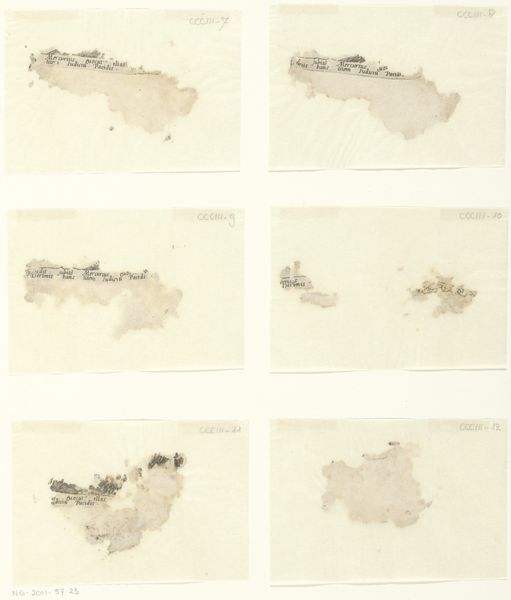
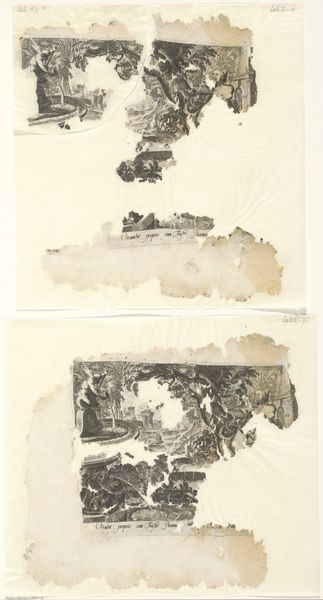
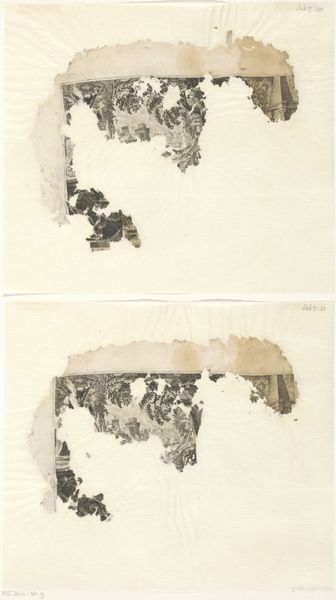
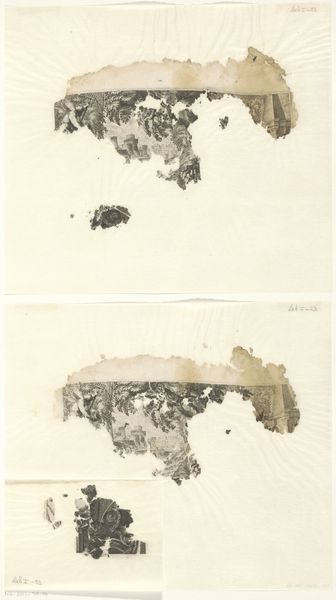
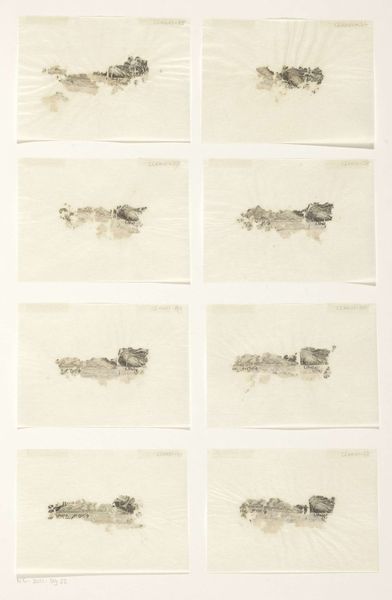
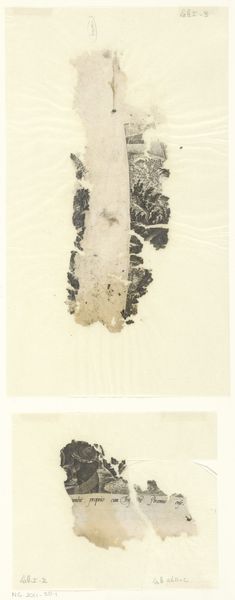
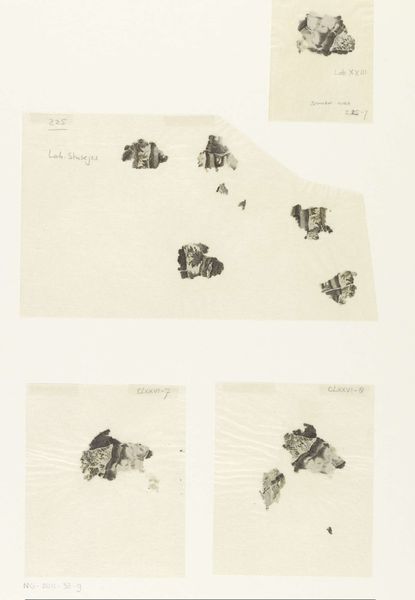
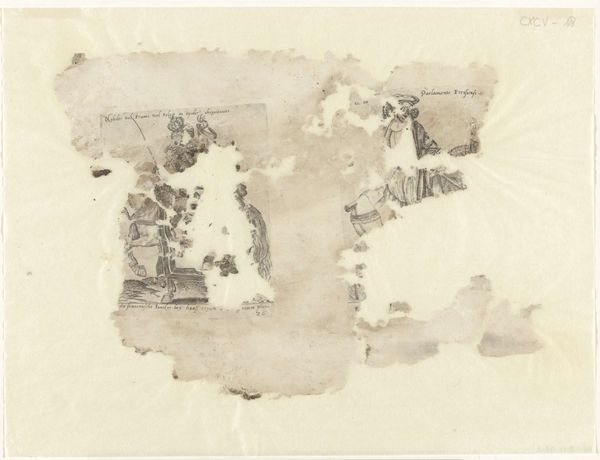
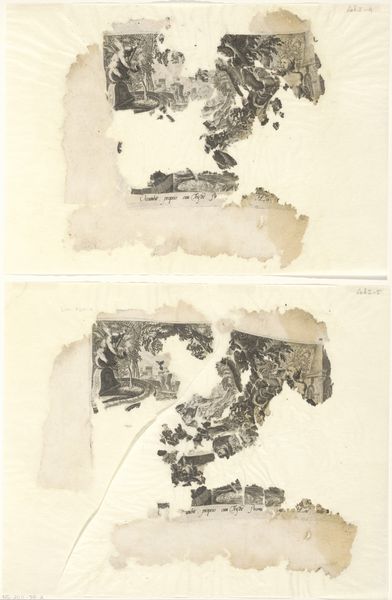
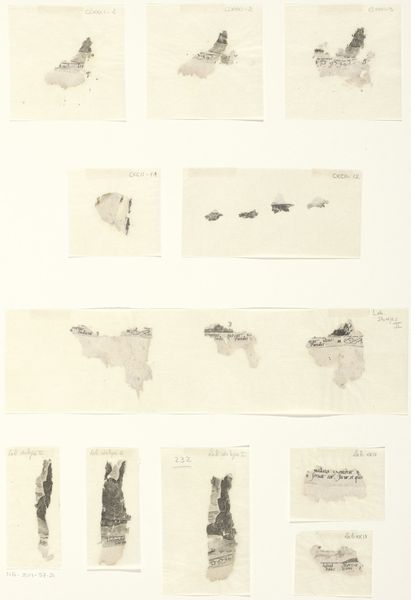
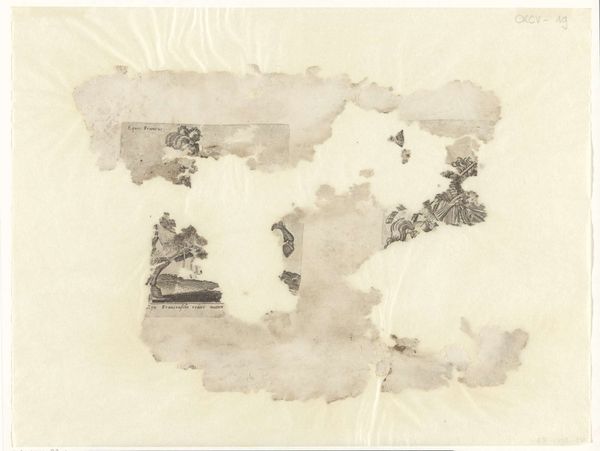
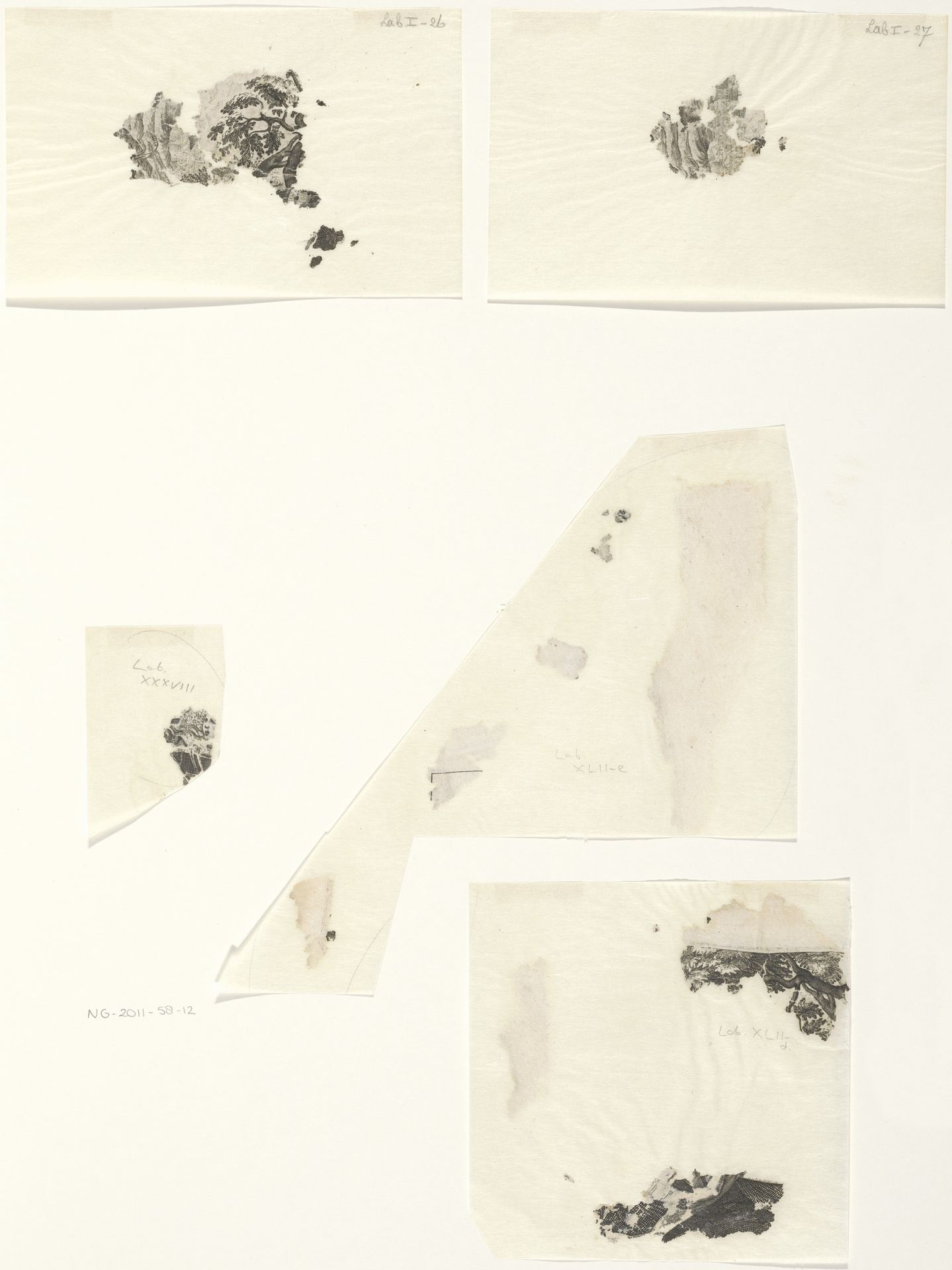
Here are fragments of a print depicting Pyramus and Thisbe, made by an anonymous artist, using a printing process, on paper. Consider the material fragility of these paper fragments. The stark contrast between the delicate, thin paper and the bold, dark ink creates a visual tension, emphasizing both the vulnerability of the medium and the power of the printed image. The process of printmaking, with its reliance on repeatable gestures, speaks to a wider social context of reproduction, labor, and consumption. Each impression would have been produced through careful application of pressure, a repetitive task that reflects the labor involved in creating multiples. The fragmented state further adds another layer, inviting contemplation on the nature of time, loss, and the transient nature of human endeavors. What was once a complete image, a story, is now reduced to remnants. Looking at these scraps, we are reminded that the value of a work of art lies not only in its final form, but also in the materials, the making, and the social context that inform its creation.
Losse fragmenten van een prent van Pyramus en Thisbe
1580 - 1596

Anonymous
@anonymousLocation
RijksmuseumArtwork details
- Dimensions
- height 145 mm, width 146 mm
- Location
- Rijksmuseum
- Copyright
- Rijks Museum: Open Domain
Tags
Comments
Share your thoughts
About this artwork
Here are fragments of a print depicting Pyramus and Thisbe, made by an anonymous artist, using a printing process, on paper. Consider the material fragility of these paper fragments. The stark contrast between the delicate, thin paper and the bold, dark ink creates a visual tension, emphasizing both the vulnerability of the medium and the power of the printed image. The process of printmaking, with its reliance on repeatable gestures, speaks to a wider social context of reproduction, labor, and consumption. Each impression would have been produced through careful application of pressure, a repetitive task that reflects the labor involved in creating multiples. The fragmented state further adds another layer, inviting contemplation on the nature of time, loss, and the transient nature of human endeavors. What was once a complete image, a story, is now reduced to remnants. Looking at these scraps, we are reminded that the value of a work of art lies not only in its final form, but also in the materials, the making, and the social context that inform its creation.
Comments
Share your thoughts