About this artwork
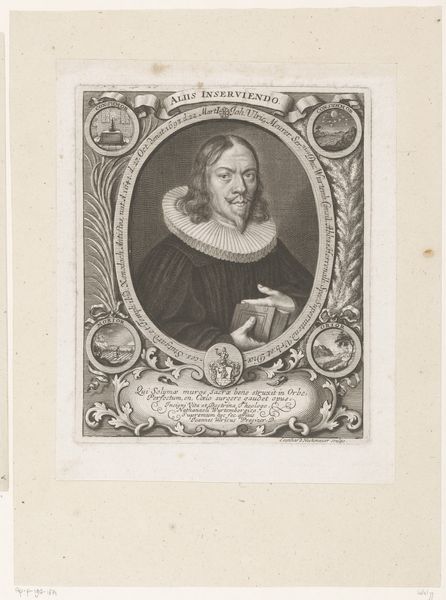
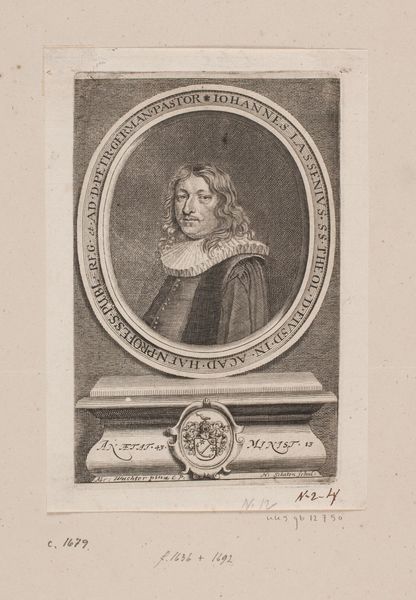
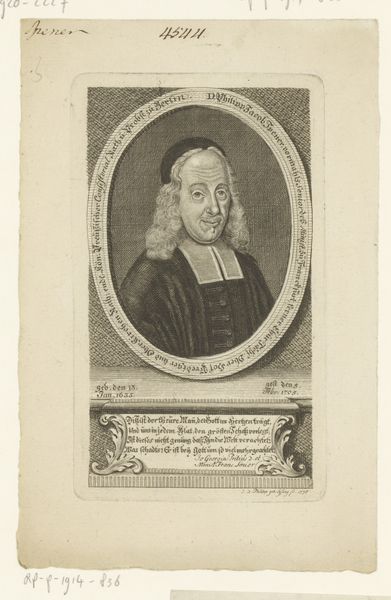
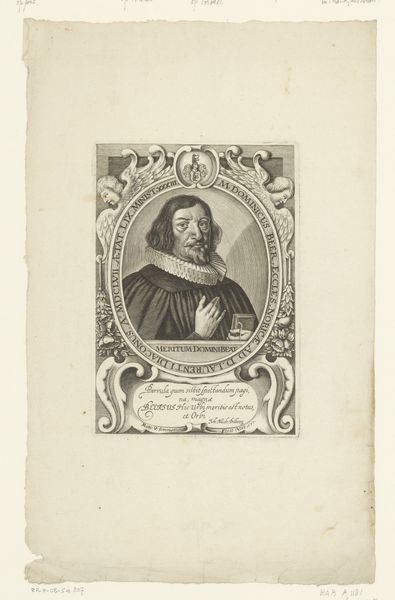
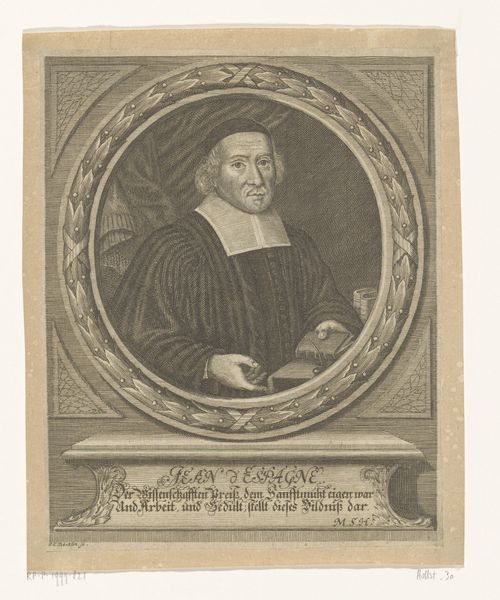
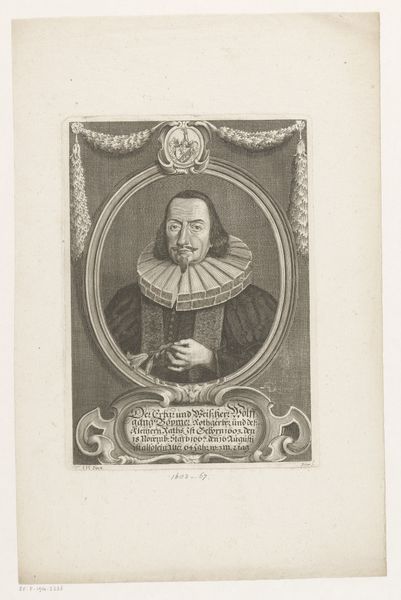
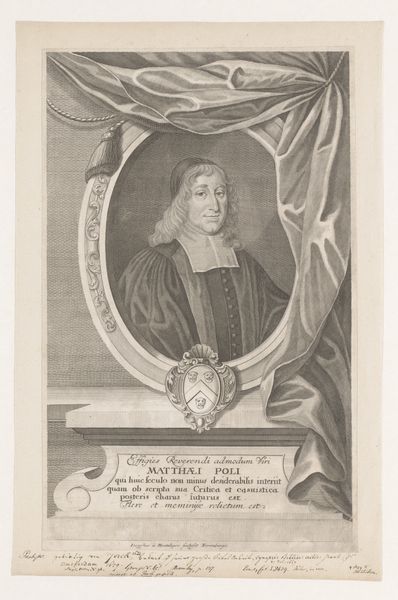
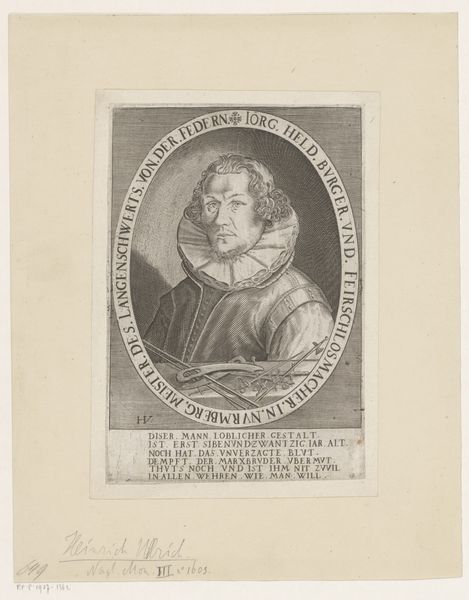
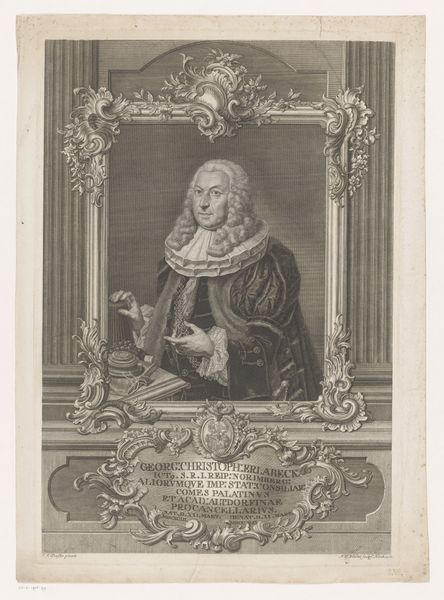
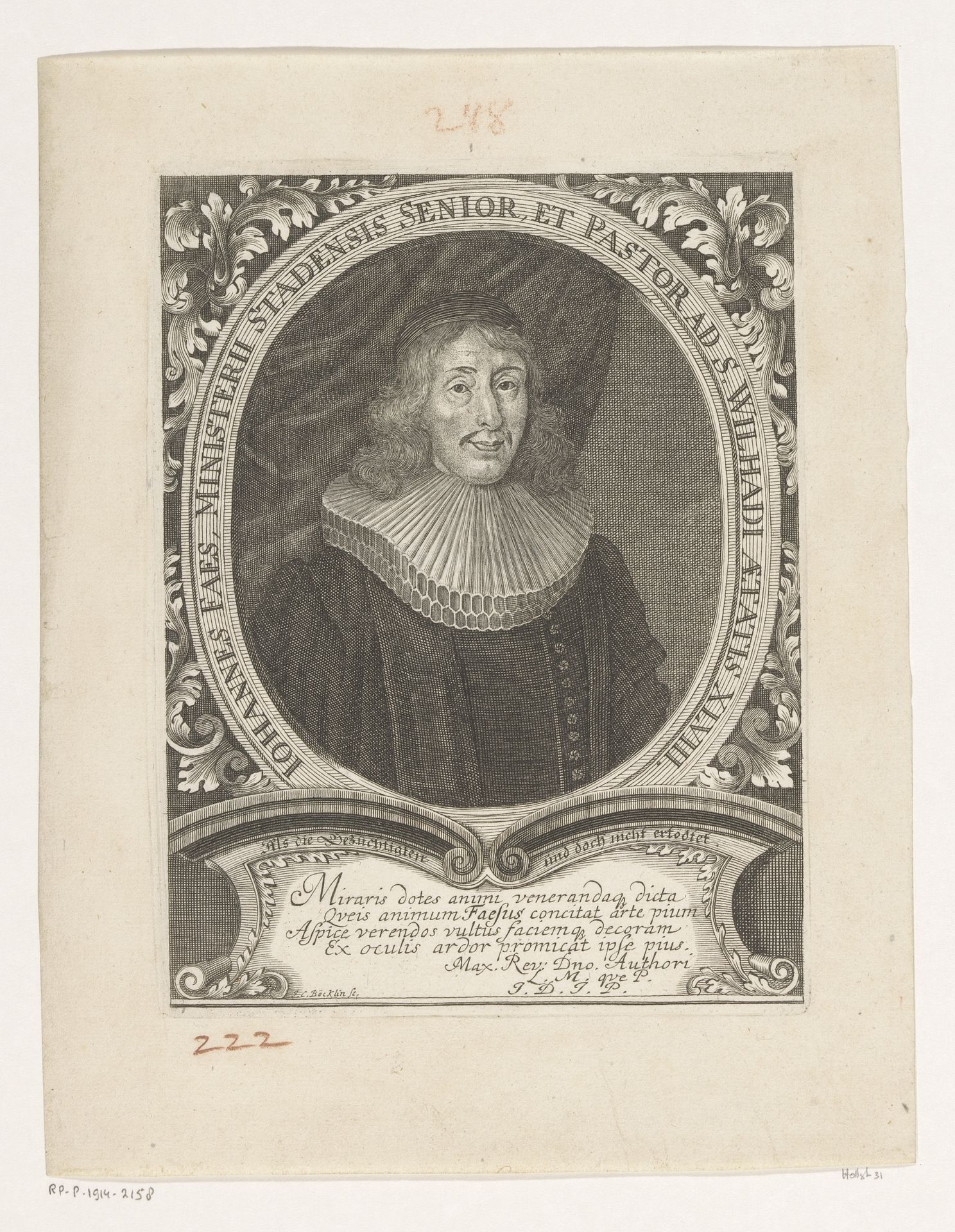
Johann Christoph Boecklin made this portrait of Johannes Faes using etching, a printmaking technique. The image reflects the social and religious context of the Dutch Golden Age. Faes was a minister, as indicated by the inscription, and the portrait likely served as a public declaration of his position and status within the community. Boecklin worked in a period where the Dutch Reformed Church played a significant role in shaping social and moral values. The sober attire and dignified pose reflect the values of the time. The elaborate frame and Latin inscriptions add layers of meaning, possibly alluding to Faes’s intellectual and spiritual qualities. Studying church records, genealogical information, and other prints of the period help contextualize the portrait. This image, like all art, is more than just a picture; it's a historical document that reflects the values, beliefs, and social structures of its time.

Artwork details
- Medium
- print, engraving
- Dimensions
- height 182 mm, width 139 mm
- Location
- Rijksmuseum
- Copyright
- Rijks Museum: Open Domain
Tags
Comments
Share your thoughts
About this artwork
Johann Christoph Boecklin made this portrait of Johannes Faes using etching, a printmaking technique. The image reflects the social and religious context of the Dutch Golden Age. Faes was a minister, as indicated by the inscription, and the portrait likely served as a public declaration of his position and status within the community. Boecklin worked in a period where the Dutch Reformed Church played a significant role in shaping social and moral values. The sober attire and dignified pose reflect the values of the time. The elaborate frame and Latin inscriptions add layers of meaning, possibly alluding to Faes’s intellectual and spiritual qualities. Studying church records, genealogical information, and other prints of the period help contextualize the portrait. This image, like all art, is more than just a picture; it's a historical document that reflects the values, beliefs, and social structures of its time.
Comments
Share your thoughts