About this artwork
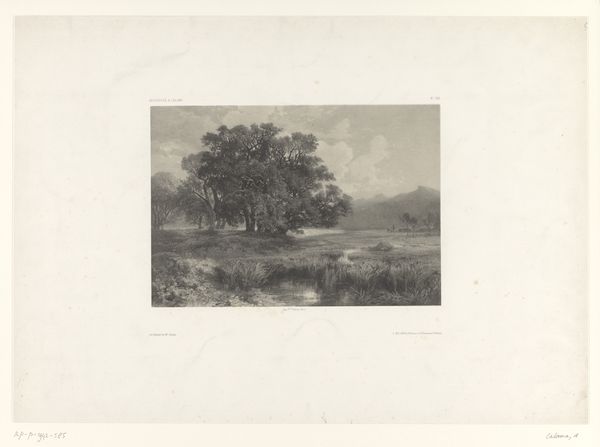
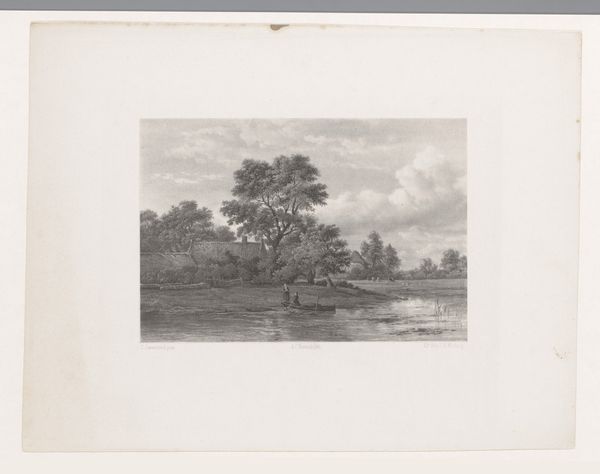
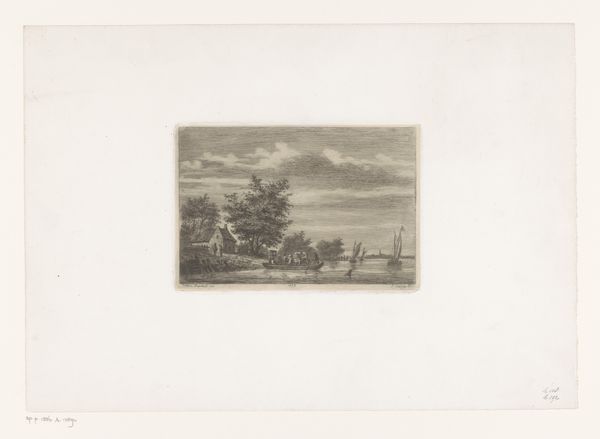
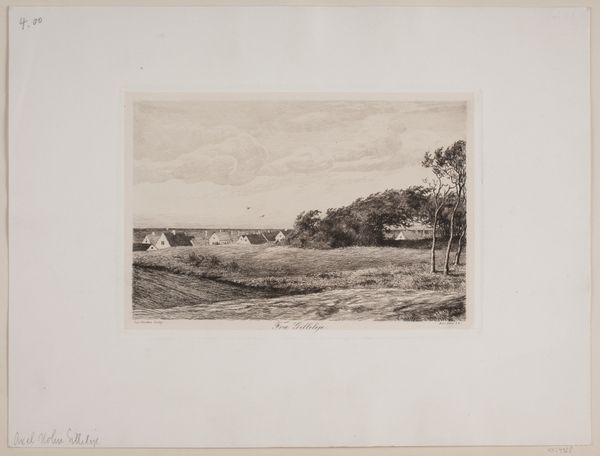
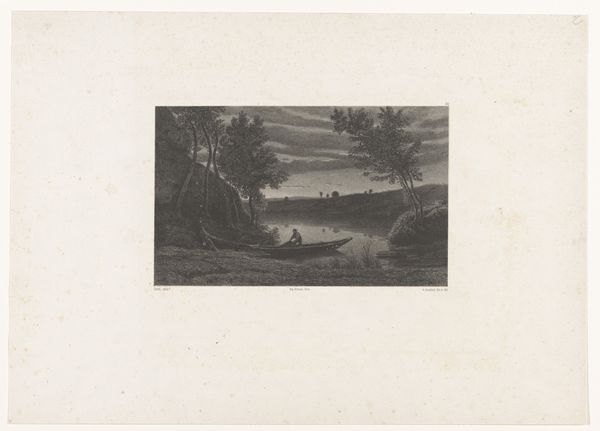
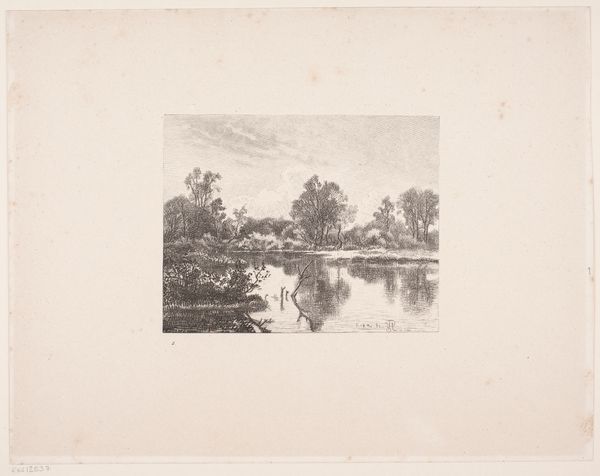
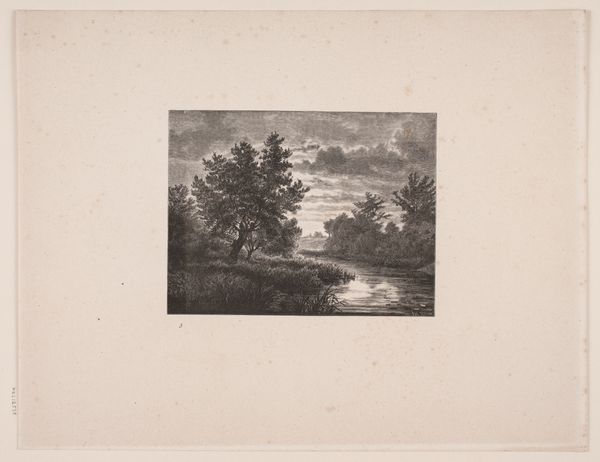
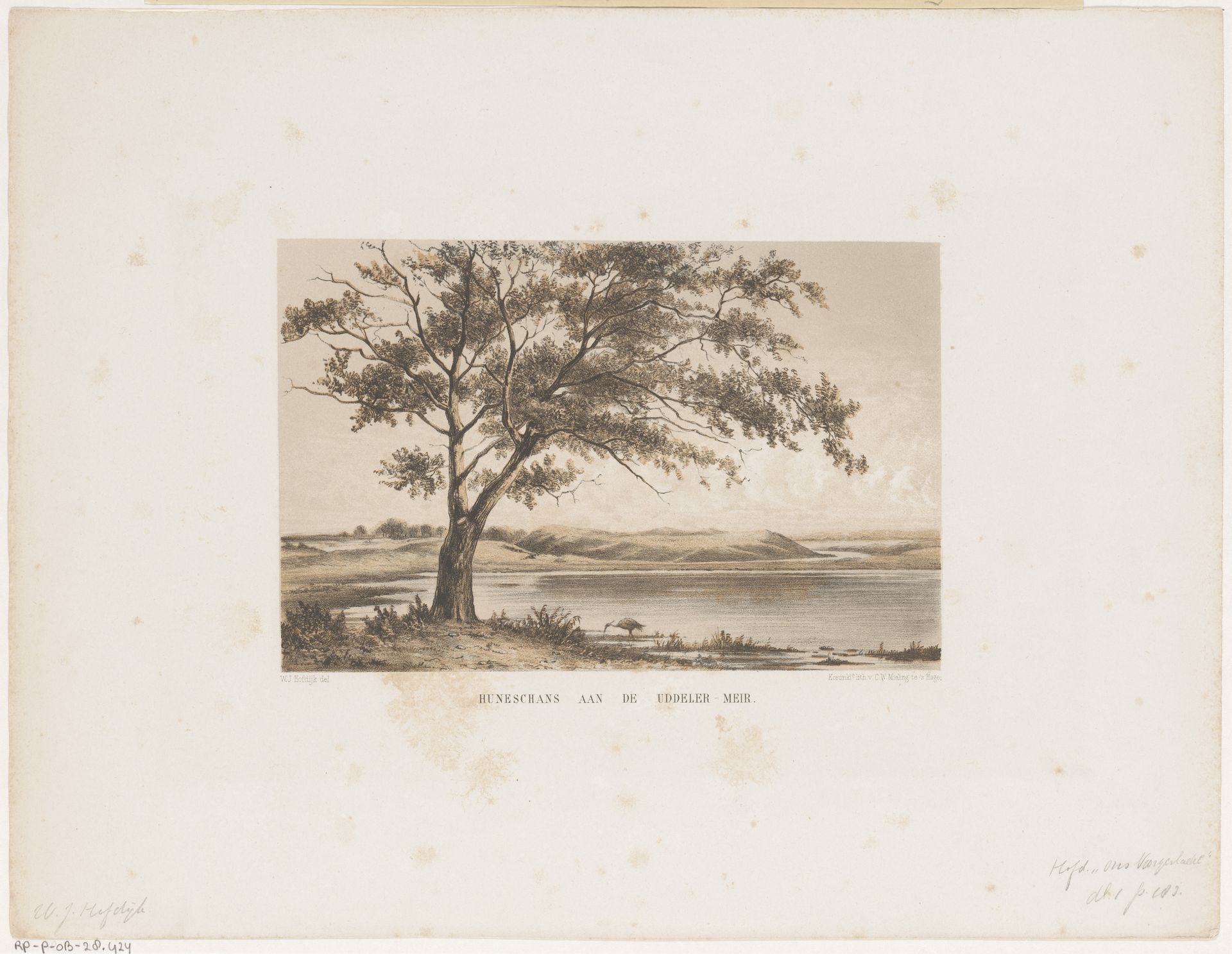
This is Willem Jacob Hofdijk's print, "Huneschans aan de Uddeler Meer," now held in the Rijksmuseum. The image offers a glimpse into the cultural construction of landscape in 19th-century Netherlands. Hofdijk's choice to depict the Uddeler Meer lake is telling. During the Dutch Golden Age, artists often focused on grand cityscapes or bustling merchant scenes. However, this print suggests a shift towards valuing serene, natural landscapes. The inclusion of the Huneschans, a type of ancient earthwork, adds a layer of historical depth, evoking a sense of national heritage and connection to the land. This interest was also stirred by archeological societies, themselves a product of increasing national self-consciousness. To fully understand this work, we need to look into the history of Dutch landscape painting and the rise of national historical societies. Through careful research, we can uncover the social values and institutional forces that shaped Hofdijk's artistic vision.

Artwork details
- Dimensions
- height 292 mm, width 375 mm
- Location
- Rijksmuseum
- Copyright
- Rijks Museum: Open Domain
Comments
Share your thoughts
About this artwork
This is Willem Jacob Hofdijk's print, "Huneschans aan de Uddeler Meer," now held in the Rijksmuseum. The image offers a glimpse into the cultural construction of landscape in 19th-century Netherlands. Hofdijk's choice to depict the Uddeler Meer lake is telling. During the Dutch Golden Age, artists often focused on grand cityscapes or bustling merchant scenes. However, this print suggests a shift towards valuing serene, natural landscapes. The inclusion of the Huneschans, a type of ancient earthwork, adds a layer of historical depth, evoking a sense of national heritage and connection to the land. This interest was also stirred by archeological societies, themselves a product of increasing national self-consciousness. To fully understand this work, we need to look into the history of Dutch landscape painting and the rise of national historical societies. Through careful research, we can uncover the social values and institutional forces that shaped Hofdijk's artistic vision.
Comments
Share your thoughts