About this artwork
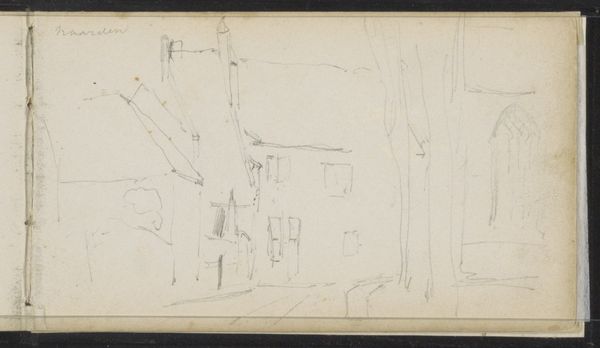
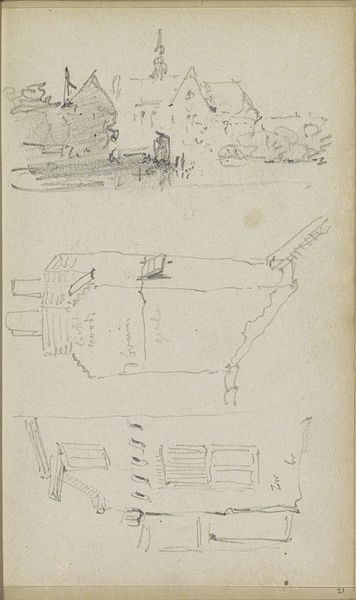
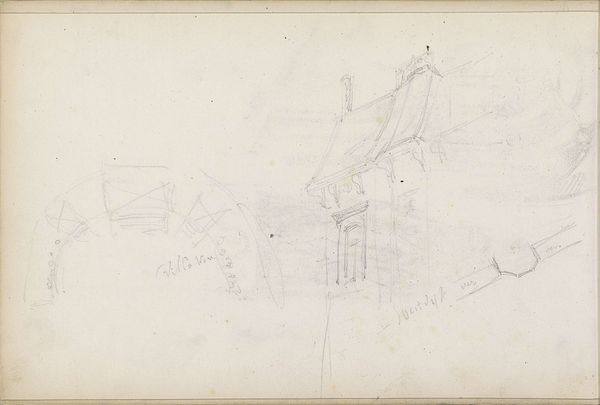
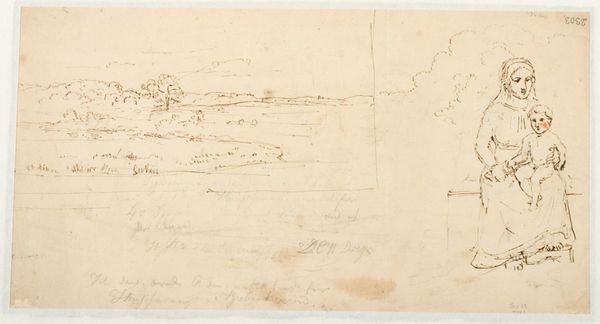
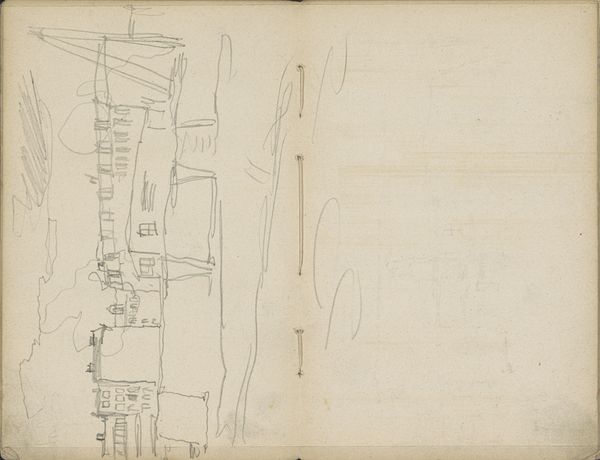
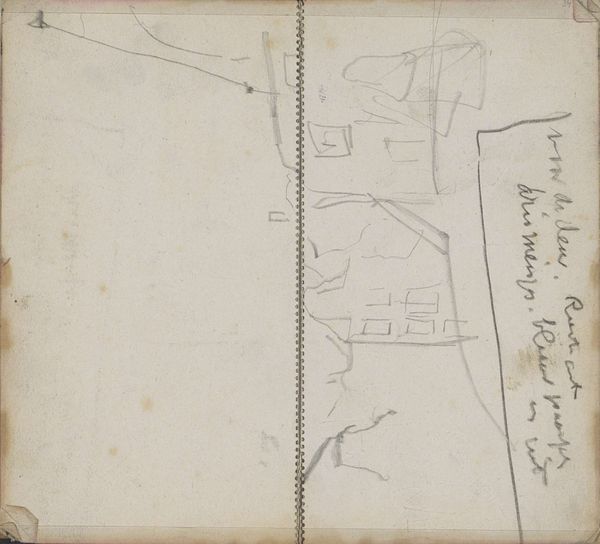
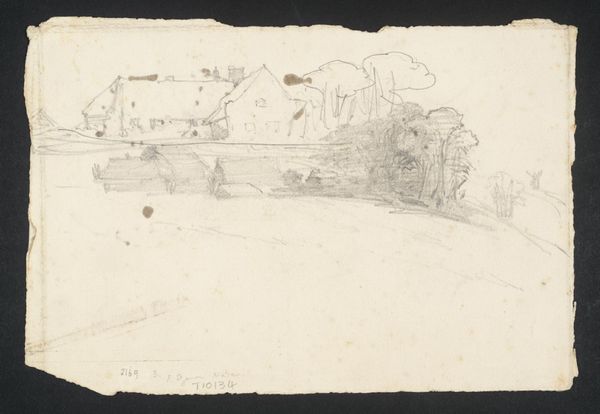
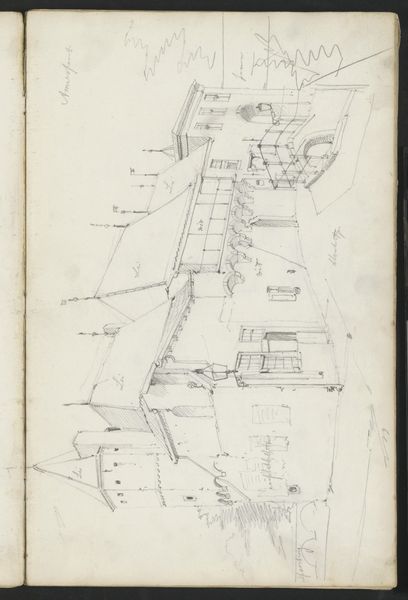
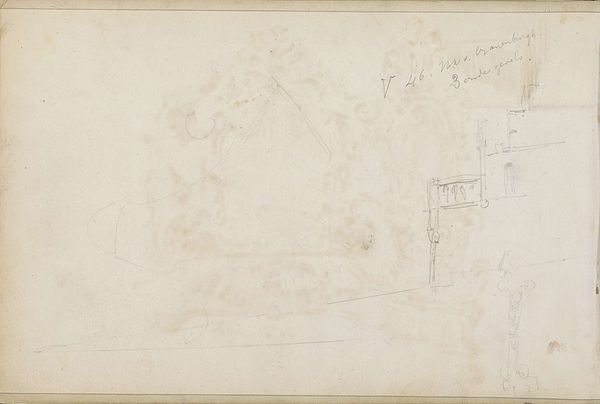
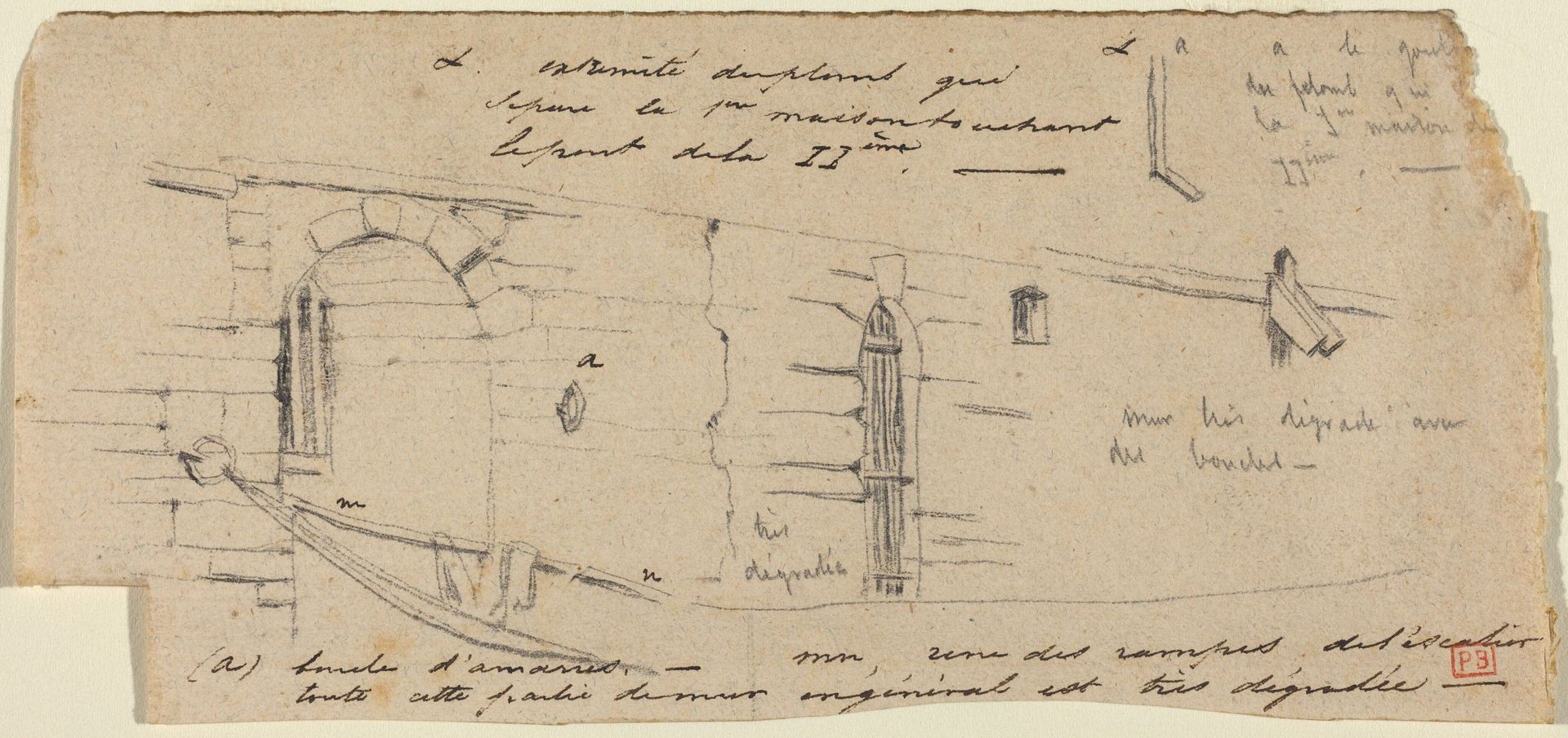
Charles Meryon made this preparatory study for "Le Petit Pont" with graphite on paper. Meryon, a 19th-century French artist, was known for his detailed etchings of Paris. This sketch gives us a glimpse into Meryon’s artistic process, showing his careful observation and planning. The architectural details he captures reflect not just the physical structure of the bridge, but also the social and historical context of the city. There’s an emotional charge to Meryon’s work, driven by his own struggles with mental health and feelings of alienation. "I began to think of the beautiful city of Paris as a dark place" he said. The bridge, as he depicts it, becomes a stage for human drama, reflecting both the grandeur and the decay of urban life. Meryon invites us to consider how the built environment shapes our experiences and identities.
Study for "Le Petit Pont"
c. 1850


Artwork details
- Medium
- drawing, etching, pencil
- Dimensions
- overall (approximate): 8.4 x 18 cm (3 5/16 x 7 1/16 in.)
- Copyright
- National Gallery of Art: CC0 1.0
Tags
Comments
Share your thoughts
About this artwork
Charles Meryon made this preparatory study for "Le Petit Pont" with graphite on paper. Meryon, a 19th-century French artist, was known for his detailed etchings of Paris. This sketch gives us a glimpse into Meryon’s artistic process, showing his careful observation and planning. The architectural details he captures reflect not just the physical structure of the bridge, but also the social and historical context of the city. There’s an emotional charge to Meryon’s work, driven by his own struggles with mental health and feelings of alienation. "I began to think of the beautiful city of Paris as a dark place" he said. The bridge, as he depicts it, becomes a stage for human drama, reflecting both the grandeur and the decay of urban life. Meryon invites us to consider how the built environment shapes our experiences and identities.
Comments
Share your thoughts