About this artwork
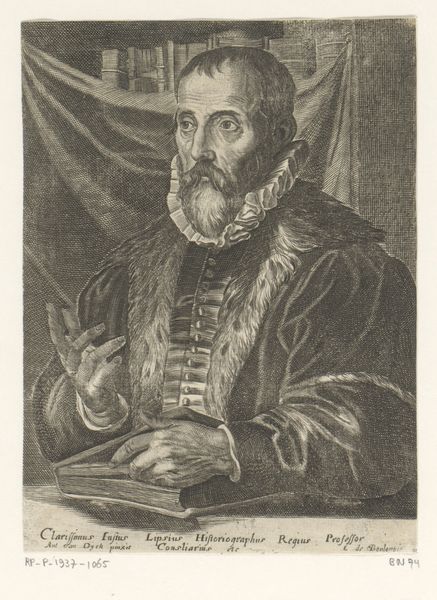
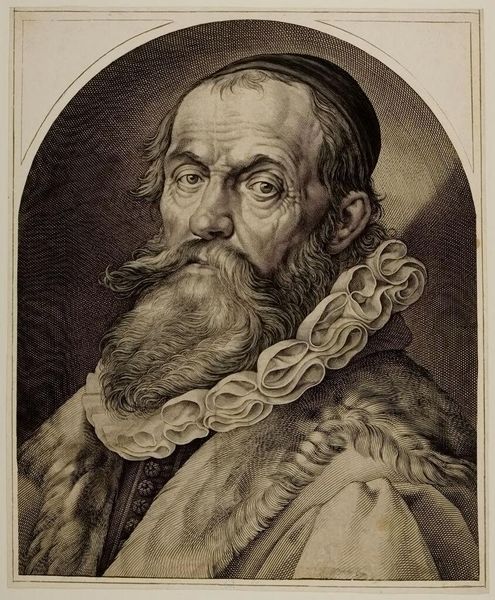
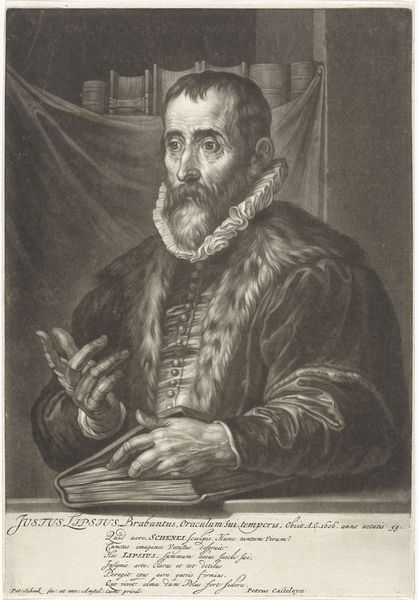
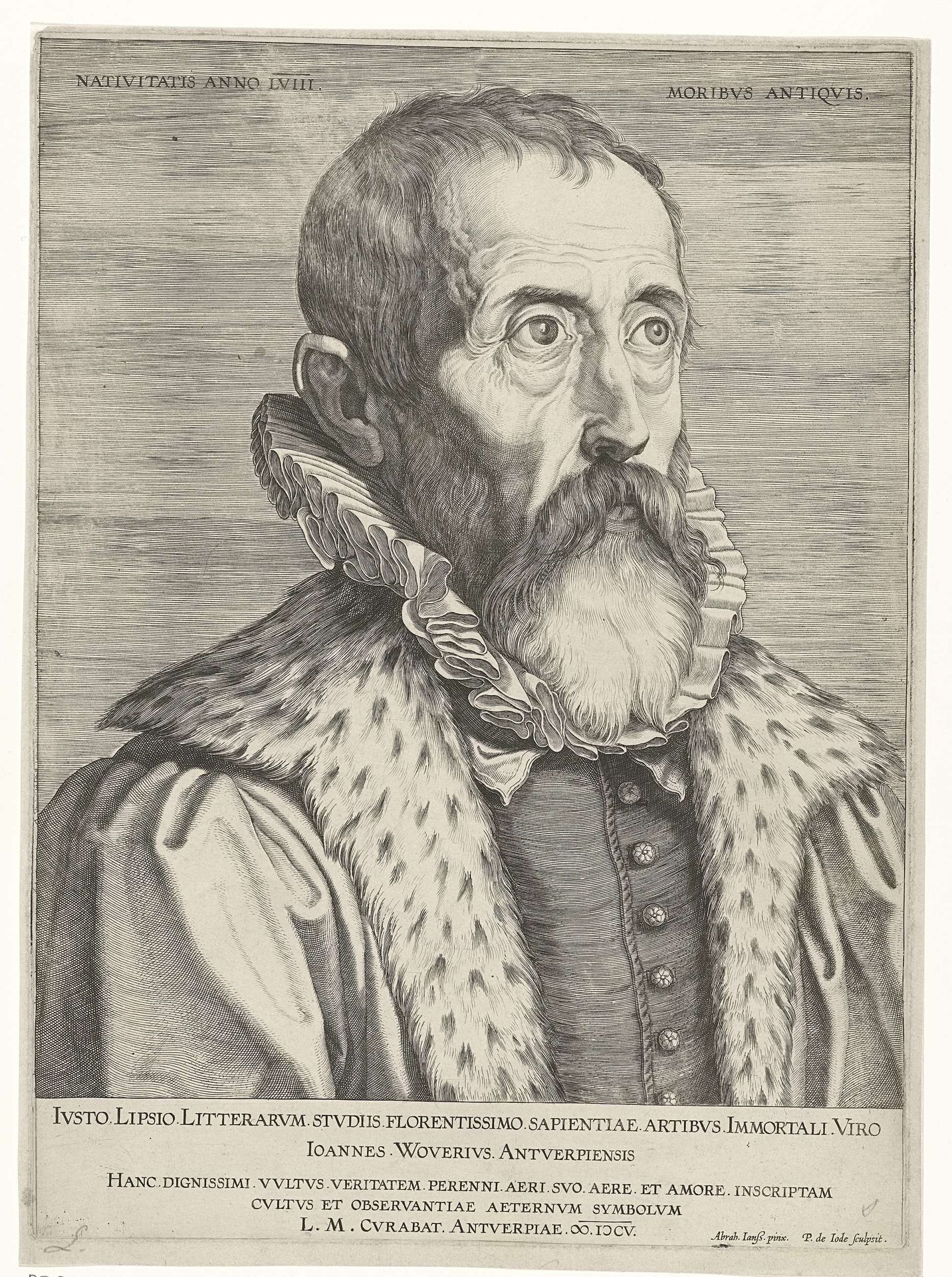
Pieter de Jode I created this engraving of Justus Lipsius, a leading philologist and humanist, sometime between 1572 and 1634. The portrait presents us with more than just an image of a scholar; it reflects the complex intersections of intellectual life, social status, and personal identity in the late Renaissance. Lipsius is depicted with the solemnity and gravitas befitting a man of letters. His fur-lined coat and the elaborate ruff are visual markers of his status and success, signifiers of the patronage and recognition he received in academic circles. It's hard to miss the Latin inscription below the image, which elevates Lipsius to the status of an immortal man. During this time, humanist scholars often grappled with their identities in relation to classical antiquity and contemporary society. Lipsius, like many of his peers, sought to revive classical ideals. His work helped to shape the cultural landscape of his time, influencing education, politics, and religious thought. This portrait immortalizes a figure who embodied the intellectual aspirations and social complexities of his era.

Artwork details
- Medium
- print, engraving
- Dimensions
- height 322 mm, width 234 mm
- Location
- Rijksmuseum
- Copyright
- Rijks Museum: Open Domain
Tags
Comments
Share your thoughts
About this artwork
Pieter de Jode I created this engraving of Justus Lipsius, a leading philologist and humanist, sometime between 1572 and 1634. The portrait presents us with more than just an image of a scholar; it reflects the complex intersections of intellectual life, social status, and personal identity in the late Renaissance. Lipsius is depicted with the solemnity and gravitas befitting a man of letters. His fur-lined coat and the elaborate ruff are visual markers of his status and success, signifiers of the patronage and recognition he received in academic circles. It's hard to miss the Latin inscription below the image, which elevates Lipsius to the status of an immortal man. During this time, humanist scholars often grappled with their identities in relation to classical antiquity and contemporary society. Lipsius, like many of his peers, sought to revive classical ideals. His work helped to shape the cultural landscape of his time, influencing education, politics, and religious thought. This portrait immortalizes a figure who embodied the intellectual aspirations and social complexities of his era.
Comments
Share your thoughts