About this artwork
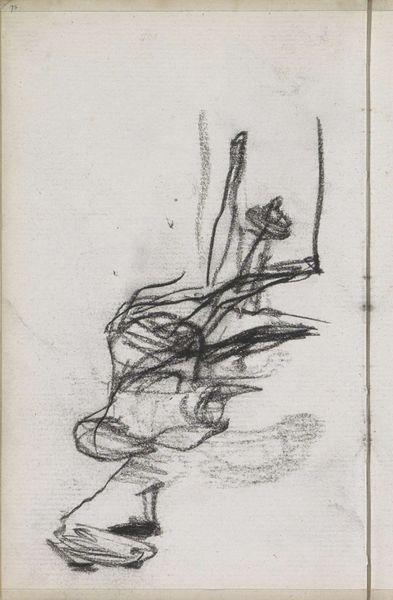
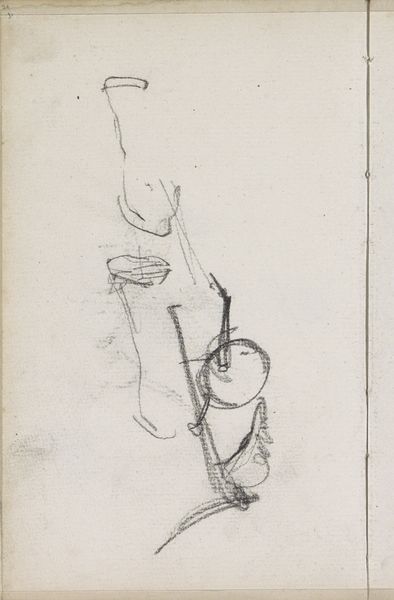
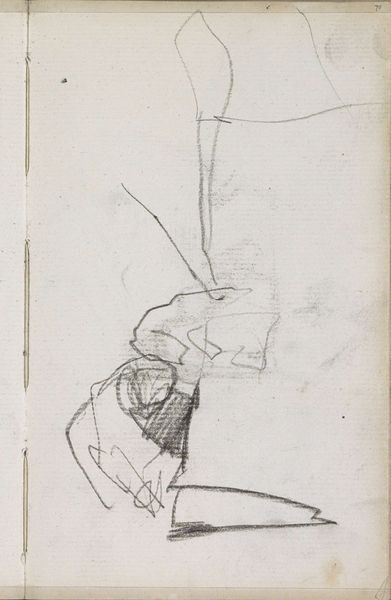
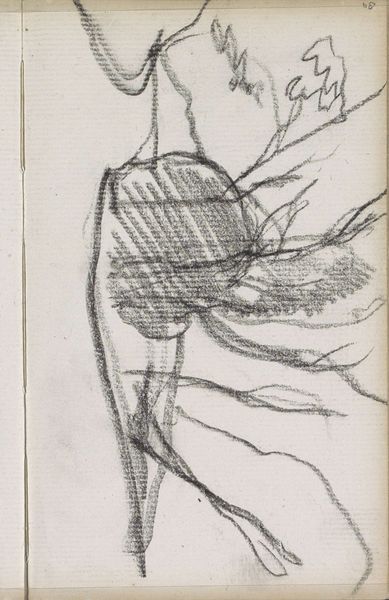
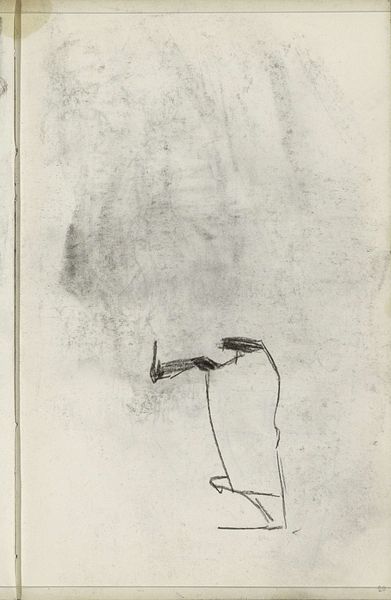
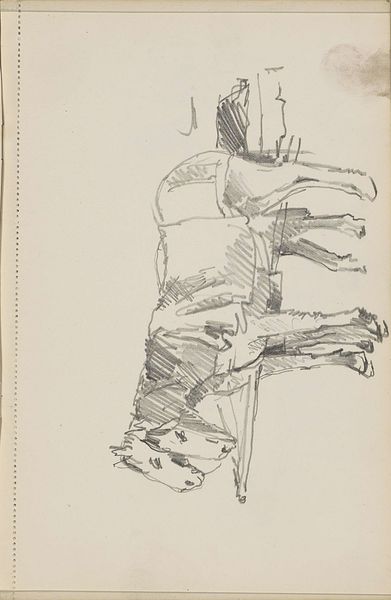
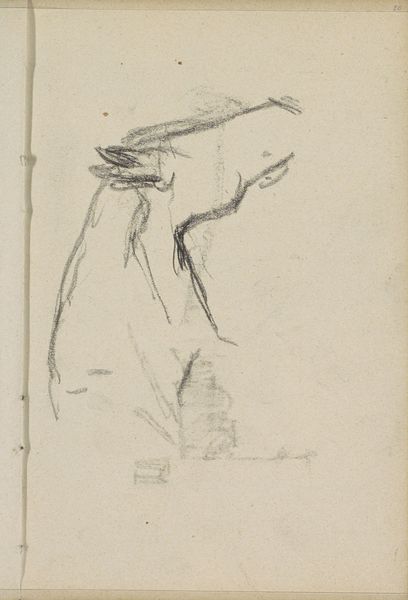
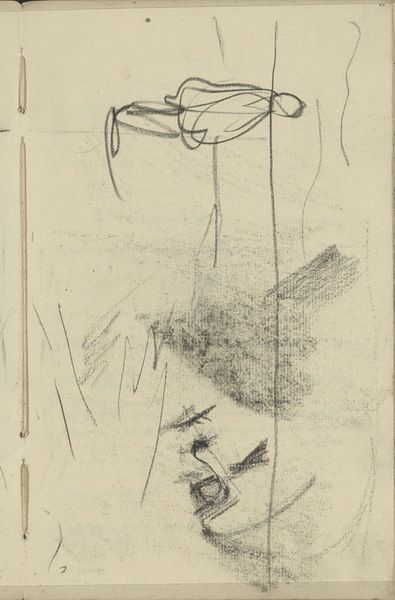
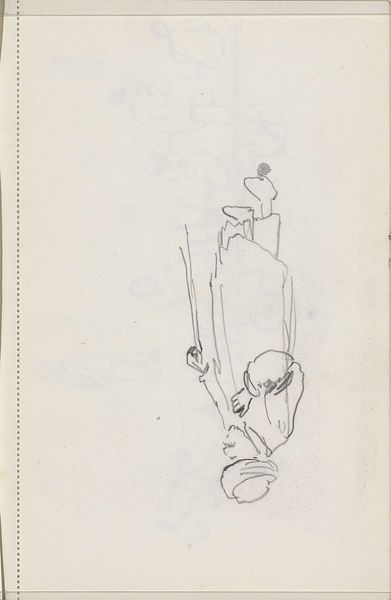
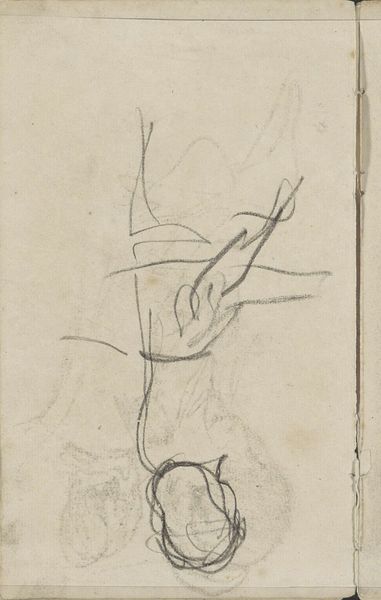
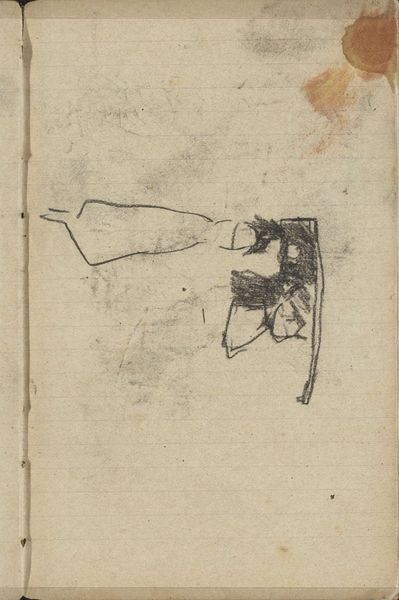
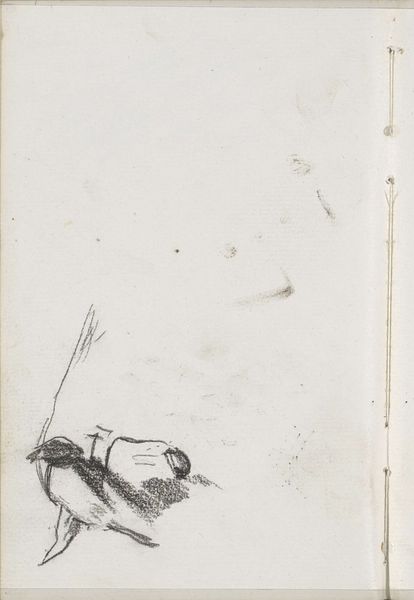
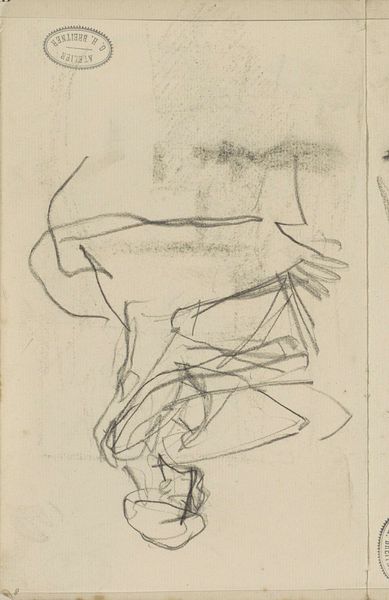
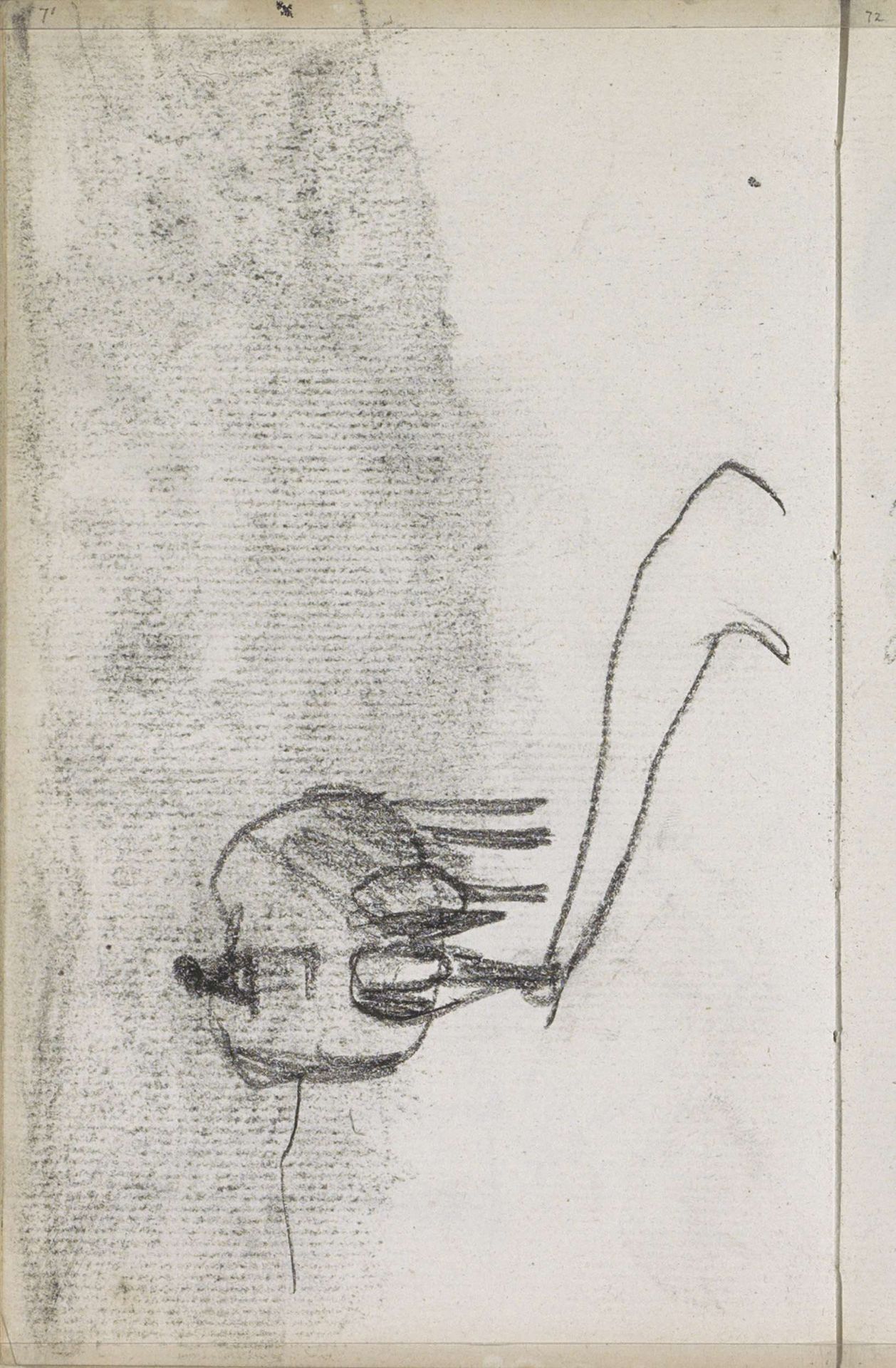
This is a study of burdened animals, possibly horses or donkeys, by George Hendrik Breitner. The central motif here is the depiction of animals carrying heavy loads, an age-old symbol of labor, servitude, and endurance. These beasts of burden remind me of classical friezes depicting processions or sacrificial offerings, where animals played a crucial role in the narratives of power and ritual. The stooped posture and the weight they carry echo across time, from ancient Egyptian murals to medieval tapestries. The image evokes a deep sense of empathy and recognition of shared burdens. The drawing's raw simplicity acts as a powerful force, engaging viewers on a subconscious level. The symbol of burdened animals resurfaces and evolves, taking on new meanings that reflect humanity's complex relationship with the natural world and the burdens we carry, both physical and emotional.
Studie, mogelijk van twee bepakte paarden of ezels
1884 - 1886

George Hendrik Breitner
1857 - 1923Location
RijksmuseumArtwork details
- Medium
- drawing, pencil
- Location
- Rijksmuseum
- Copyright
- Rijks Museum: Open Domain
Tags
Comments
Share your thoughts
About this artwork
This is a study of burdened animals, possibly horses or donkeys, by George Hendrik Breitner. The central motif here is the depiction of animals carrying heavy loads, an age-old symbol of labor, servitude, and endurance. These beasts of burden remind me of classical friezes depicting processions or sacrificial offerings, where animals played a crucial role in the narratives of power and ritual. The stooped posture and the weight they carry echo across time, from ancient Egyptian murals to medieval tapestries. The image evokes a deep sense of empathy and recognition of shared burdens. The drawing's raw simplicity acts as a powerful force, engaging viewers on a subconscious level. The symbol of burdened animals resurfaces and evolves, taking on new meanings that reflect humanity's complex relationship with the natural world and the burdens we carry, both physical and emotional.
Comments
Share your thoughts