1815 - 1819
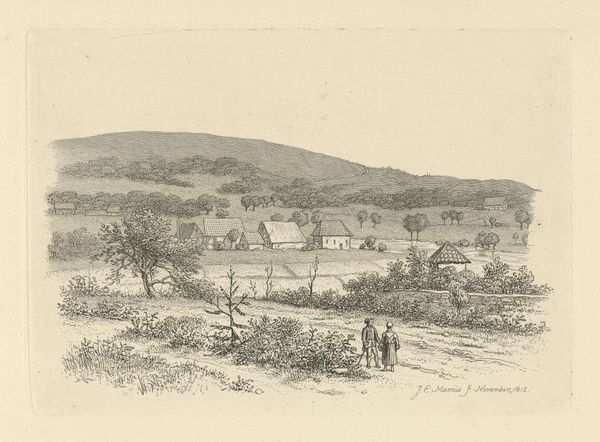
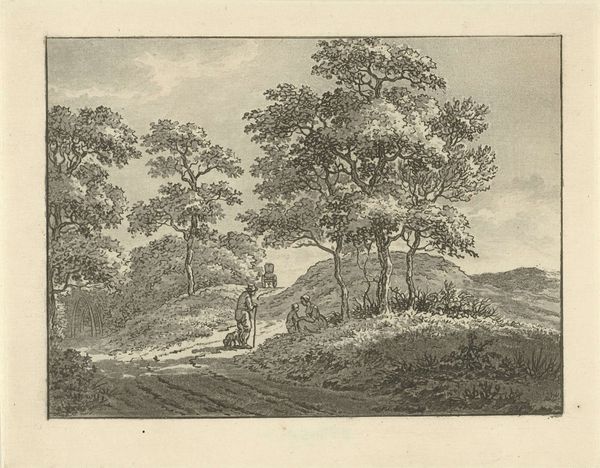
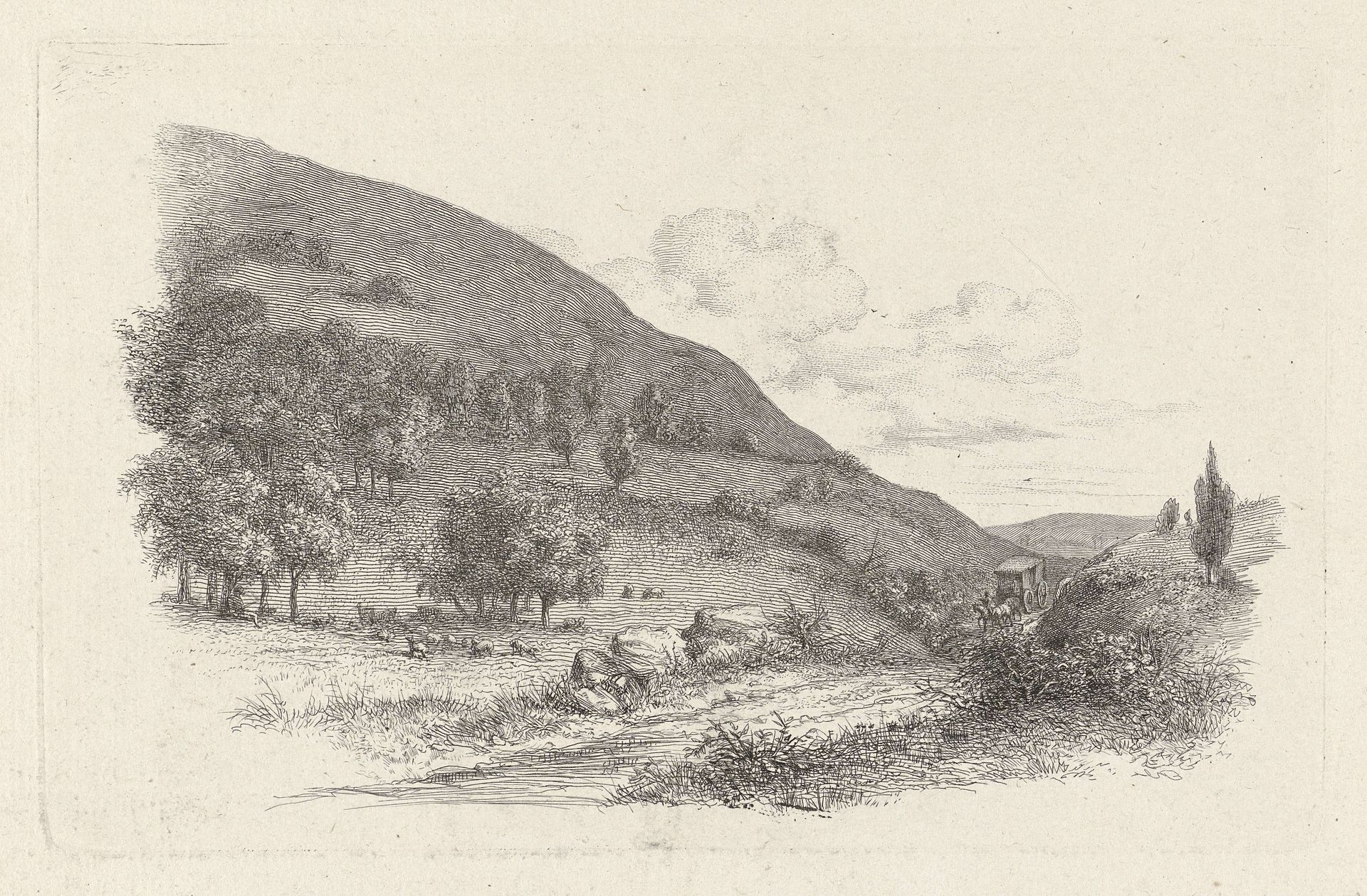
Rijtuig in een landschap

Jacob Ernst Marcus
1774 - 1826Location
RijksmuseumListen to curator's interpretation
Curatorial notes
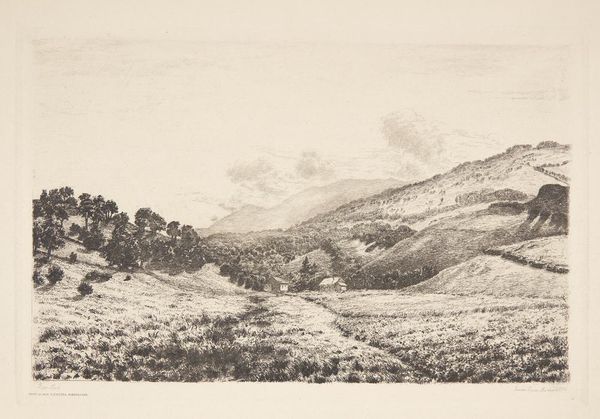
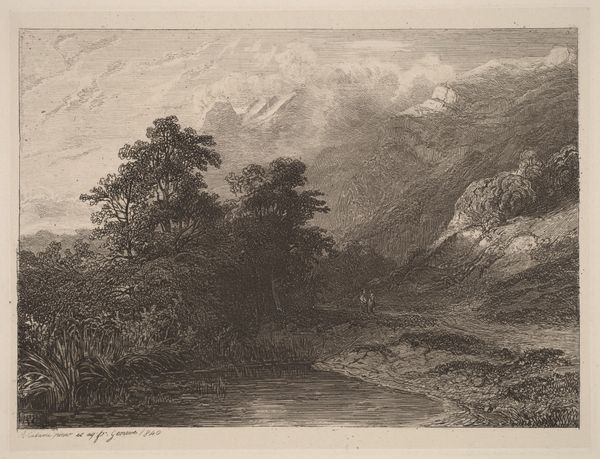
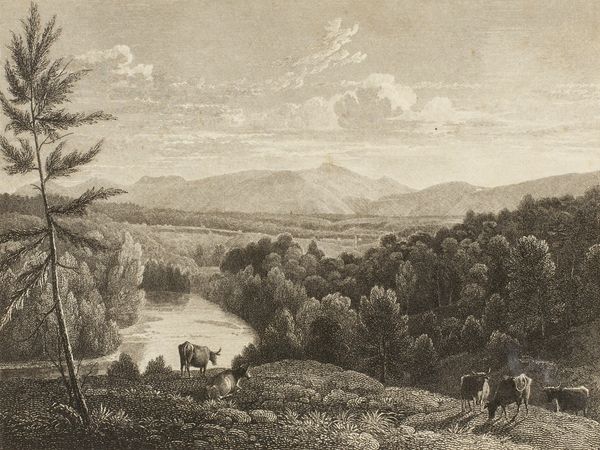
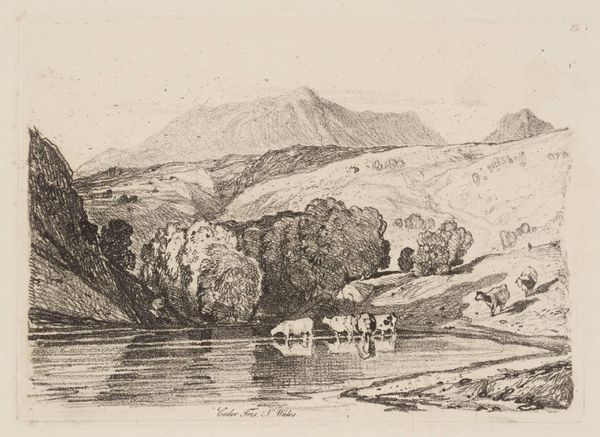
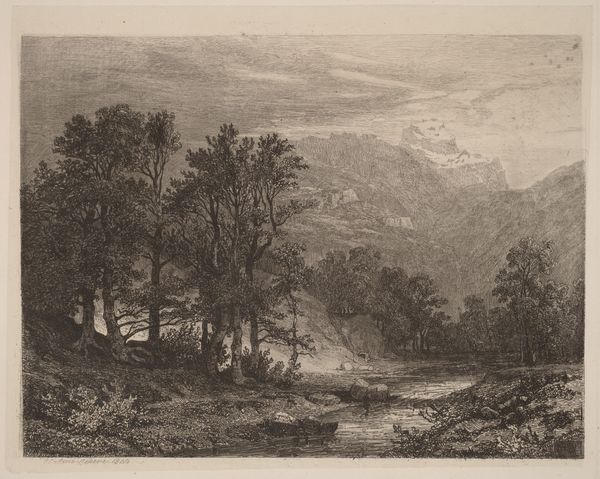
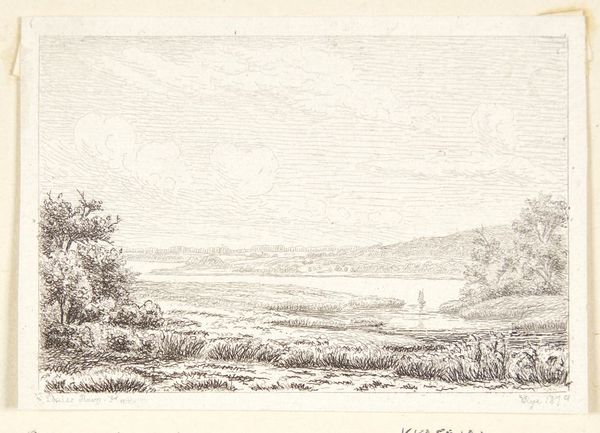
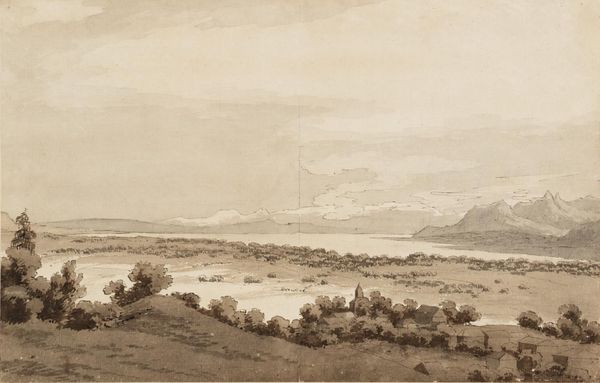
Jacob Ernst Marcus created this landscape scene with etching techniques. The carriage—or "rijtuig" as the Dutch would say—is dwarfed by the natural world, a visual testament to the growing fascination with nature in the Romantic era. But let's not be fooled by the apparent simplicity of the scene; the path leading to the carriage is a recurring motif in art history, a visual metaphor for life’s journey. Think of medieval paintings depicting the "path of virtue," or even Van Gogh’s roads winding through wheat fields. There is always a road to somewhere. This path, and the carriage, become vessels for our own hopes, fears, and expectations. Just as ancient labyrinths symbolized the complexities of the human condition, this path invites us to reflect on our own journeys. It's an emotional landscape, deeply embedded in our collective consciousness, that continues to resonate with our inner selves.