About this artwork
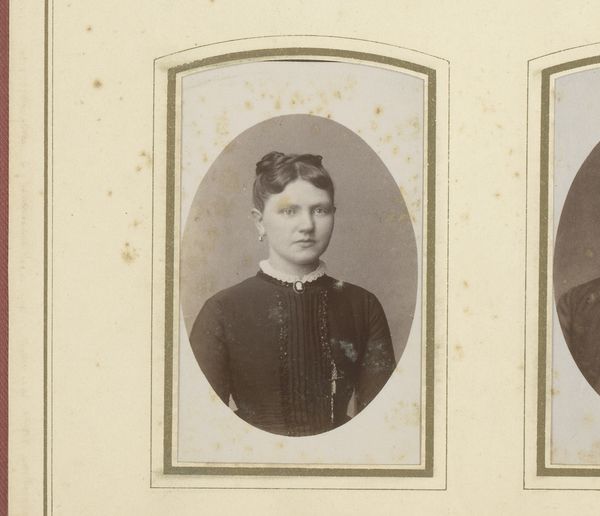
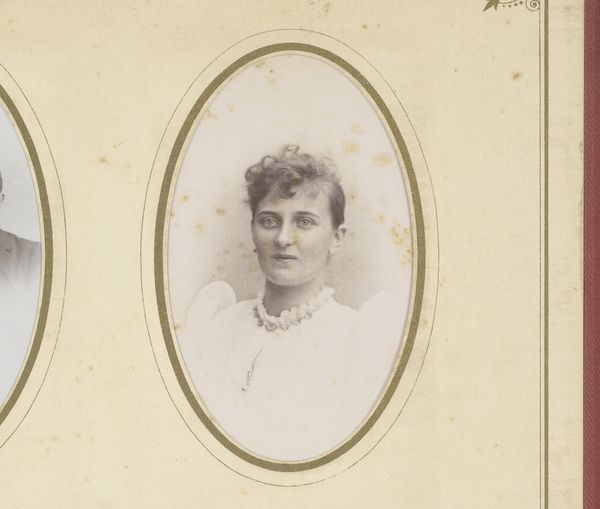
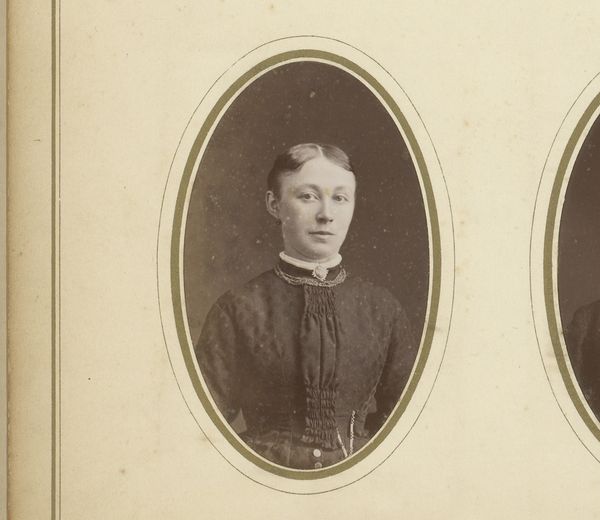
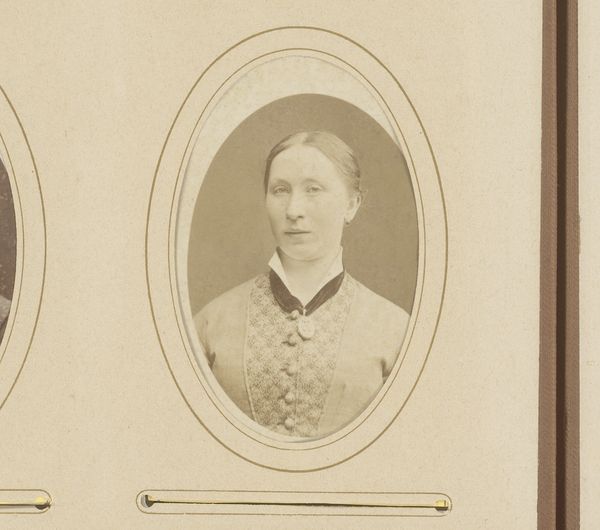
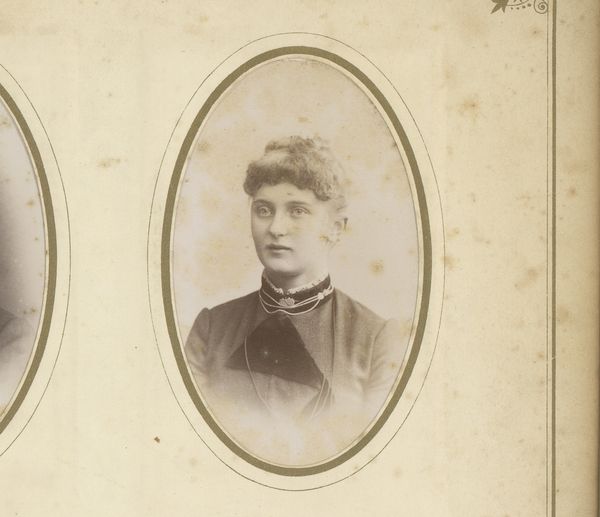
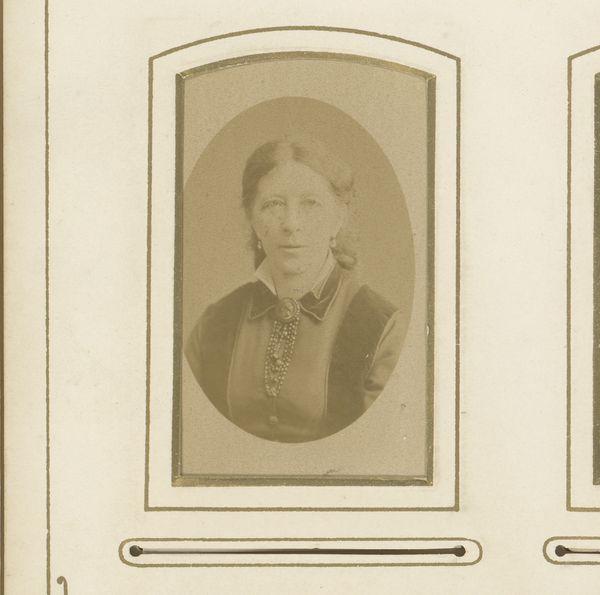
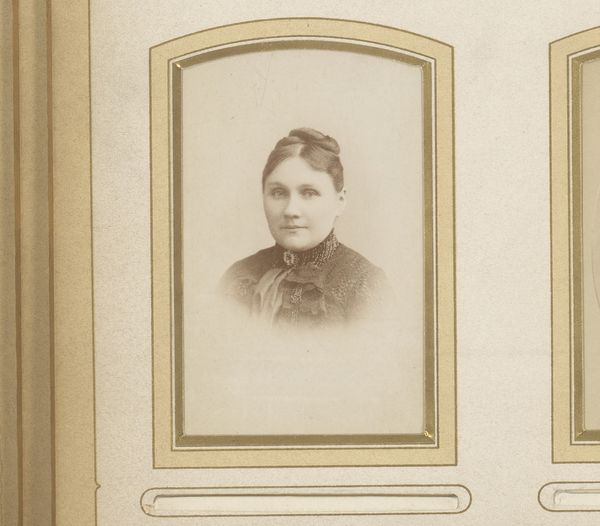
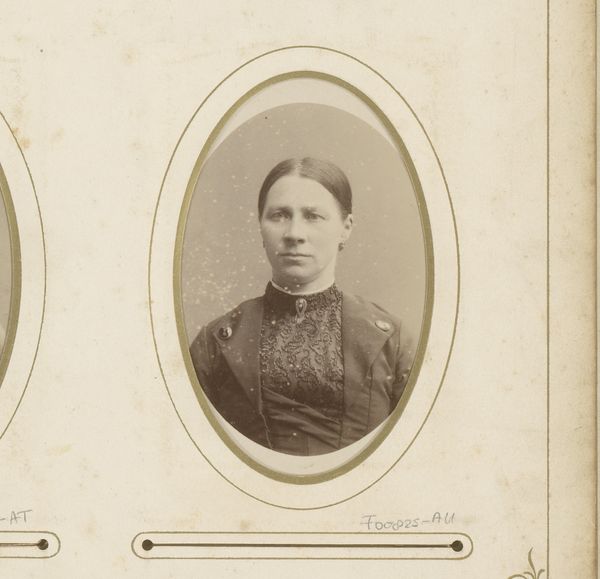
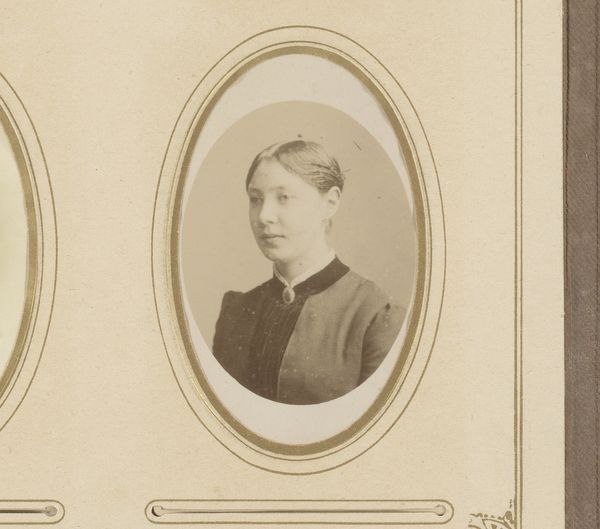
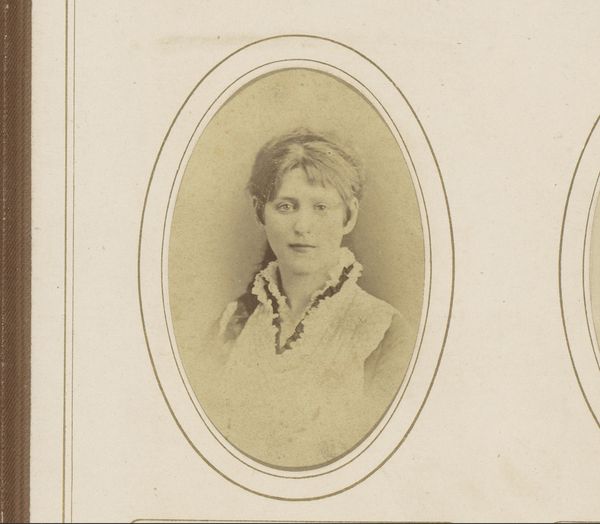
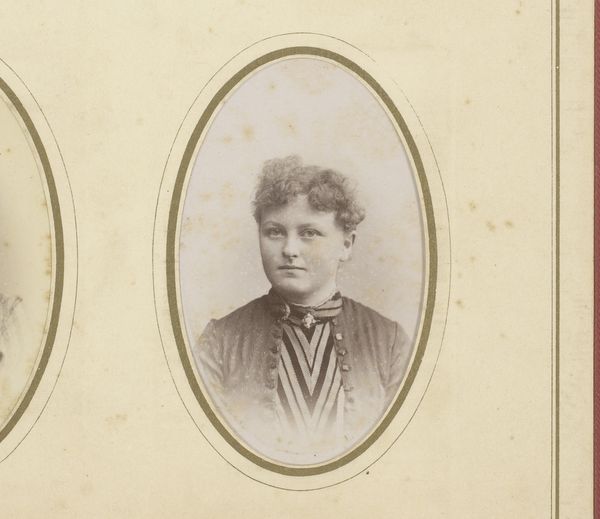
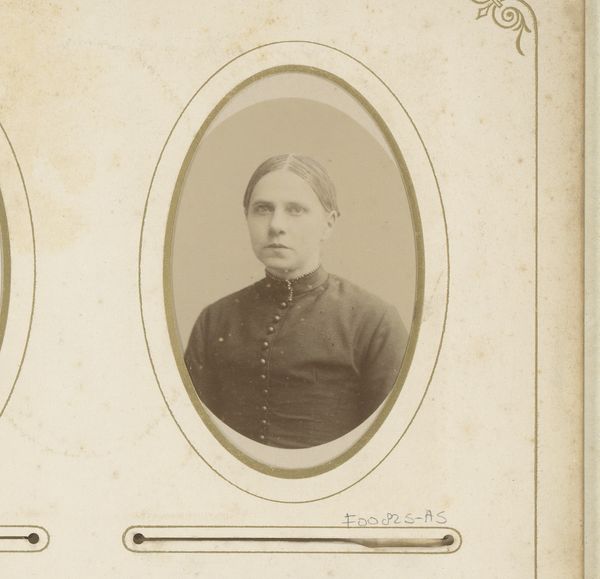
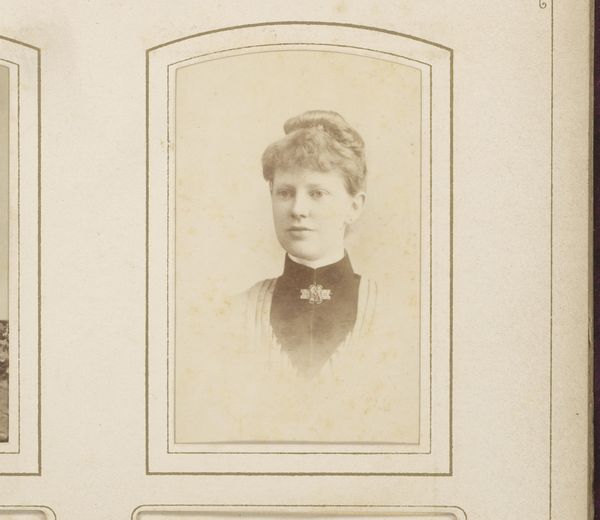
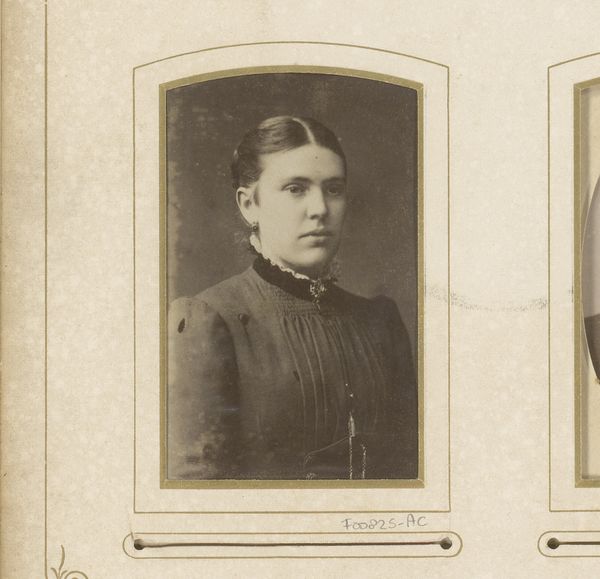
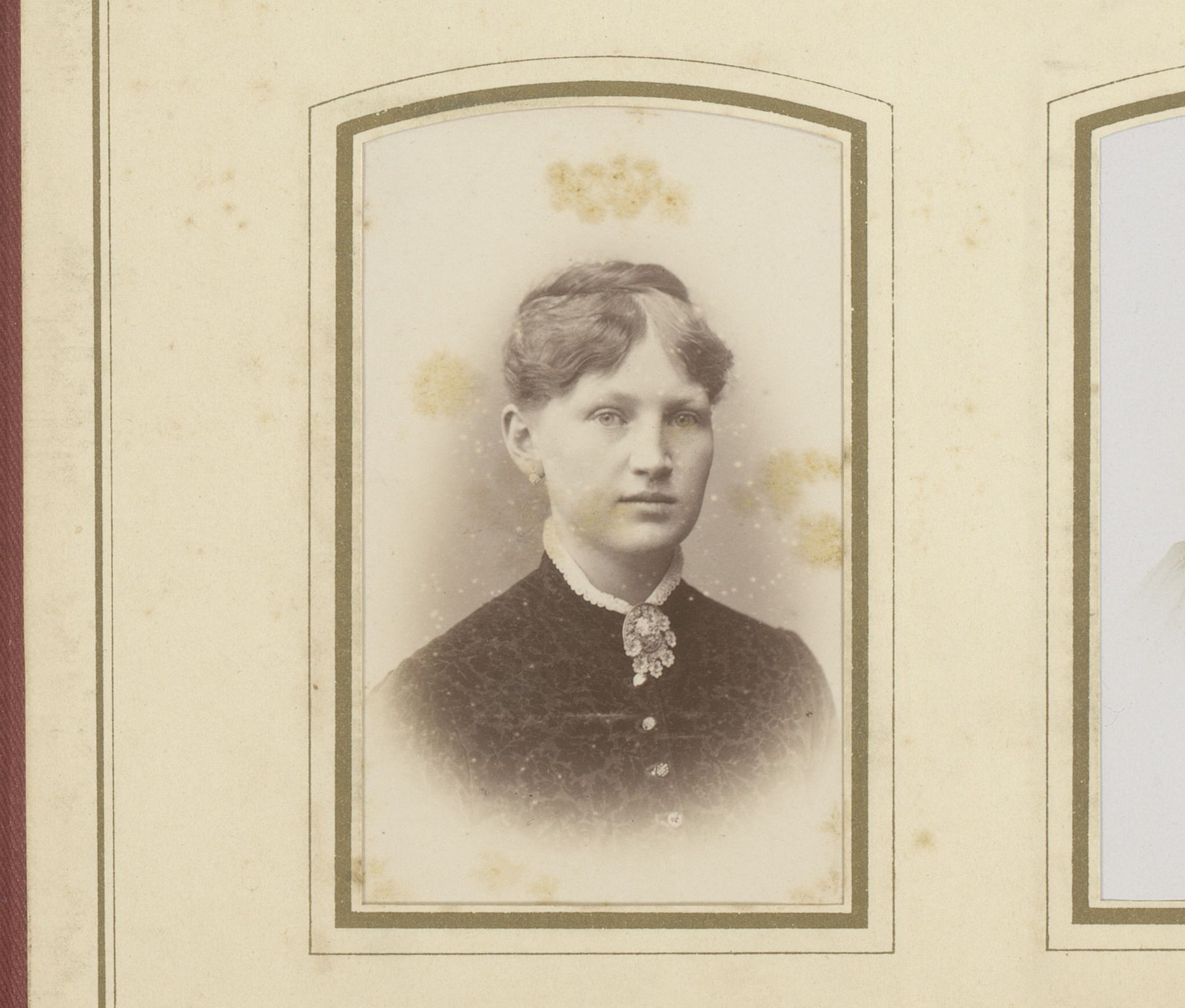
Friedrich Julius von Kolkow captured this photographic portrait of a young woman, though the exact date remains unknown. The photograph's meaning lies in the rise of the middle class in Europe, and the development of photographic technologies which changed representational conventions. As photography became more accessible, portraiture was no longer exclusively for the wealthy elite. Middle-class families commissioned images like this one to record their likenesses, and as a signifier of their social status. The woman's dress and jewelry reflect the fashions of the time, while her direct gaze is typical of photographic portraiture intended for personal use, conveying an image of respectability. Studying studio records, fashion archives, and social histories of photography can help us understand the cultural values embedded in this seemingly simple image. The social conditions of artistic production and reception, and the politics of imagery, can tell us much about the sitter's status.
Portret van een jonge vrouw 1876 - 1900

Friedrich Julius von Kolkow
1839 - 1914Location
RijksmuseumArtwork details
- Medium
- photography, gelatin-silver-print
- Dimensions
- height 87 mm, width 53 mm
- Location
- Rijksmuseum
- Copyright
- Rijks Museum: Open Domain
Tags
portrait
charcoal drawing
photography
gelatin-silver-print
watercolor
Comments
No comments
About this artwork
Friedrich Julius von Kolkow captured this photographic portrait of a young woman, though the exact date remains unknown. The photograph's meaning lies in the rise of the middle class in Europe, and the development of photographic technologies which changed representational conventions. As photography became more accessible, portraiture was no longer exclusively for the wealthy elite. Middle-class families commissioned images like this one to record their likenesses, and as a signifier of their social status. The woman's dress and jewelry reflect the fashions of the time, while her direct gaze is typical of photographic portraiture intended for personal use, conveying an image of respectability. Studying studio records, fashion archives, and social histories of photography can help us understand the cultural values embedded in this seemingly simple image. The social conditions of artistic production and reception, and the politics of imagery, can tell us much about the sitter's status.
Comments
No comments