About this artwork
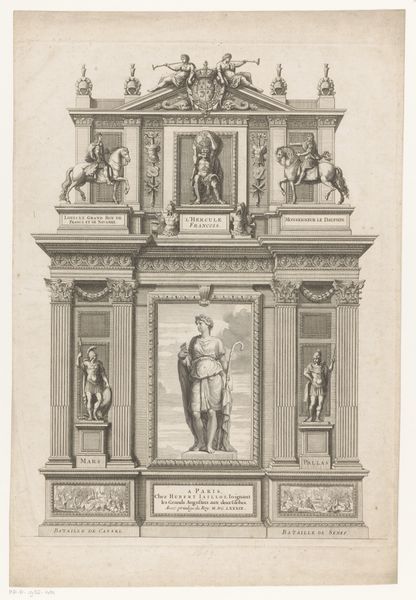
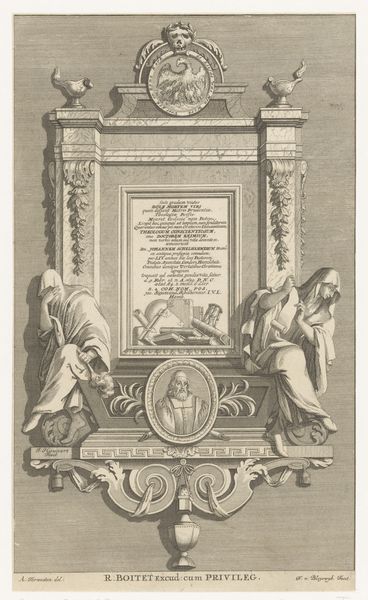
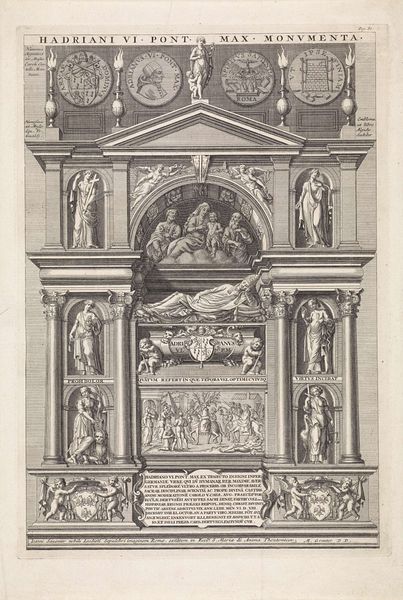
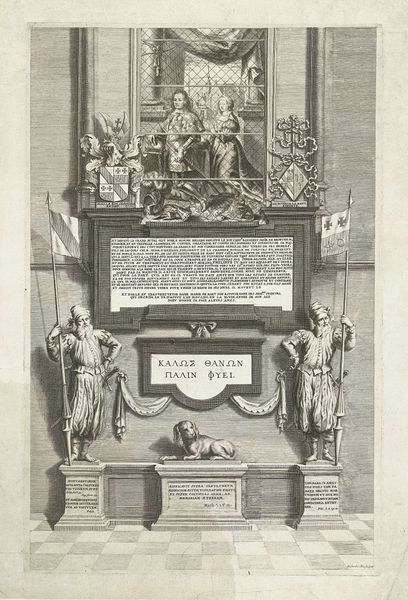
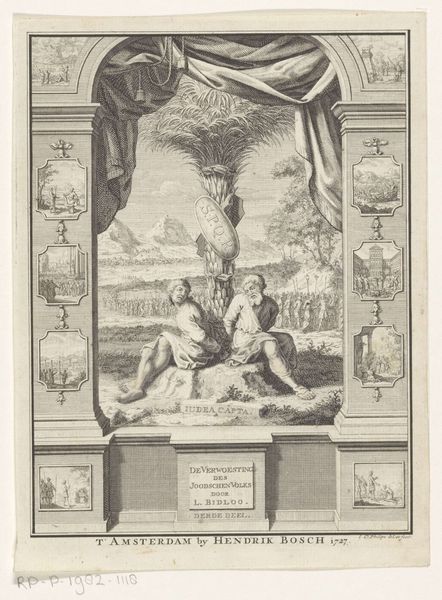
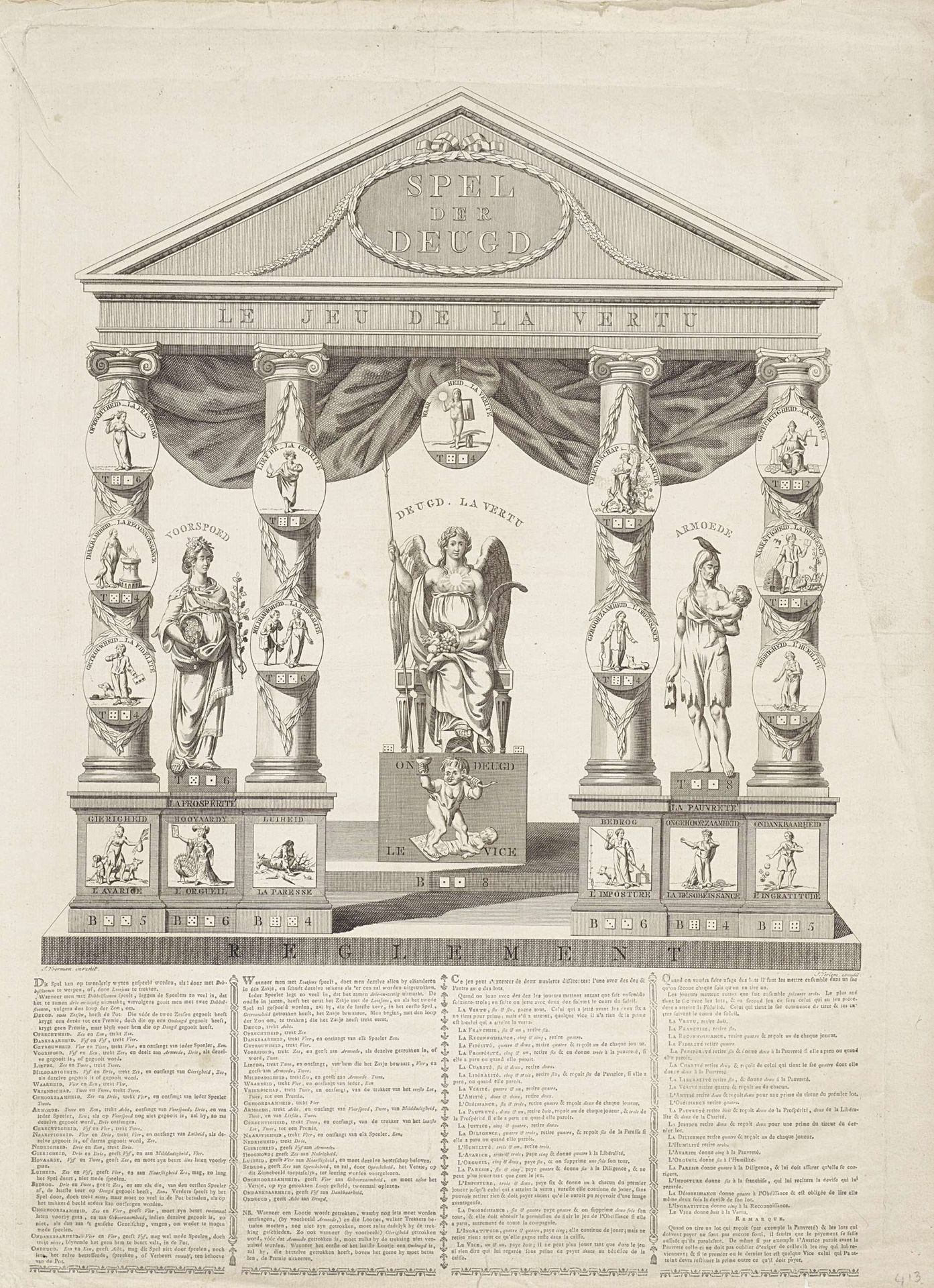
This print, made by Jan Gerritsz Visser, presents a board game dedicated to virtue. The image, with its elaborate columns and allegorical figures, speaks volumes about the cultural values of its time. Created in the Netherlands, likely during the late 18th century, this game reflects the Enlightenment's emphasis on reason and morality. Virtue, depicted centrally as a classical figure, is framed by columns adorned with symbols of desirable character traits. It's a visual embodiment of the era’s belief in self-improvement and the power of education to mold virtuous citizens. The rules of the game, printed below, underscore the importance of moral conduct in everyday life. To truly understand this print, we can research Dutch social customs and educational practices of the time. By examining period literature and game manuals, we can begin to understand how virtue was institutionalized and taught. The study of this game can illuminate the values that shaped Dutch society. It serves as a fascinating reminder of how art and entertainment can reflect and reinforce cultural norms.

Artwork details
- Medium
- print, engraving
- Dimensions
- height 569 mm, width 380 mm
- Location
- Rijksmuseum
- Copyright
- Rijks Museum: Open Domain
Tags
Comments
Share your thoughts
About this artwork
This print, made by Jan Gerritsz Visser, presents a board game dedicated to virtue. The image, with its elaborate columns and allegorical figures, speaks volumes about the cultural values of its time. Created in the Netherlands, likely during the late 18th century, this game reflects the Enlightenment's emphasis on reason and morality. Virtue, depicted centrally as a classical figure, is framed by columns adorned with symbols of desirable character traits. It's a visual embodiment of the era’s belief in self-improvement and the power of education to mold virtuous citizens. The rules of the game, printed below, underscore the importance of moral conduct in everyday life. To truly understand this print, we can research Dutch social customs and educational practices of the time. By examining period literature and game manuals, we can begin to understand how virtue was institutionalized and taught. The study of this game can illuminate the values that shaped Dutch society. It serves as a fascinating reminder of how art and entertainment can reflect and reinforce cultural norms.
Comments
Share your thoughts