About this artwork
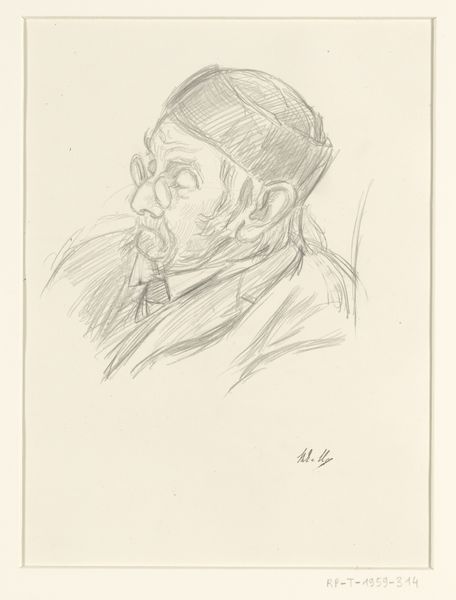
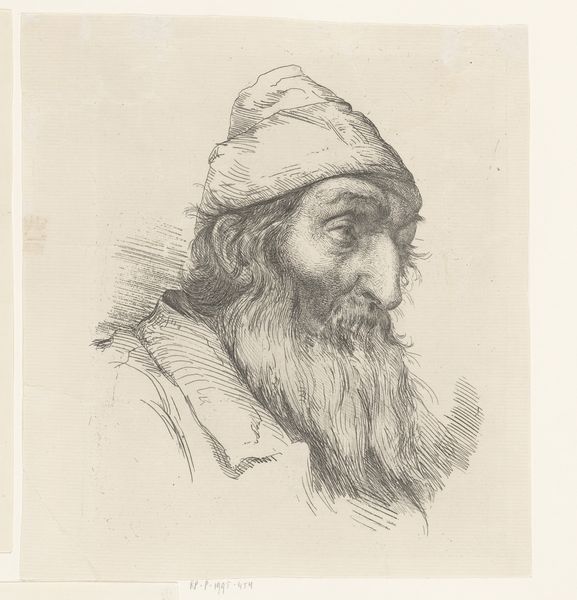
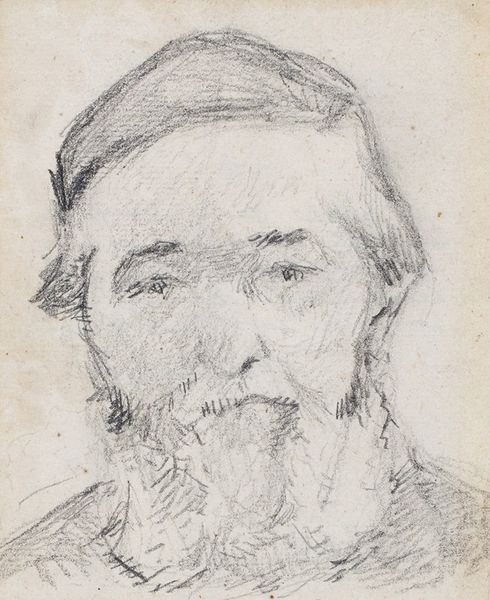
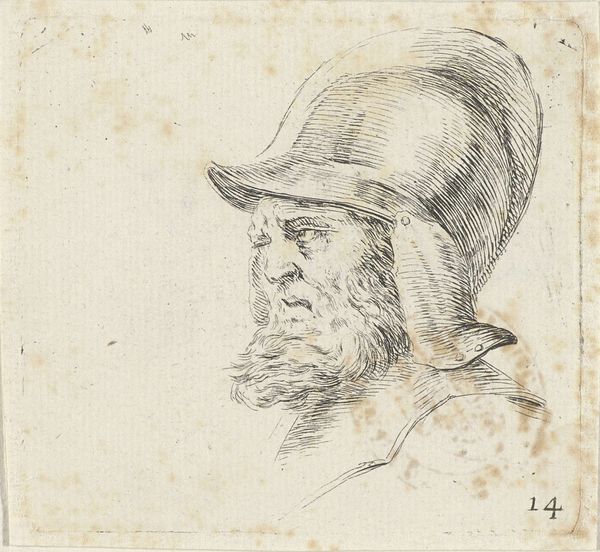
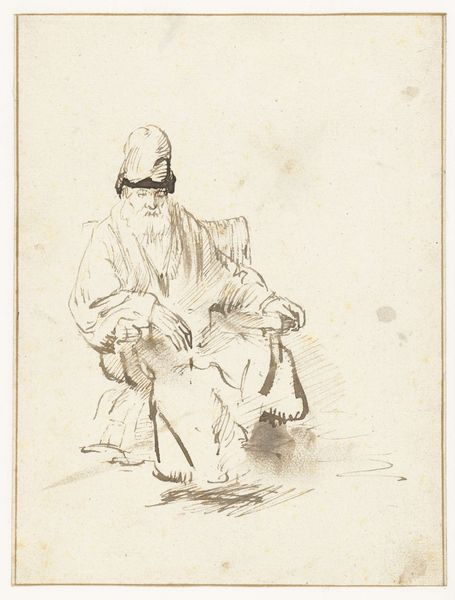
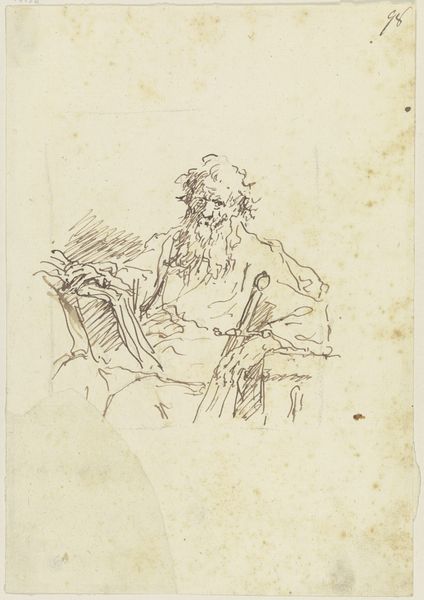
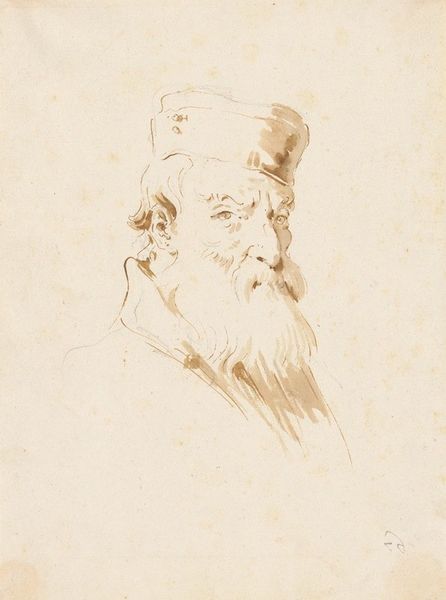
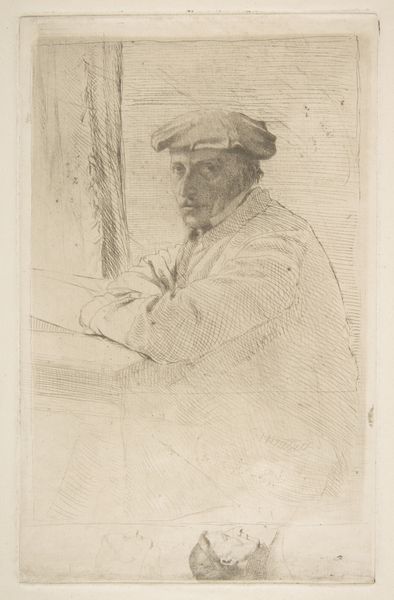
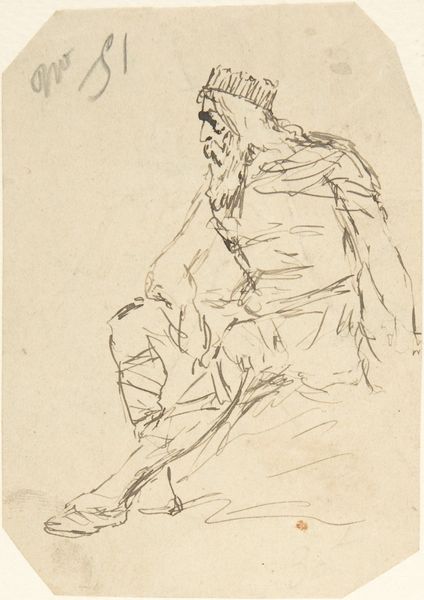
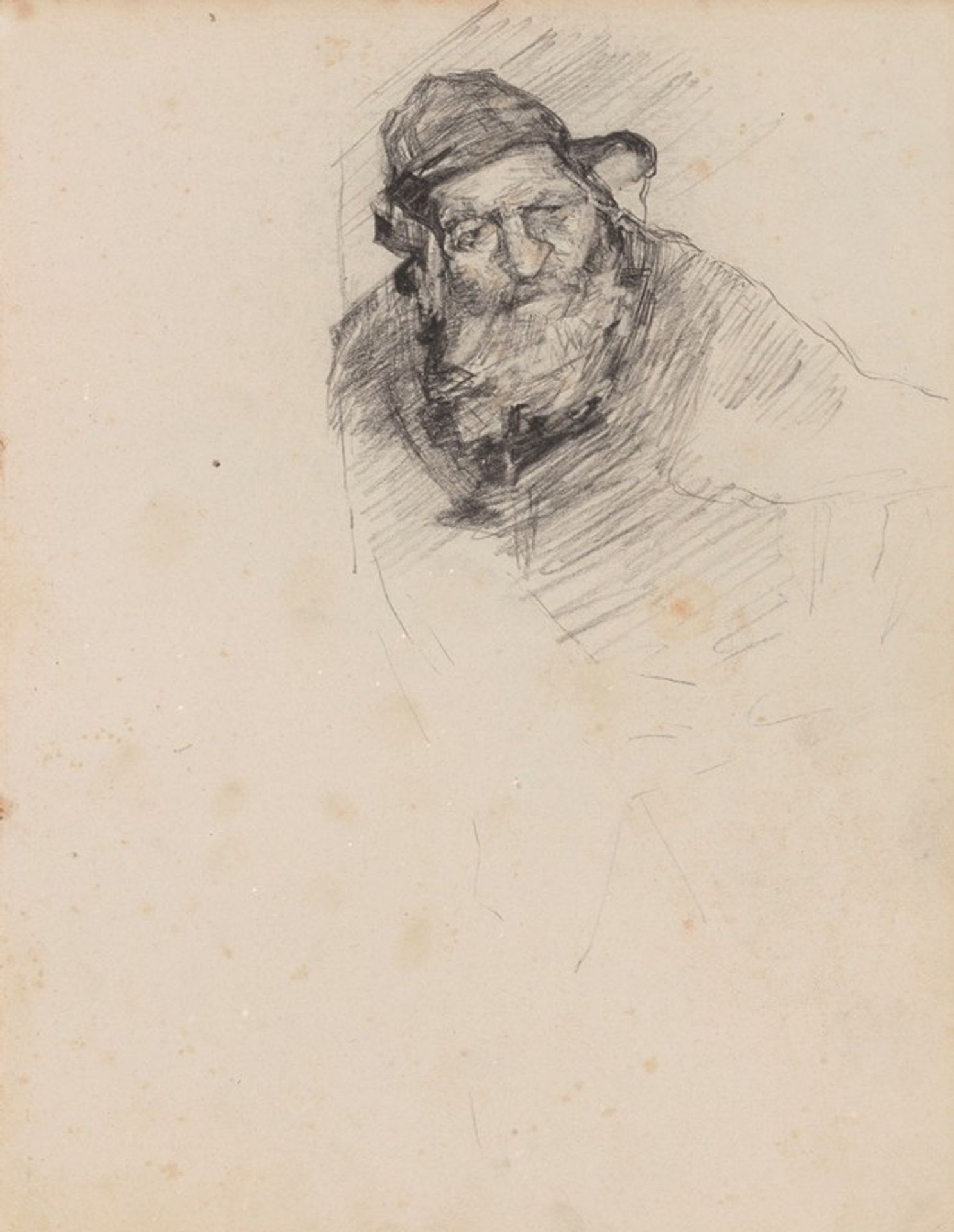
James Ensor made this drawing, Man in a Hat, using graphite on paper. Look closely, and you’ll see a network of lines – some dark, some light – that describe this figure. The artist's hand is evident in every stroke, with varied line weights and hatching techniques that render the form and texture of the man's face, hat, and clothing. The choice of graphite as a medium imbues the work with a sense of immediacy and directness, connecting us to the artist's process. The quickness of drawing also evokes the social context of late 19th and early 20th century urban life, in which the artist might have rapidly sketched the subject. It is a medium that could easily capture the everyday life of ordinary people. By considering the material and the means by which the artwork was made, we can better understand the meaning of the work.

Artwork details
- Medium
- drawing, pencil
- Copyright
- Public Domain: Artvee
Tags
portrait
pencil drawn
drawing
amateur sketch
light pencil work
impressionism
pencil sketch
personal sketchbook
pencil drawing
detailed observational sketch
pencil
sketchbook drawing
portrait drawing
pencil work
Comments
Be the first to share your thoughts about this work.
About this artwork
James Ensor made this drawing, Man in a Hat, using graphite on paper. Look closely, and you’ll see a network of lines – some dark, some light – that describe this figure. The artist's hand is evident in every stroke, with varied line weights and hatching techniques that render the form and texture of the man's face, hat, and clothing. The choice of graphite as a medium imbues the work with a sense of immediacy and directness, connecting us to the artist's process. The quickness of drawing also evokes the social context of late 19th and early 20th century urban life, in which the artist might have rapidly sketched the subject. It is a medium that could easily capture the everyday life of ordinary people. By considering the material and the means by which the artwork was made, we can better understand the meaning of the work.
Comments
Be the first to share your thoughts about this work.