About this artwork
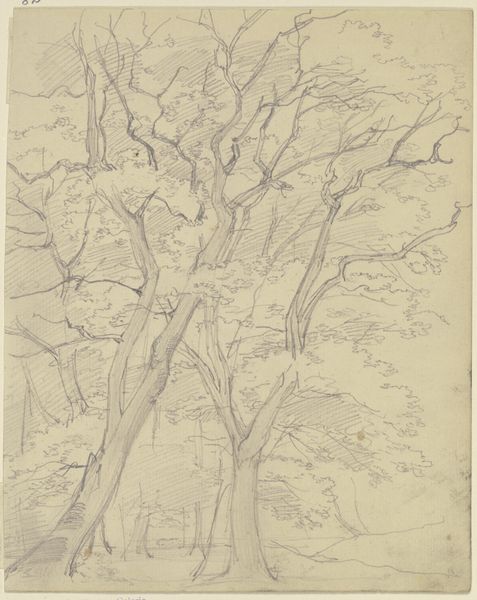
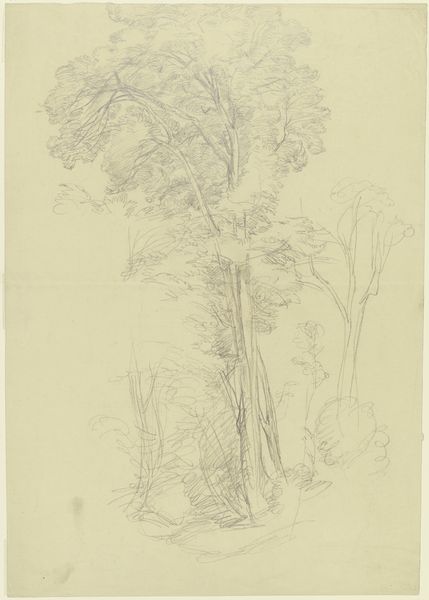
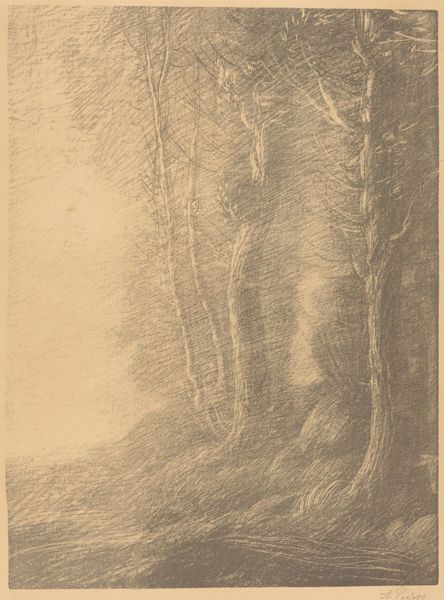
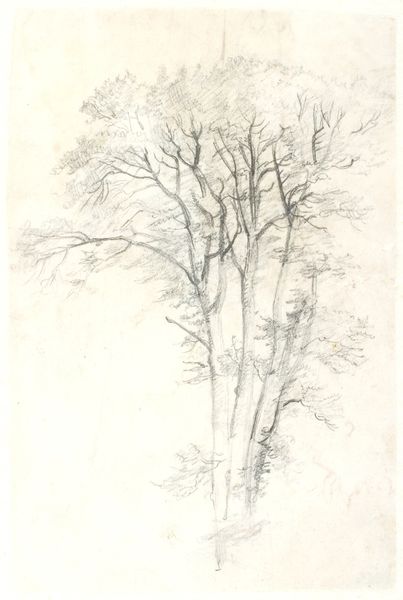
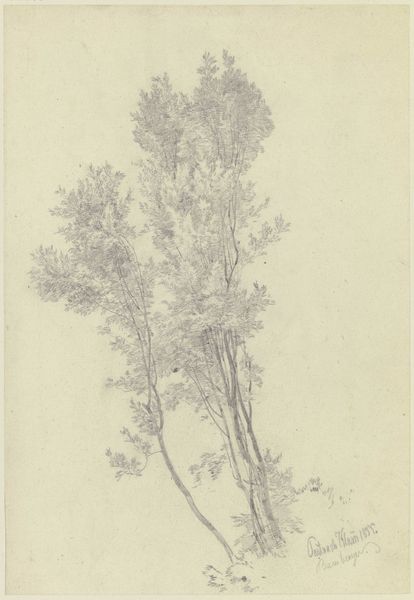
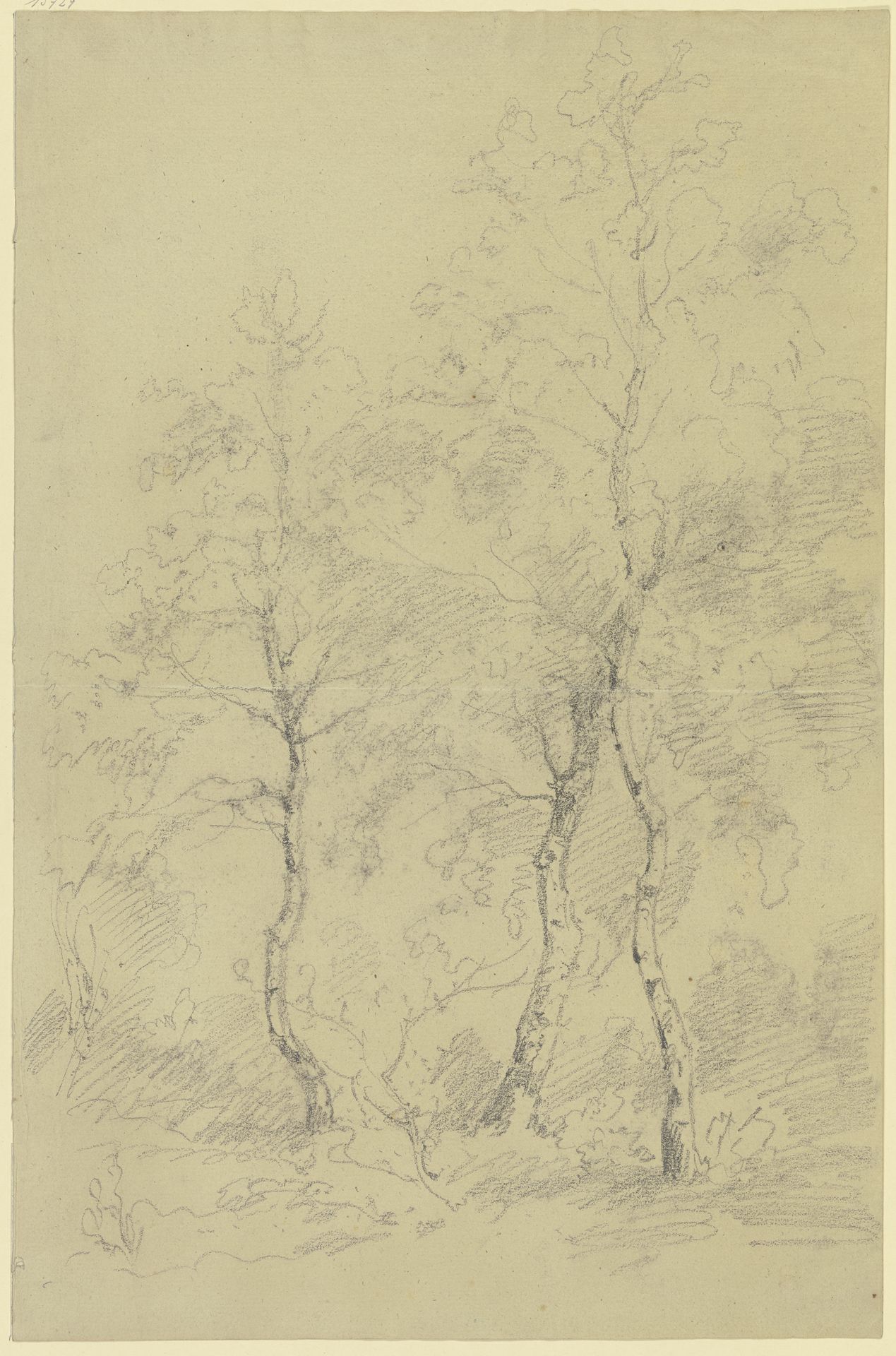
This is Karl Peter Burnitz's drawing "Three Birch Trees" held at the Städel Museum. Notice how the composition is structured around a central cluster of birch trees, rendered with delicate pencil strokes. The lines vary in pressure and direction, creating a sense of depth and texture. Burnitz captures the verticality of the trees against a softer, indeterminate background. The precision of the trunks contrasts with the more diffuse rendering of the foliage, playing with positive and negative space. The composition employs a strategic arrangement of line and tone, destabilizing traditional landscape conventions by focusing on the structural elements of the trees. The drawing transforms natural forms into a study of shape and structure, inviting us to reconsider our perception of landscape. It highlights the aesthetic possibilities within seemingly simple subjects. The drawing’s formal qualities ultimately serve as a lens through which to view the natural world.


Artwork details
- Medium
- drawing, paper, pencil
- Location
- Städel Museum
- Copyright
- Public Domain
Tags
drawing
landscape
etching
paper
pencil
Comments
No comments
About this artwork
This is Karl Peter Burnitz's drawing "Three Birch Trees" held at the Städel Museum. Notice how the composition is structured around a central cluster of birch trees, rendered with delicate pencil strokes. The lines vary in pressure and direction, creating a sense of depth and texture. Burnitz captures the verticality of the trees against a softer, indeterminate background. The precision of the trunks contrasts with the more diffuse rendering of the foliage, playing with positive and negative space. The composition employs a strategic arrangement of line and tone, destabilizing traditional landscape conventions by focusing on the structural elements of the trees. The drawing transforms natural forms into a study of shape and structure, inviting us to reconsider our perception of landscape. It highlights the aesthetic possibilities within seemingly simple subjects. The drawing’s formal qualities ultimately serve as a lens through which to view the natural world.
Comments
No comments