About this artwork
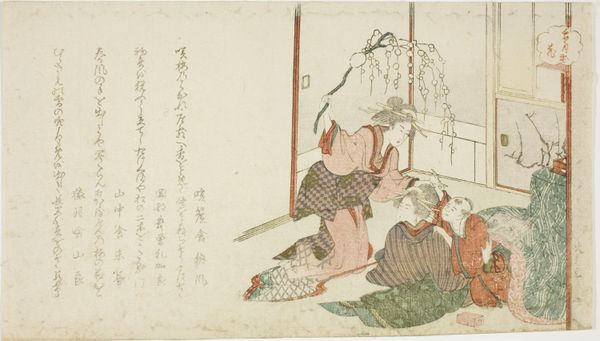
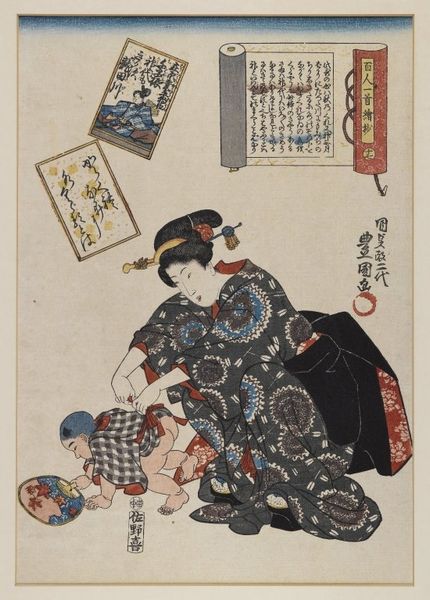
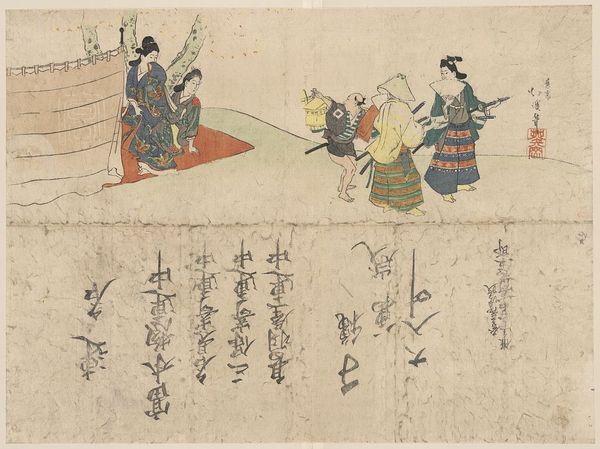
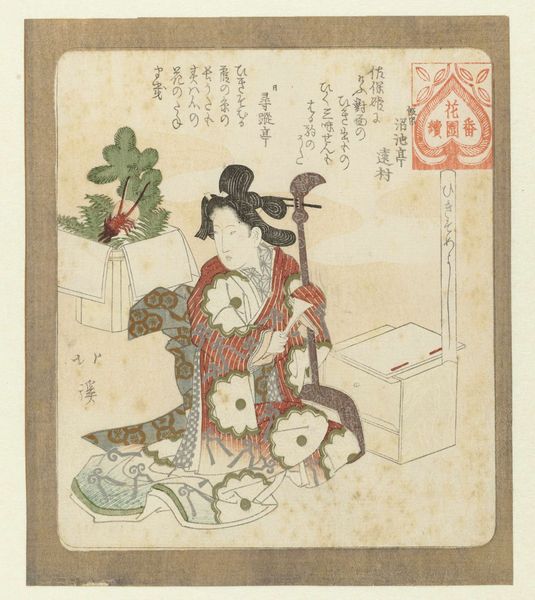
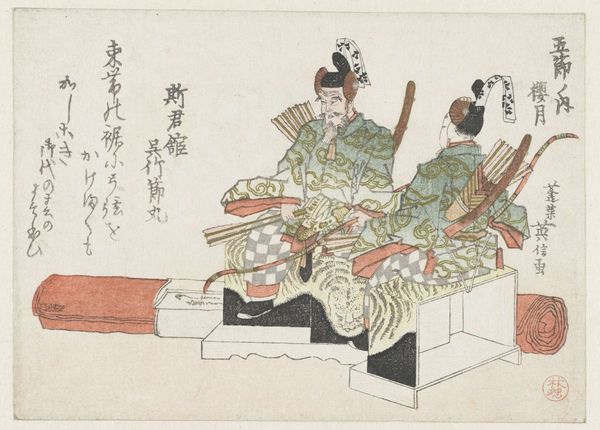
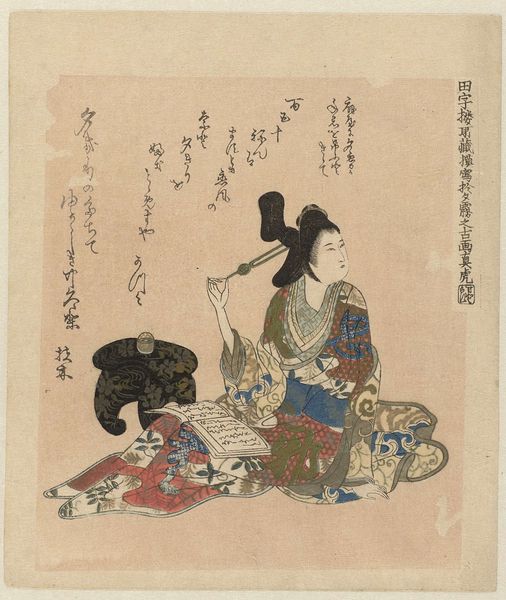
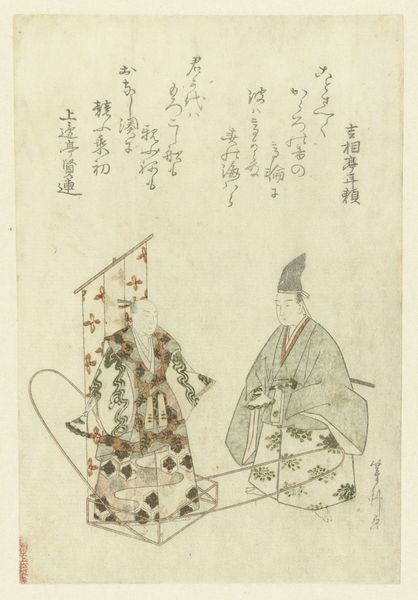
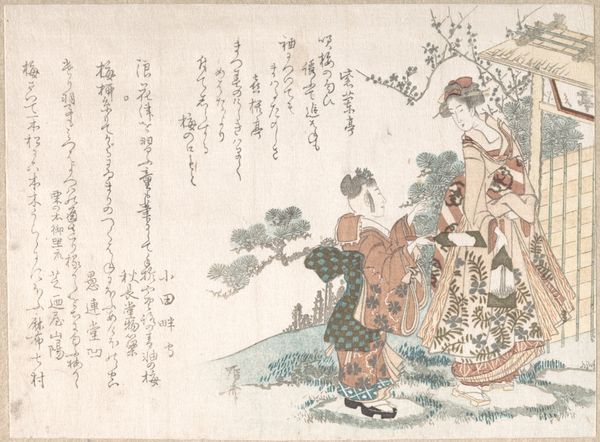
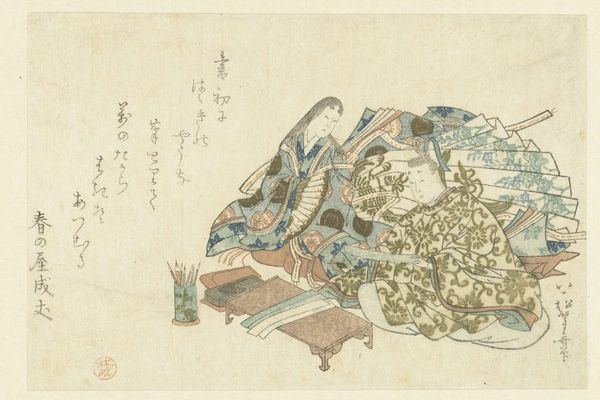
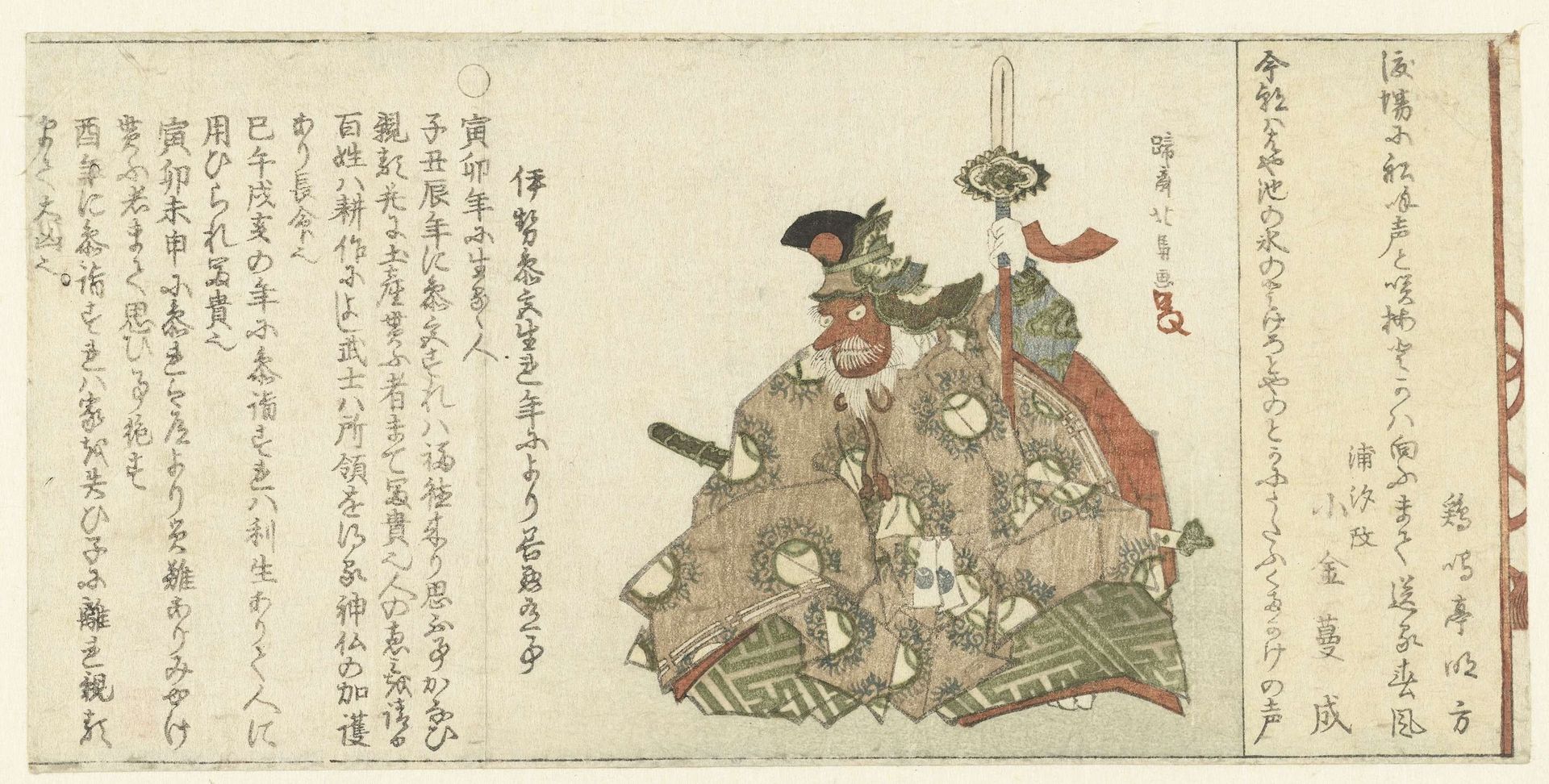
This woodblock print by Teisai Hokuba, made in Japan sometime between 1771 and 1844, shows a Bugaku dancer in costume. Bugaku is a traditional Japanese dance form that has been performed at the Imperial Court for over 1200 years. In Hokuba’s time, Japan was ruled by the Tokugawa shogunate, a military dictatorship that enforced a strict social hierarchy. The shogunate also promoted a policy of isolationism, limiting contact with the outside world. However, despite these restrictions, Japanese culture flourished during this period. This print is a product of its time, reflecting both the conservative values of the shogunate and the vibrant artistic scene of the Edo period. The image creates meaning through visual codes, cultural references, and historical associations. Understanding this artwork requires that we consult historical sources and study the social conditions that shaped its production. By doing so, we can gain a deeper appreciation of the artwork and its place in history.

Artwork details
- Medium
- drawing, print, paper, ink, woodblock-print
- Dimensions
- height 125 mm, width 253 mm
- Copyright
- Rijks Museum: Open Domain
Tags
portrait
drawing
asian-art
landscape
ukiyo-e
figuration
paper
ink
woodblock-print
Comments
No comments
About this artwork
This woodblock print by Teisai Hokuba, made in Japan sometime between 1771 and 1844, shows a Bugaku dancer in costume. Bugaku is a traditional Japanese dance form that has been performed at the Imperial Court for over 1200 years. In Hokuba’s time, Japan was ruled by the Tokugawa shogunate, a military dictatorship that enforced a strict social hierarchy. The shogunate also promoted a policy of isolationism, limiting contact with the outside world. However, despite these restrictions, Japanese culture flourished during this period. This print is a product of its time, reflecting both the conservative values of the shogunate and the vibrant artistic scene of the Edo period. The image creates meaning through visual codes, cultural references, and historical associations. Understanding this artwork requires that we consult historical sources and study the social conditions that shaped its production. By doing so, we can gain a deeper appreciation of the artwork and its place in history.
Comments
No comments