1854 - 1859
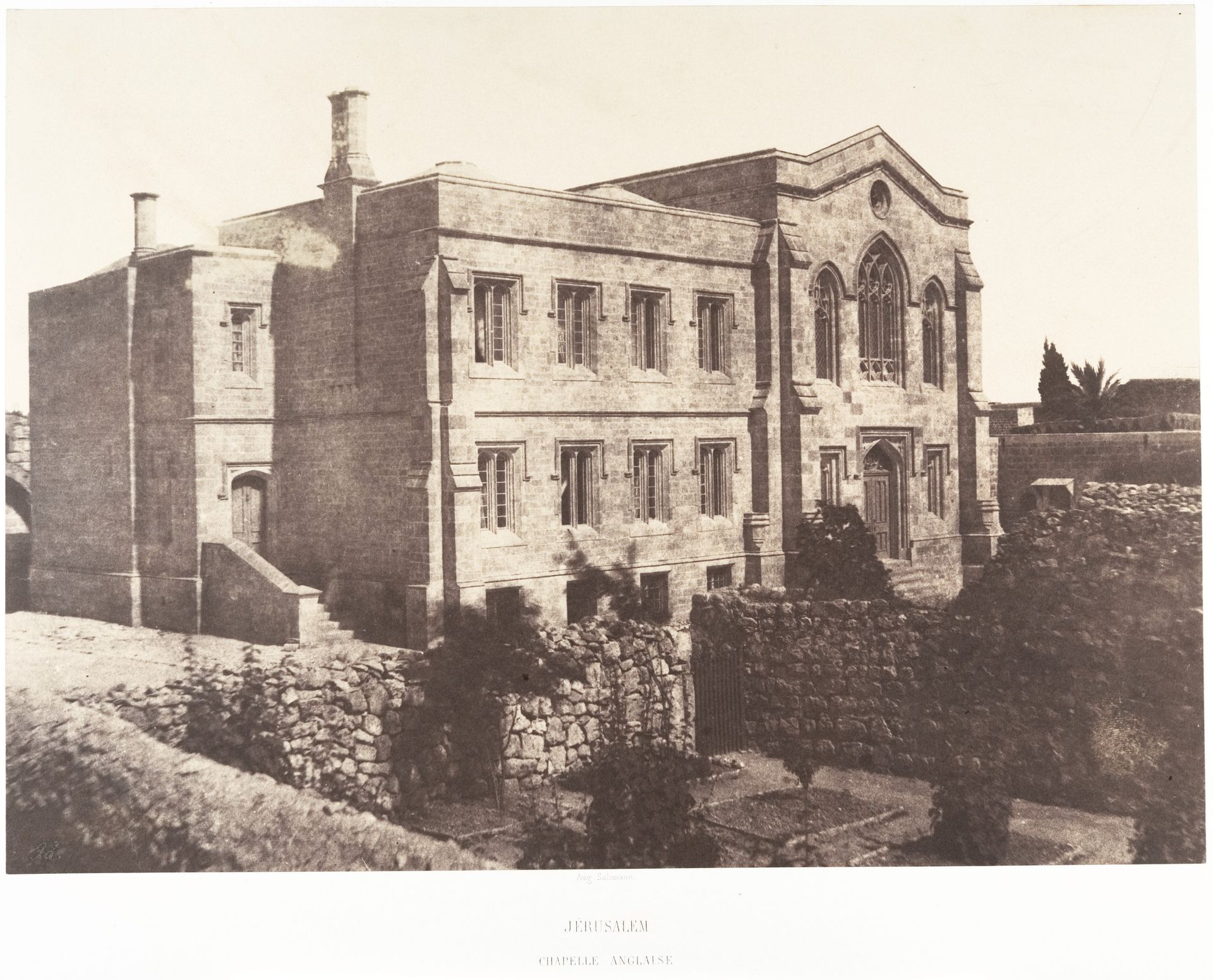
Jérusalem, Chapelle anglaise


Listen to curator's interpretation
Curatorial notes
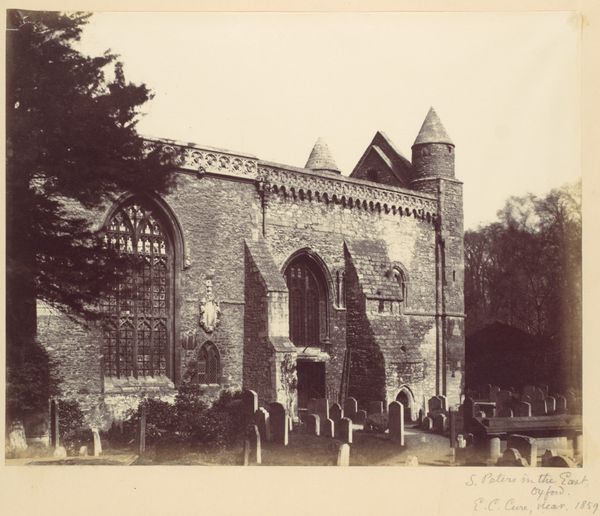
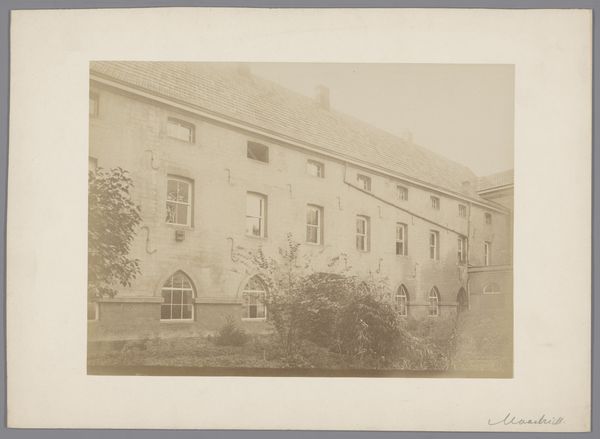
This photograph of the English Chapel in Jerusalem was made by Auguste Salzmann, using the salted paper process. A relatively early photographic technique, it involves coating paper with a silver nitrate solution, making it light-sensitive. The resulting print, as you can see, has a soft, slightly grainy texture, and a warm, sepia tone. What’s fascinating about this image is how it marries a new industrial process—photography—with a very old subject. The chapel itself, with its gothic windows and sturdy stone construction, speaks to centuries of craft and building traditions. Salzmann's choice of photography, a technology then just a few decades old, allowed him to capture architectural details with remarkable precision. Consider, too, the social context: Salzmann was commissioned to document the Holy Land, bringing back images for a European audience hungry for visual evidence of biblical history. This photograph, therefore, is not just a record of a building. It’s a product of its time, reflecting the intersection of technology, religion, and colonial interests. It challenges any simple distinction between art, documentation, and commerce.