About this artwork
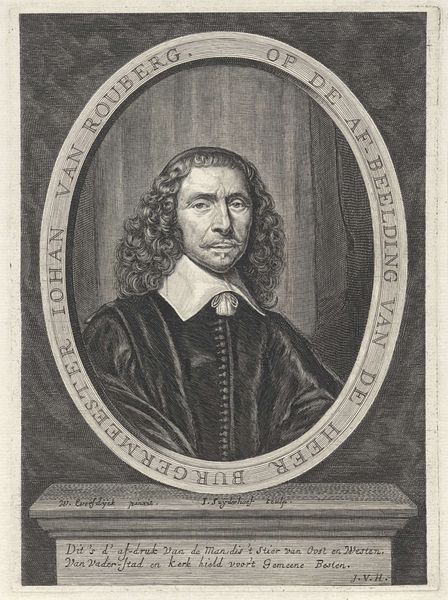
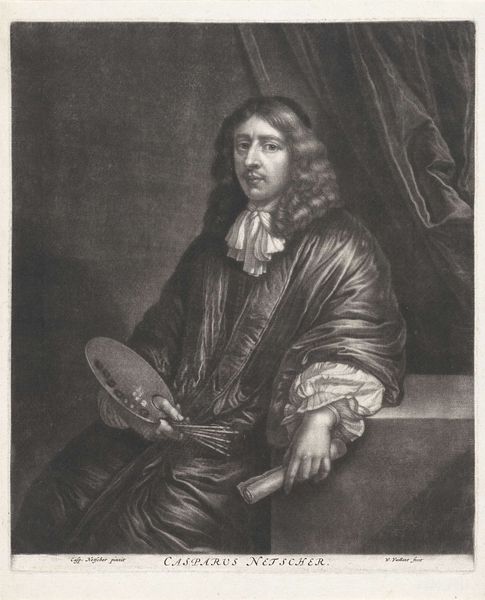
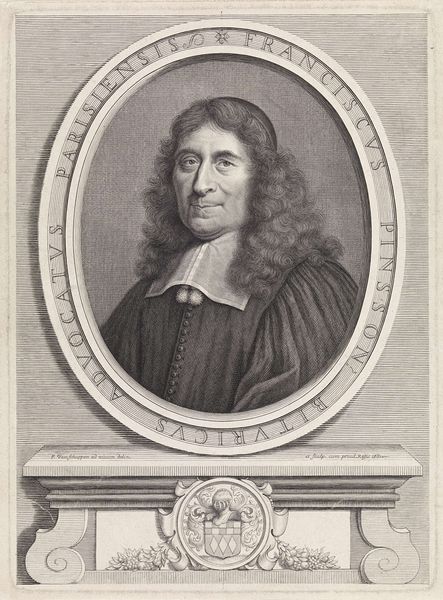
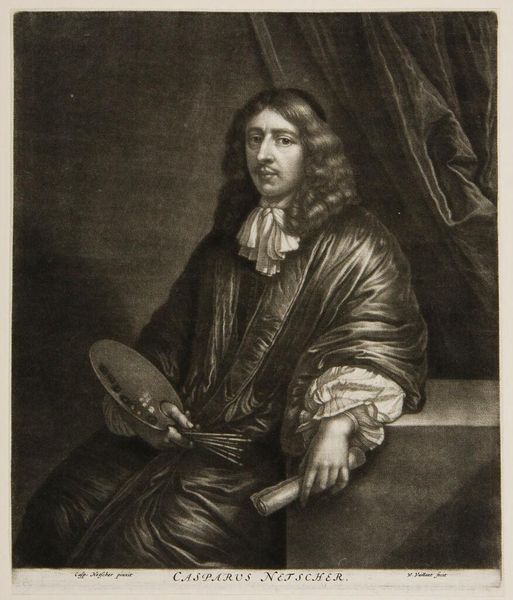
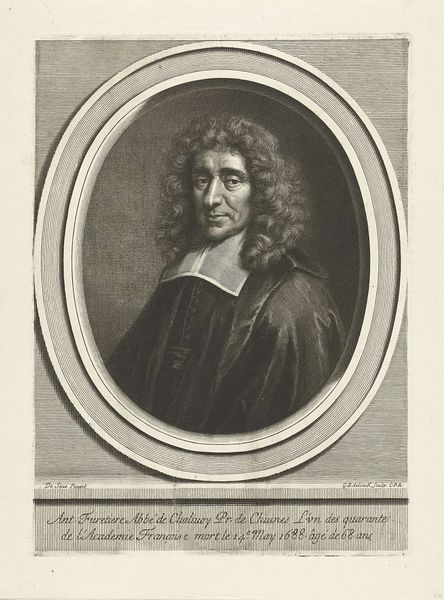
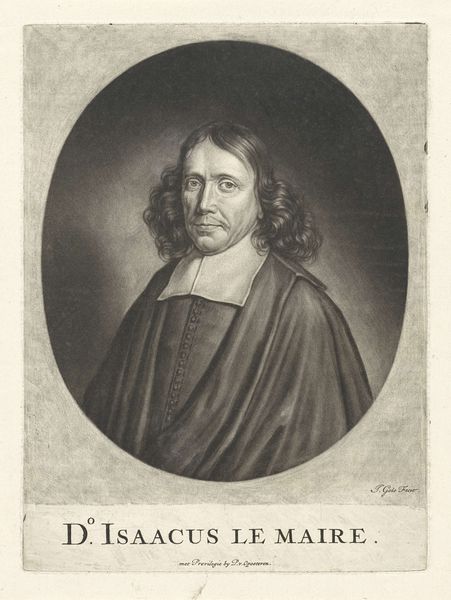
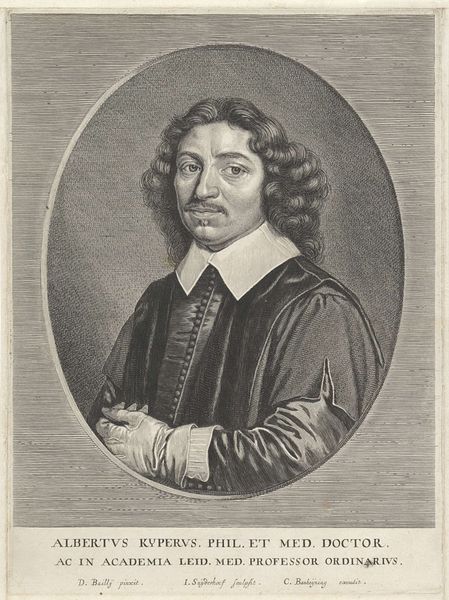
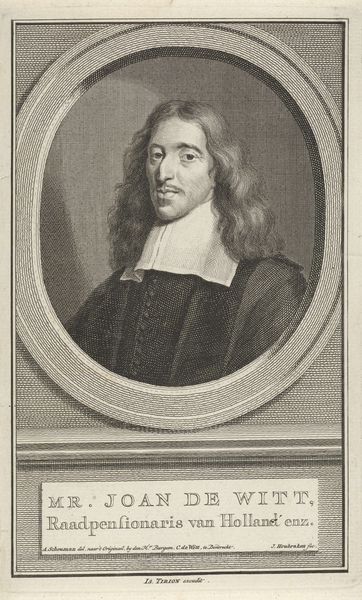
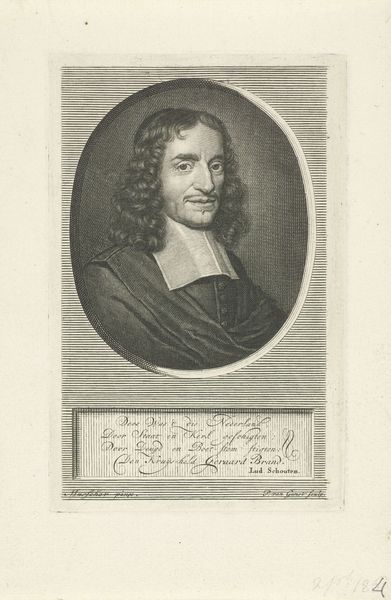
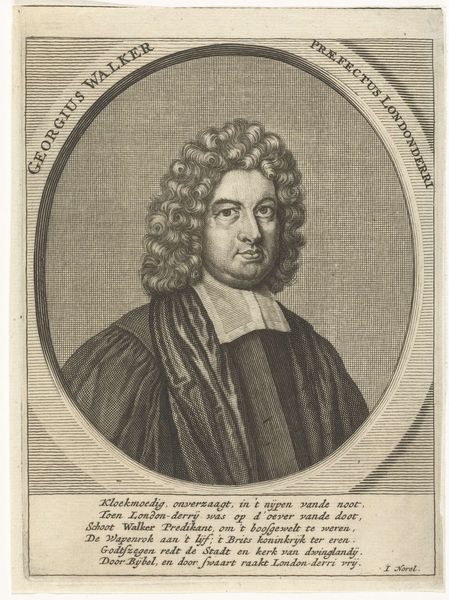
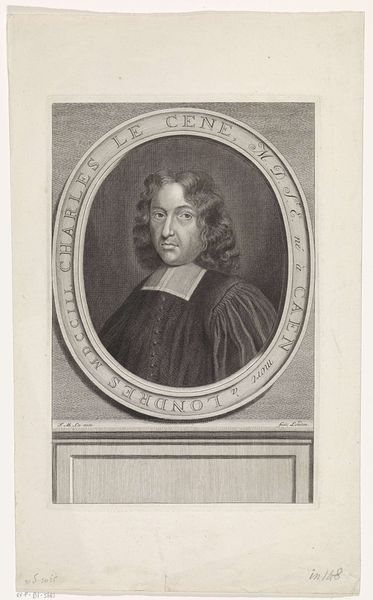
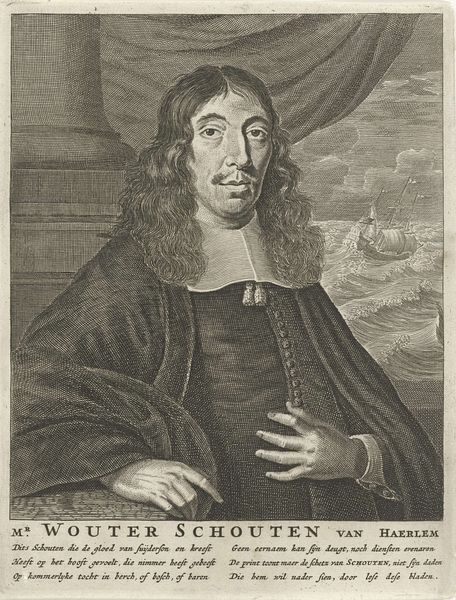
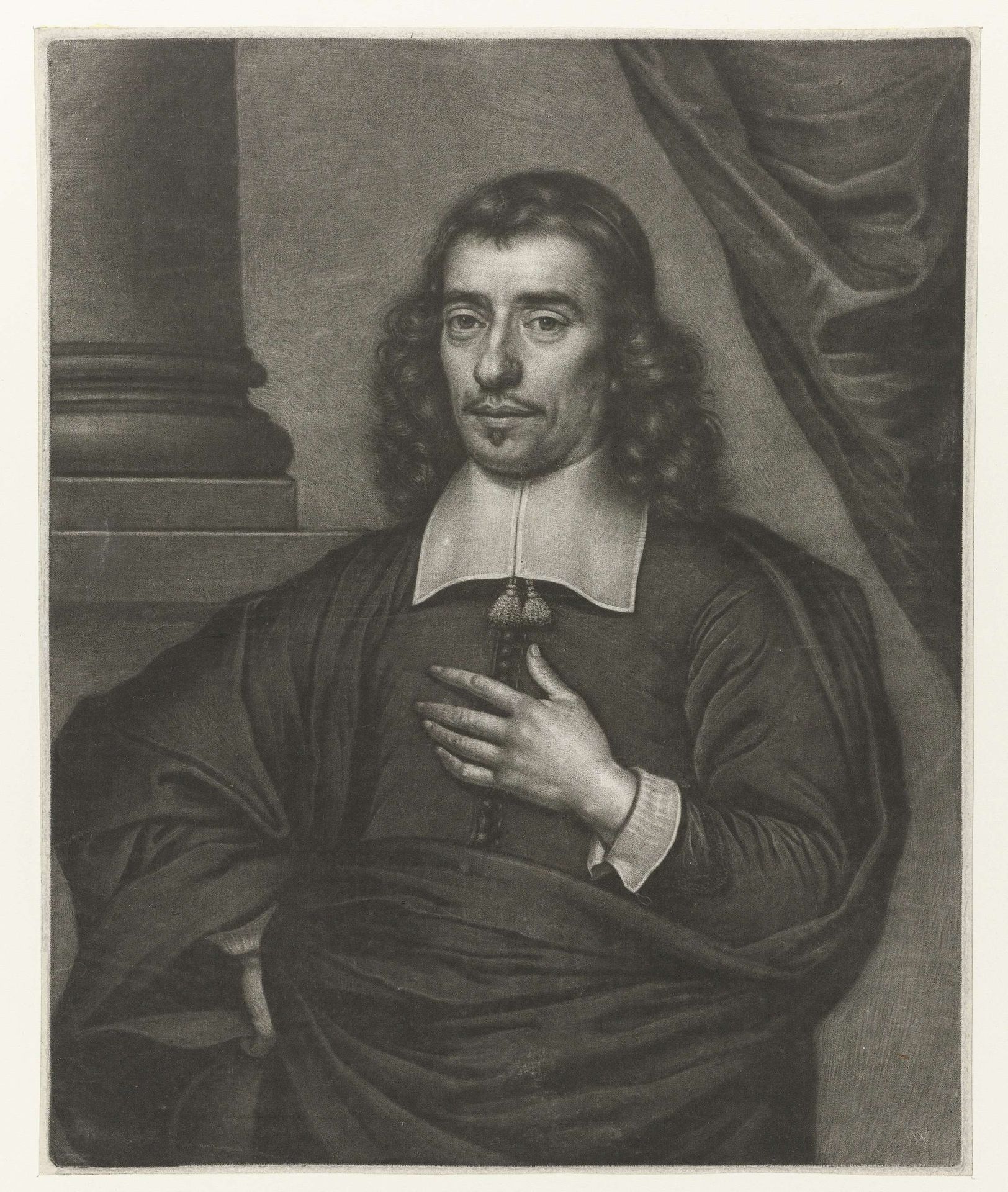
Wallerant Vaillant created this mezzotint portrait of an unknown clergyman in the Netherlands during the 17th century. It captures the formal appearance expected of religious figures, yet invites questions about the individual's role within the societal landscape of the time. Vaillant's work provides a window into the religious and social hierarchies prevalent during the Dutch Golden Age. The clergyman's attire, with its austere collar and dark robe, is carefully rendered to signal authority. However, the lack of identifying symbols or any specific reference to a religious order invites inquiry: Was the clergyman a progressive voice? Or, was he deeply conservative? To fully understand the artwork, we need to explore Dutch religious history of the era, along with the institutional settings in which such portraits were commissioned and displayed. Scrutinizing period documents such as church records and personal letters can help us understand the role of religious figures. This is key to revealing the complex interplay between individual identity and social expectation captured in Vaillant's intriguing portrait.
Portret van een onbekende geestelijke 1658 - 1677

Wallerant Vaillant
1623 - 1677Location
RijksmuseumArtwork details
- Medium
- drawing, print, engraving
- Dimensions
- height 291 mm, width 236 mm
- Location
- Rijksmuseum
- Copyright
- Rijks Museum: Open Domain
Tags
portrait
drawing
baroque
dutch-golden-age
charcoal drawing
line
portrait drawing
engraving
Comments
No comments
About this artwork
Wallerant Vaillant created this mezzotint portrait of an unknown clergyman in the Netherlands during the 17th century. It captures the formal appearance expected of religious figures, yet invites questions about the individual's role within the societal landscape of the time. Vaillant's work provides a window into the religious and social hierarchies prevalent during the Dutch Golden Age. The clergyman's attire, with its austere collar and dark robe, is carefully rendered to signal authority. However, the lack of identifying symbols or any specific reference to a religious order invites inquiry: Was the clergyman a progressive voice? Or, was he deeply conservative? To fully understand the artwork, we need to explore Dutch religious history of the era, along with the institutional settings in which such portraits were commissioned and displayed. Scrutinizing period documents such as church records and personal letters can help us understand the role of religious figures. This is key to revealing the complex interplay between individual identity and social expectation captured in Vaillant's intriguing portrait.
Comments
No comments