1610 - 1642
Triumph of Bacchus


Listen to curator's interpretation
Curatorial notes
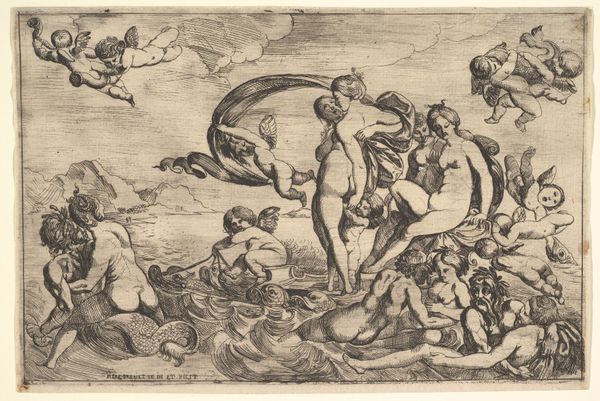
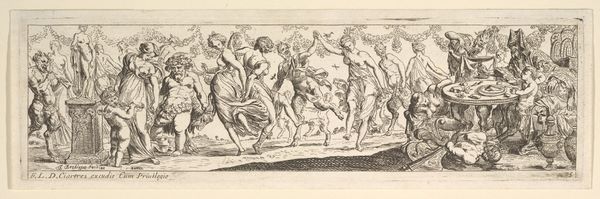
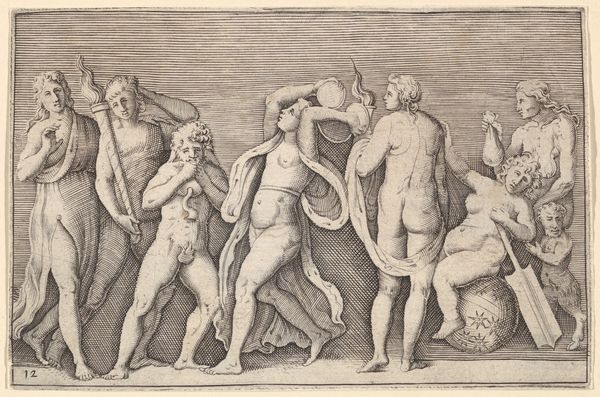
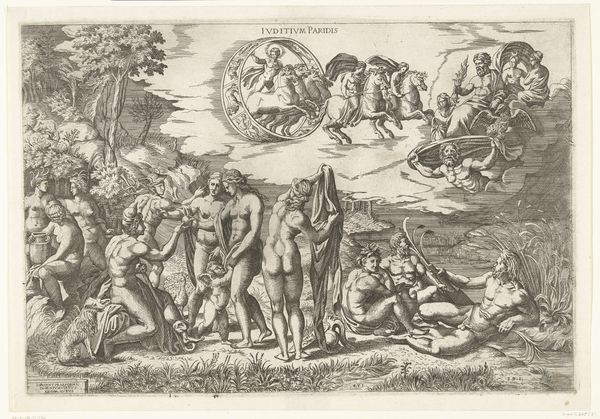
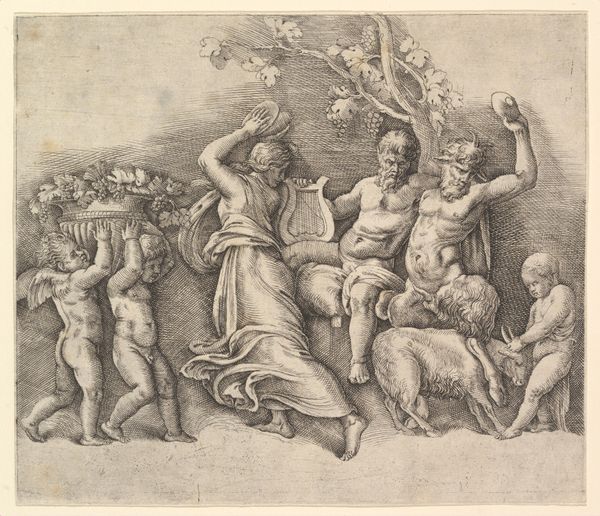
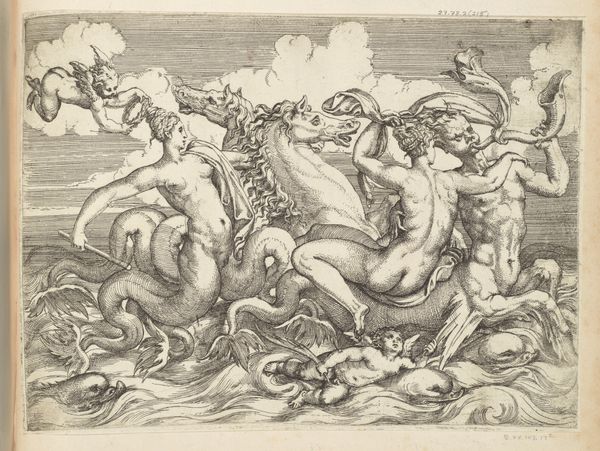
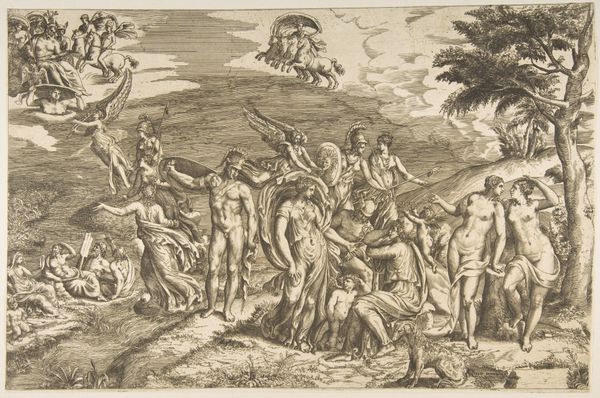
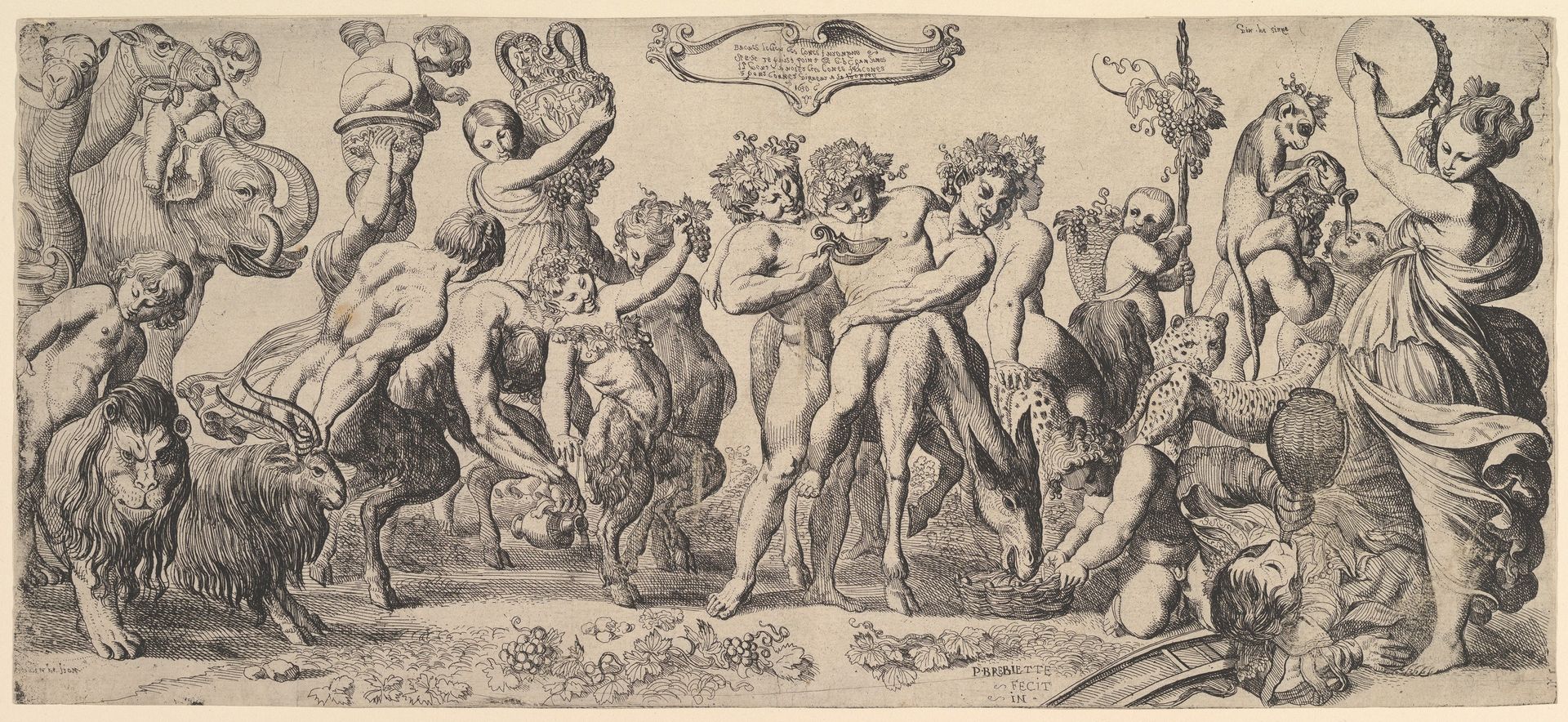
Pierre Brebiette made this print, "Triumph of Bacchus," sometime in the 17th century using the etching technique. The design is bitten into a metal plate with acid, then printed – a mechanical process allowing for widespread distribution of images. Look closely, and you can see how the etched lines define the forms, creating a rich, almost feverish density of texture. This effect is heightened by the subject matter: a riotous procession honoring Bacchus, the god of wine, fertility, and theatre. The scene is teeming with figures – satyrs, nymphs, animals both real and fantastical. It’s a controlled frenzy, made all the more potent by the precision of the line work. Brebiette’s choice of etching as a medium reflects a changing landscape in the art world. Prints allowed artists to circulate their ideas, reaching a broader audience beyond the elite circles of painting and sculpture, and to participate in a developing market for images. In that context, a print like this one is not just a work of art, but an artifact of its time.