1965 - 1970
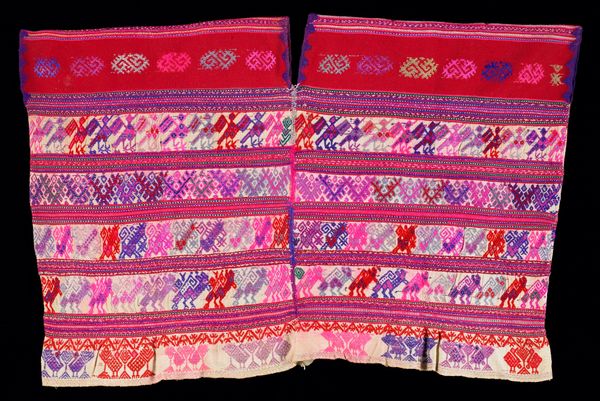
Cloth (tzute)


Listen to curator's interpretation
Curatorial notes
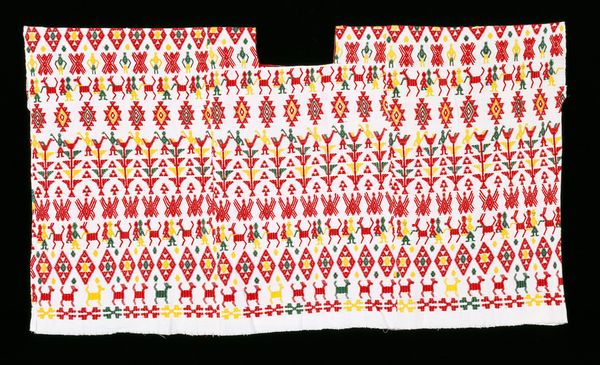
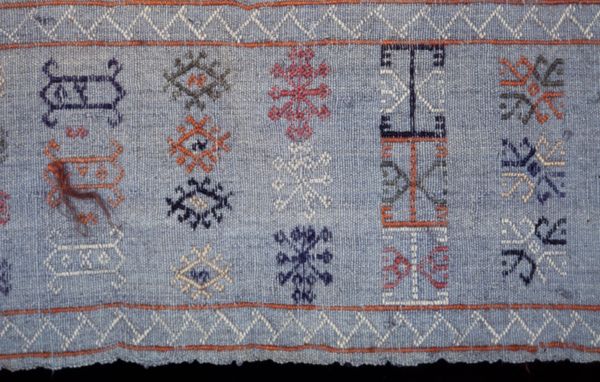
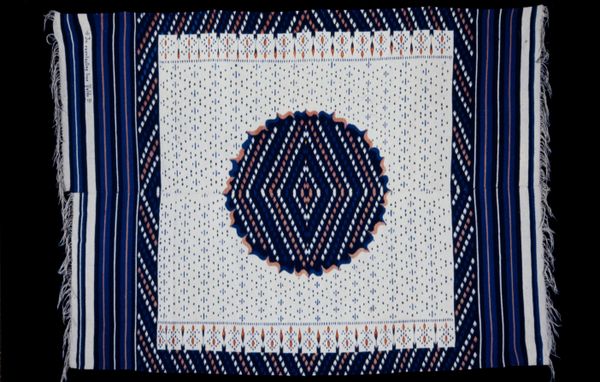
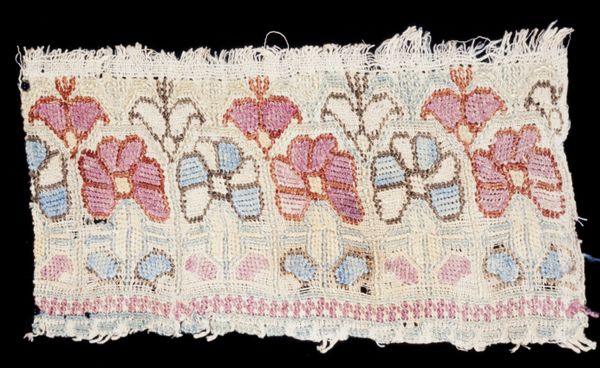
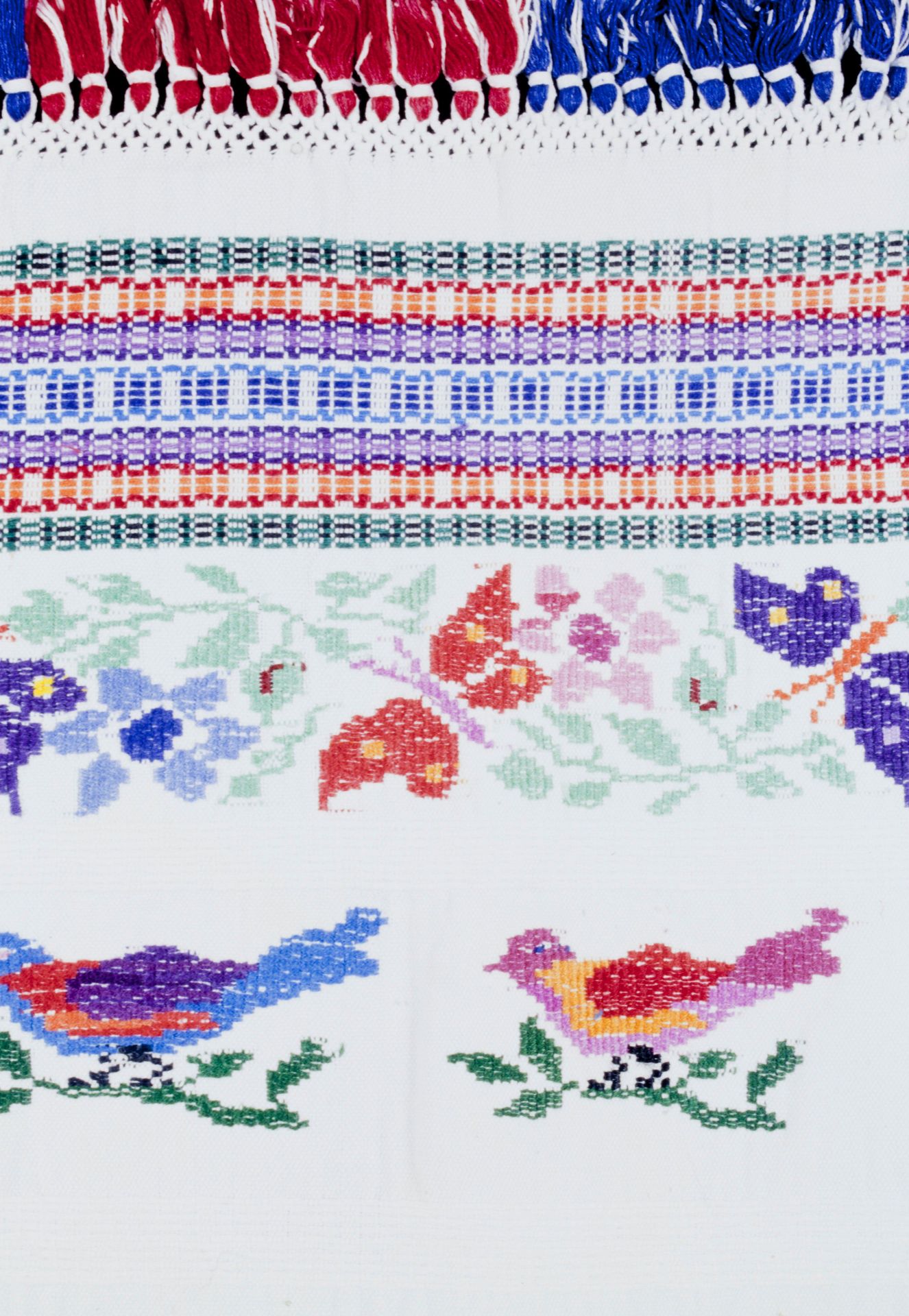
Editor: Okay, next up we have "Cloth (tzute)," a textile from sometime between 1965 and 1970, location Minneapolis Institute of Art. The tags mention cotton and weaving, and, wow, it is just so full of life, you know? All those colours, all those shapes! How do you read this piece? Curator: What I see first is a powerful assertion of cultural identity and resilience. This tzute, created by Maya artists, isn't merely decorative. It embodies generations of history and resistance, a quiet rebellion woven into the very fabric. Think about the political climate of that time, the struggles for indigenous rights... how do you see those patterns reflecting the broader sociopolitical landscape? Editor: Hmmm, interesting! I guess I hadn't considered how the… almost pixelated designs of butterflies and birds could speak to those bigger themes. Does the act of weaving itself carry significance? Curator: Absolutely! Weaving, particularly for Maya women, is historically and continues to be a vital form of cultural preservation. It's a way of transmitting ancestral knowledge, stories, and cosmologies. Each motif, each colour choice, represents something deeply meaningful. Can we decode some of these symbols maybe by diving deeper into Maya cultural symbols? How else might we consider gender dynamics? Editor: I didn't even think about gender. It’s fascinating how one object can hold so much history. Thinking about this cloth, not just as art, but as a vessel of cultural expression – that shifts my perspective completely. Curator: Precisely. Art provides entry into cultural analysis, revealing insights into history, and politics. Thinking about the historical context in which it was made brings new levels of insight into its continued meaning in our time.