About this artwork
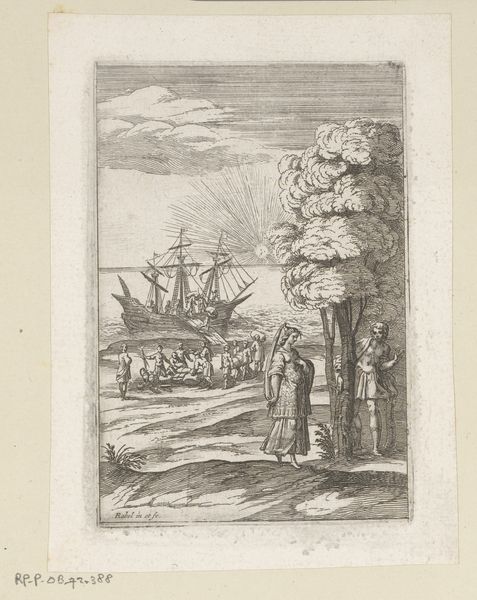
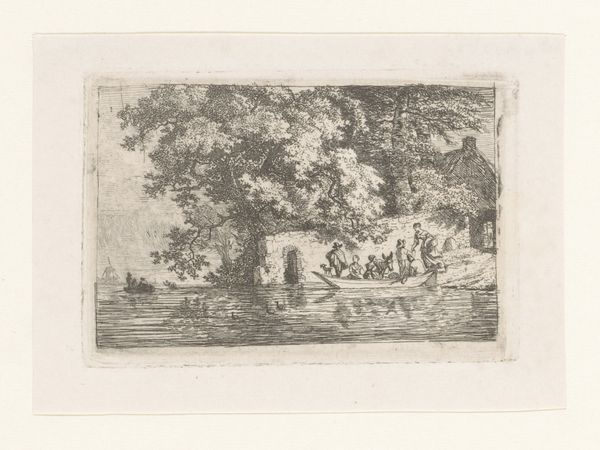
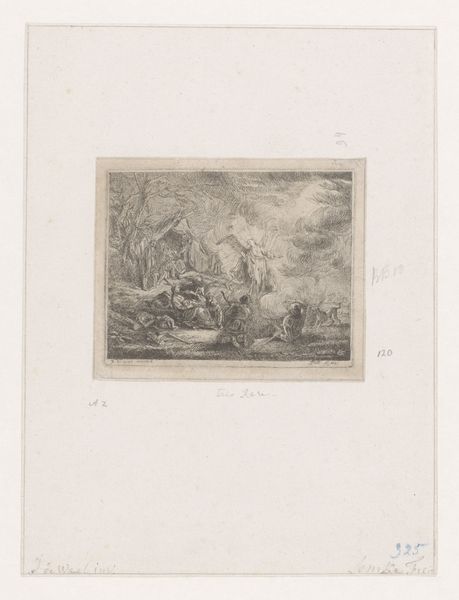
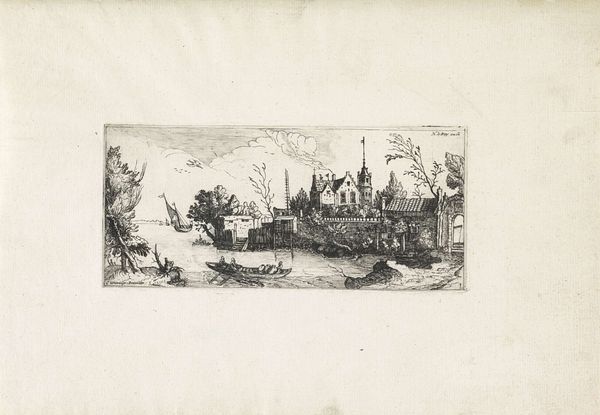
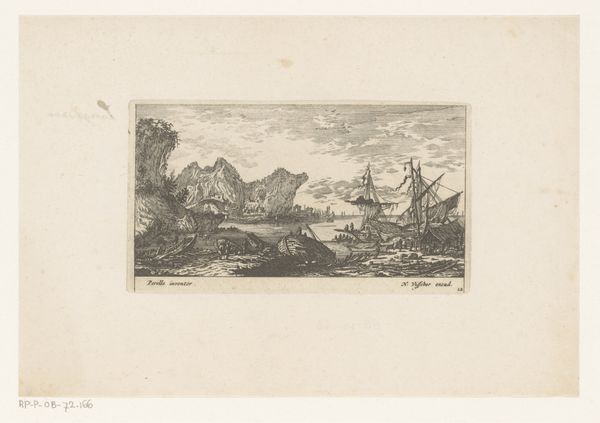
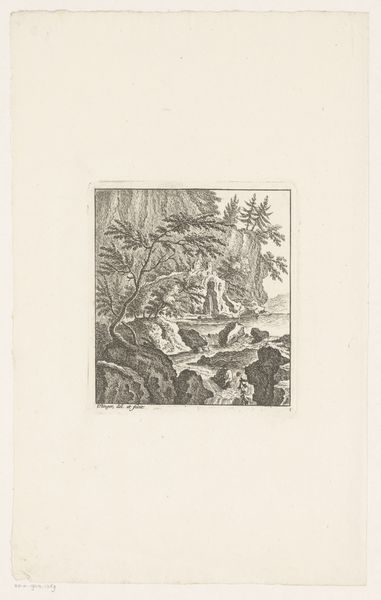
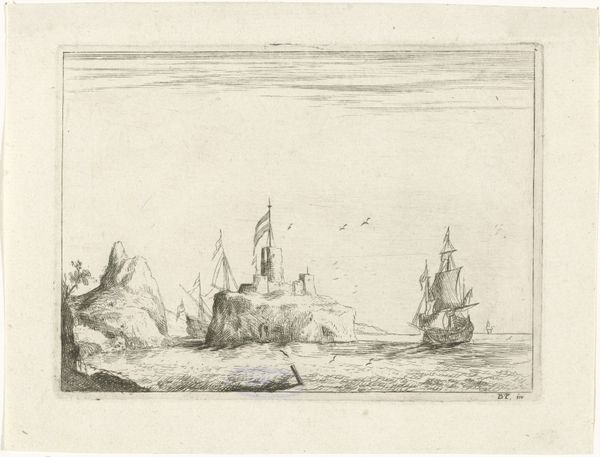
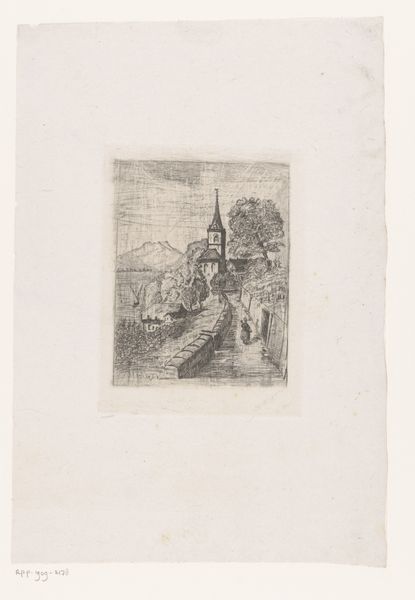
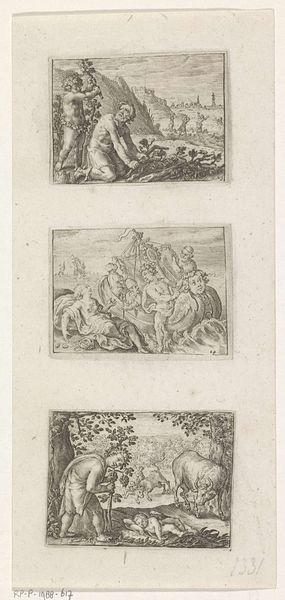
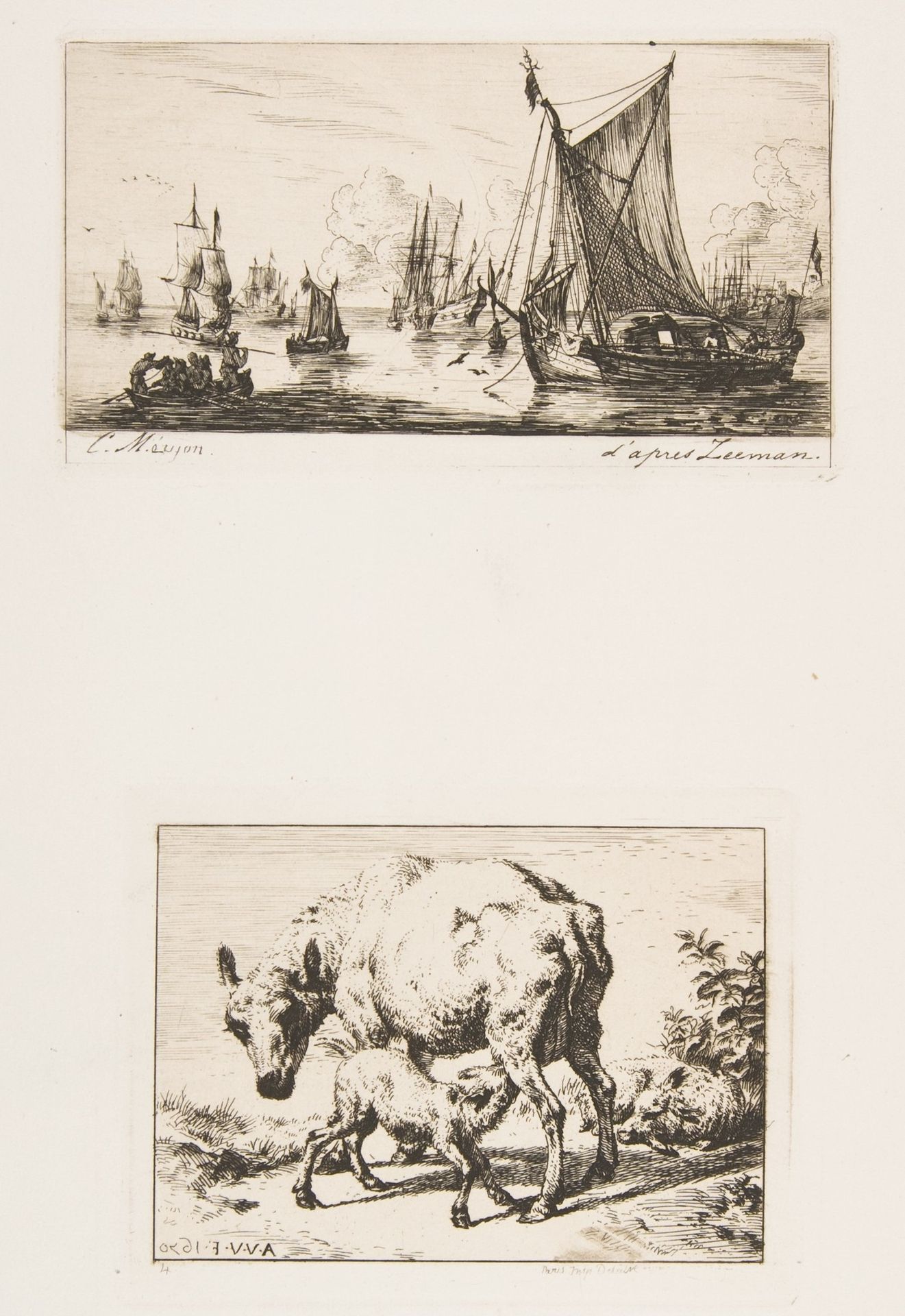
Charles Meryon created this print, combining "South Sea Fishers" and "Ewe with Two Lambs," using etching techniques. The juxtaposition of maritime activity with pastoral imagery invites contemplation about France's evolving relationship with the sea and countryside. Meryon, working in mid-19th century France, was part of a generation grappling with industrialization and urbanization. The top half of the artwork depicts a bustling harbor scene, perhaps referencing France’s colonial ambitions and maritime trade. Meanwhile, the bottom half shows a peaceful, rural scene with a sheep and its lambs, evoking traditional agrarian values. The art world was transforming in France, with the rise of Realism and Impressionism challenging academic norms. Meryon's detailed etchings, with their contrasting scenes, could be interpreted as a commentary on these shifting cultural landscapes. To better understand Meryon, archival materials, exhibition records, and critical reviews can provide valuable insights. Art's meaning evolves with its cultural and institutional contexts.
South Sea Fishers; Ewe with Two Lambs 1850


Artwork details
- Medium
- drawing, print, etching
- Dimensions
- plate: 2 5/8 x 4 11/16 in. (6.6 x 11.9 cm) plate: 3 1/16 x 4 1/8 in. (7.8 x 10.5 cm) sheet: 12 5/8 x 9 9/16 in. (32 x 24.3 cm)
- Location
- Metropolitan Museum of Art, New York, NY
- Copyright
- Public Domain
Tags
drawing
animal
etching
landscape
figuration
genre-painting
Comments
No comments
About this artwork
Charles Meryon created this print, combining "South Sea Fishers" and "Ewe with Two Lambs," using etching techniques. The juxtaposition of maritime activity with pastoral imagery invites contemplation about France's evolving relationship with the sea and countryside. Meryon, working in mid-19th century France, was part of a generation grappling with industrialization and urbanization. The top half of the artwork depicts a bustling harbor scene, perhaps referencing France’s colonial ambitions and maritime trade. Meanwhile, the bottom half shows a peaceful, rural scene with a sheep and its lambs, evoking traditional agrarian values. The art world was transforming in France, with the rise of Realism and Impressionism challenging academic norms. Meryon's detailed etchings, with their contrasting scenes, could be interpreted as a commentary on these shifting cultural landscapes. To better understand Meryon, archival materials, exhibition records, and critical reviews can provide valuable insights. Art's meaning evolves with its cultural and institutional contexts.
Comments
No comments