About this artwork
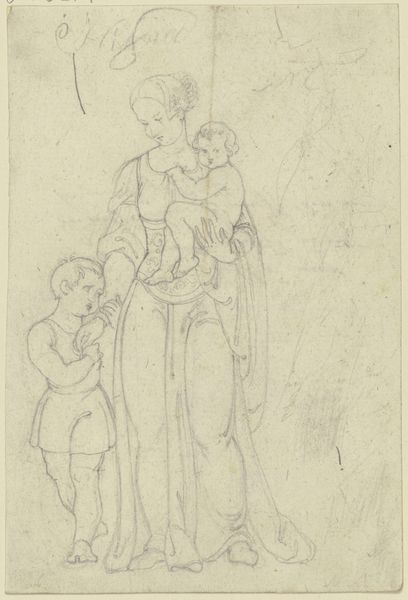
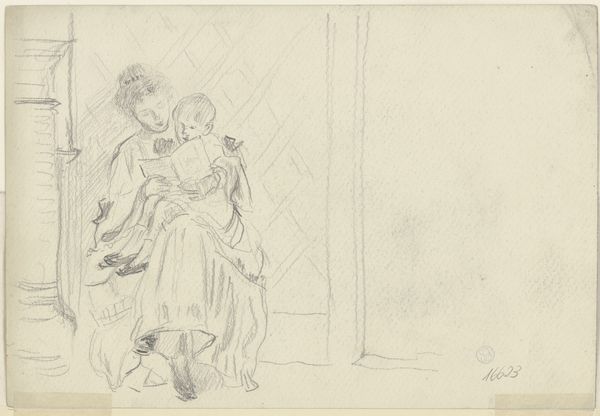
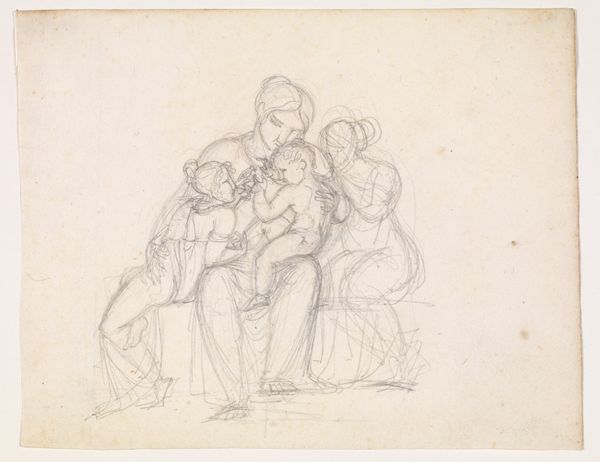
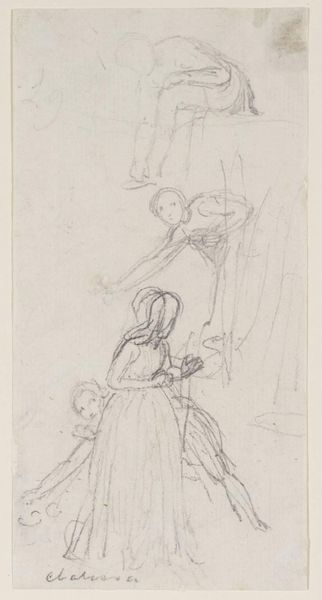
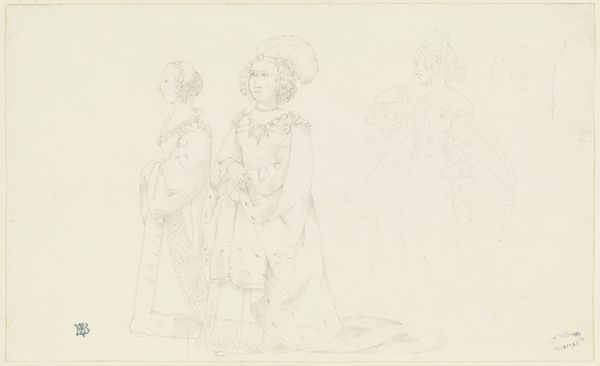
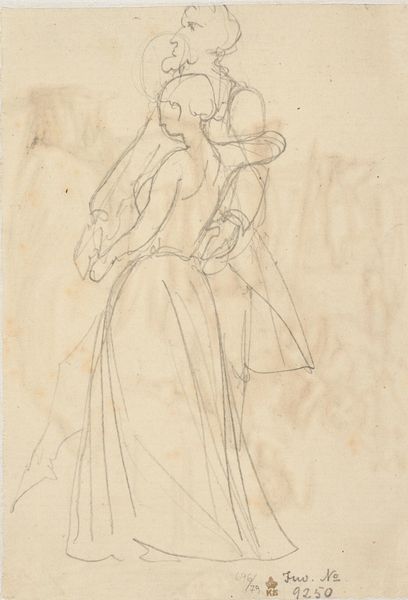
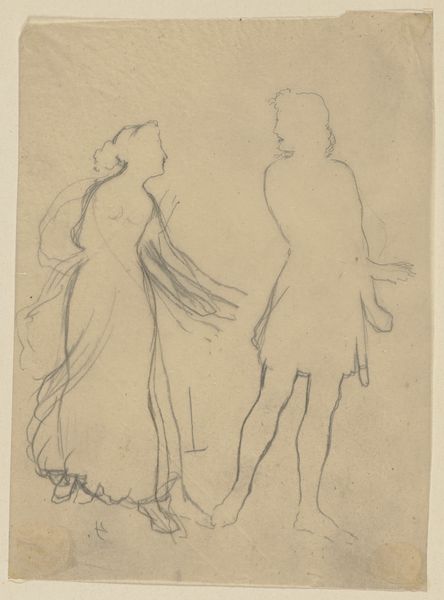
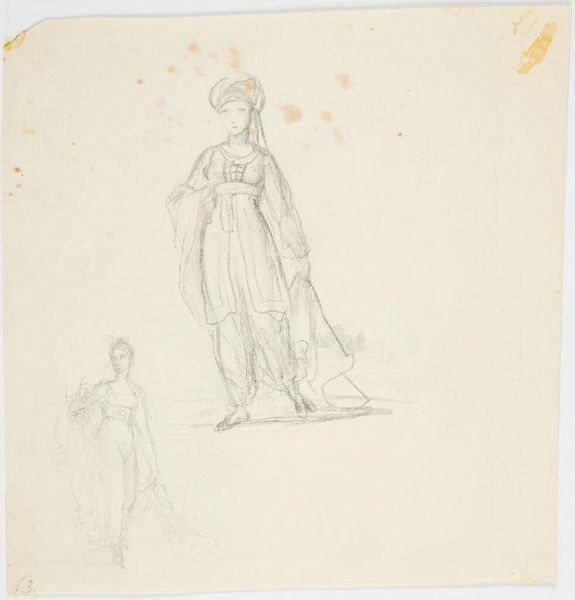
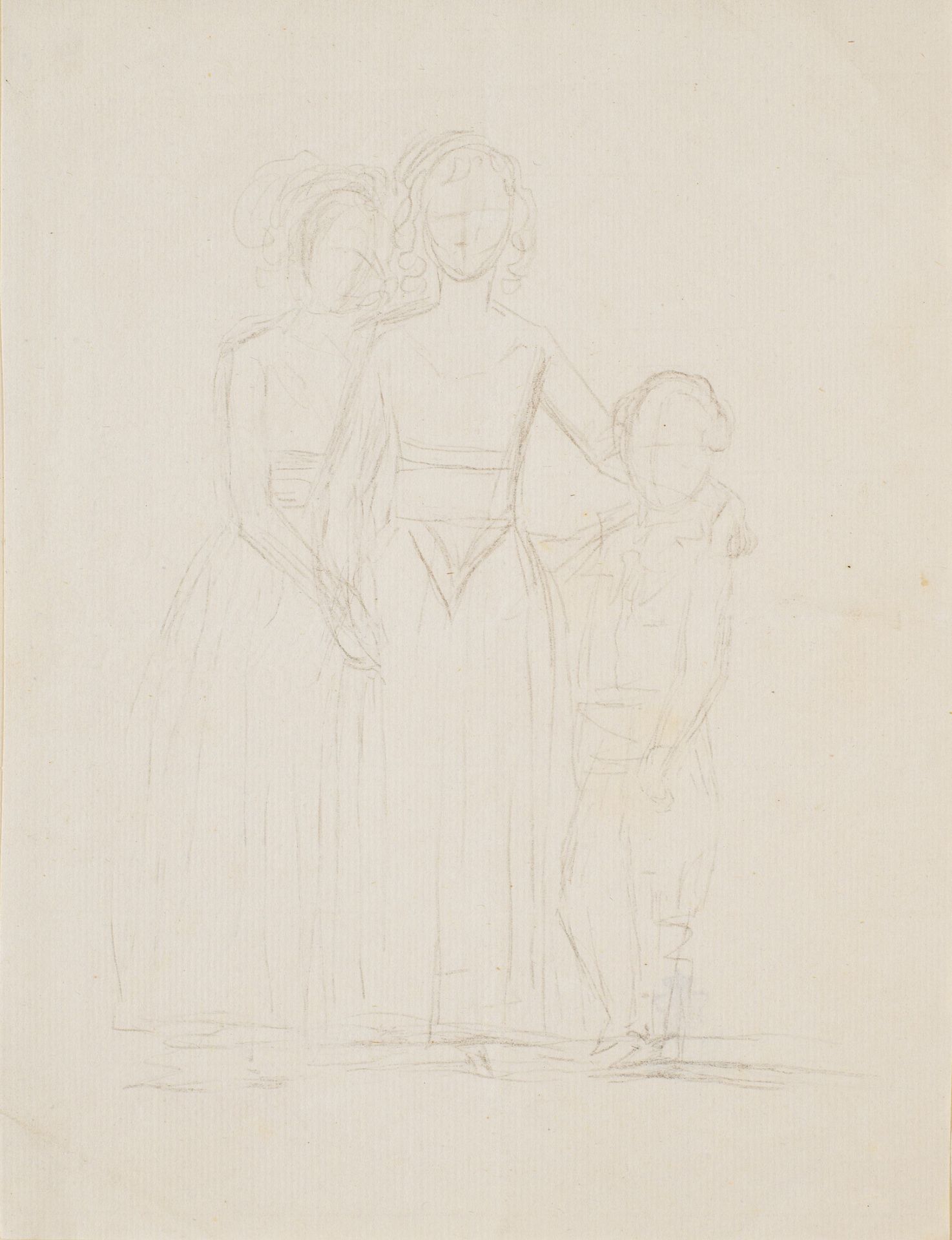
Jens Juel made this sketch of two girls and a boy, a draft for a portrait group, using graphite on paper. Juel was a leading portraitist in Denmark during the late 18th century, a period defined by strict social hierarchies. Portraiture was a powerful tool for the upper classes to assert their status and to document family lineage. This sketch, though unfinished, provides a glimpse into the artistic process behind these commissioned works. The clothing and the arrangement of the figures subtly communicate social standing, reinforcing the era's norms. To fully appreciate Juel's work, we need to look into the socio-economic conditions of 18th-century Denmark. Researching the patronage system, the art academies, and the prevailing aesthetic tastes will provide a richer understanding of his role as an artist. Art, after all, is deeply intertwined with the society that produces it.
Udkast til portrætgruppe af to stående piger og en mindre dreng
1780s


Artwork details
- Medium
- drawing, pencil
- Dimensions
- 226 mm (height) x 170 mm (width) (bladmaal)
- Location
- SMK - Statens Museum for Kunst
Tags
Comments
Share your thoughts
About this artwork
Jens Juel made this sketch of two girls and a boy, a draft for a portrait group, using graphite on paper. Juel was a leading portraitist in Denmark during the late 18th century, a period defined by strict social hierarchies. Portraiture was a powerful tool for the upper classes to assert their status and to document family lineage. This sketch, though unfinished, provides a glimpse into the artistic process behind these commissioned works. The clothing and the arrangement of the figures subtly communicate social standing, reinforcing the era's norms. To fully appreciate Juel's work, we need to look into the socio-economic conditions of 18th-century Denmark. Researching the patronage system, the art academies, and the prevailing aesthetic tastes will provide a richer understanding of his role as an artist. Art, after all, is deeply intertwined with the society that produces it.
Comments
Share your thoughts