About this artwork
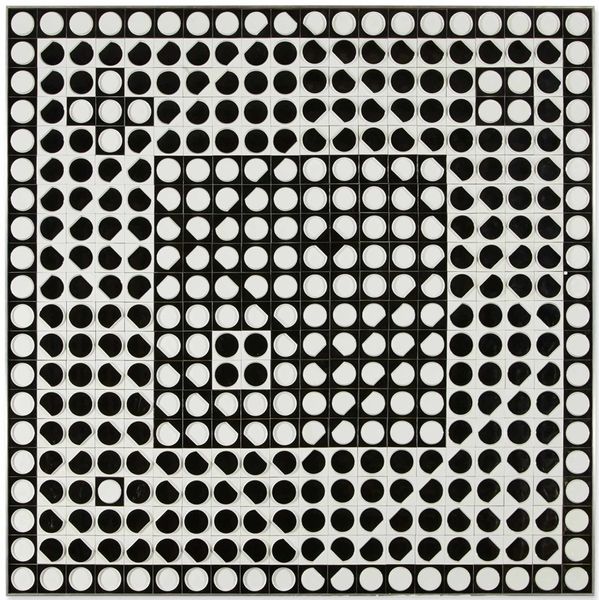
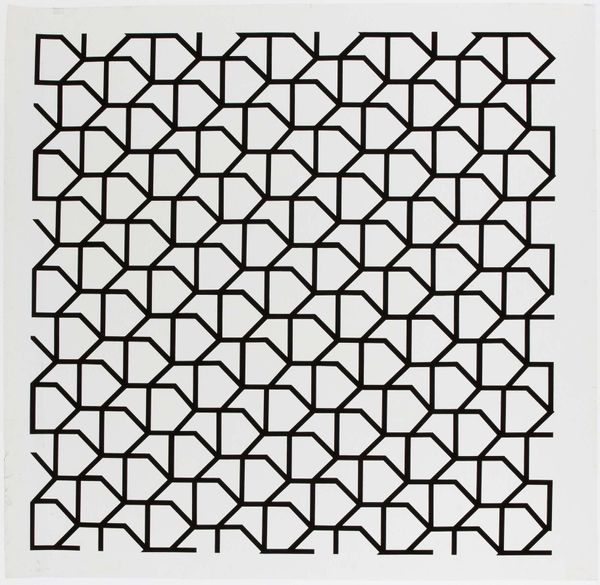
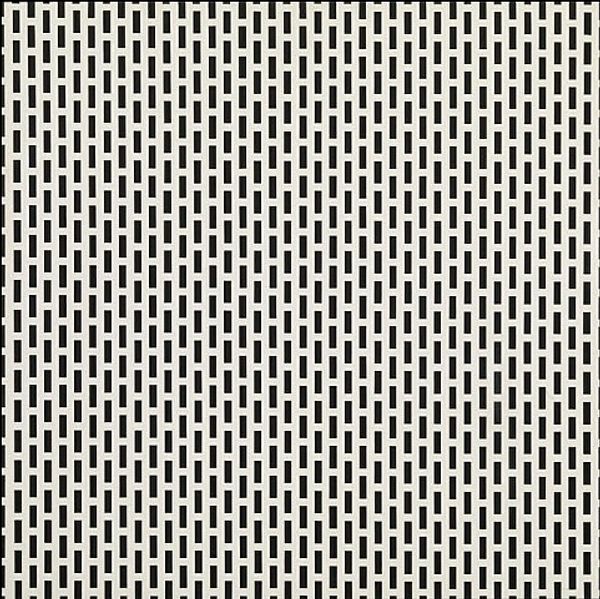
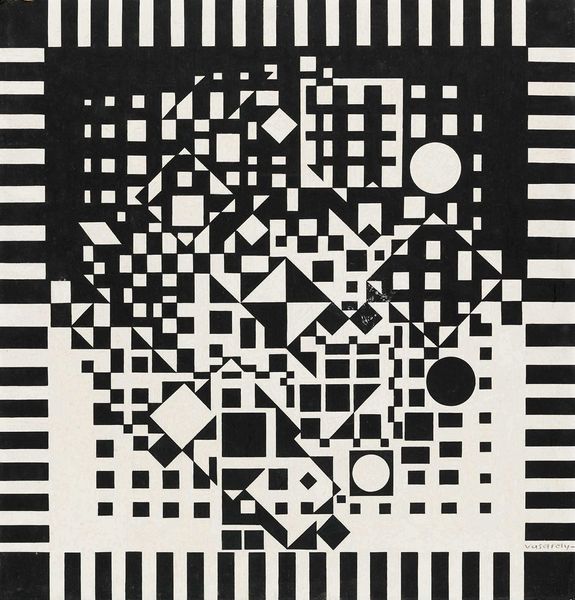
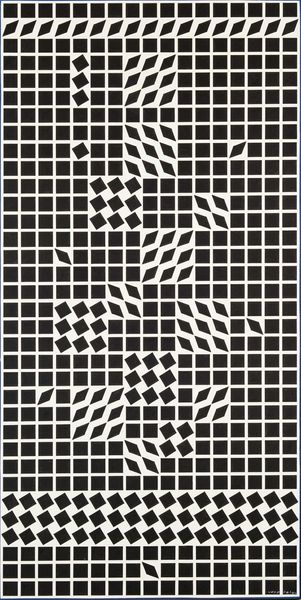
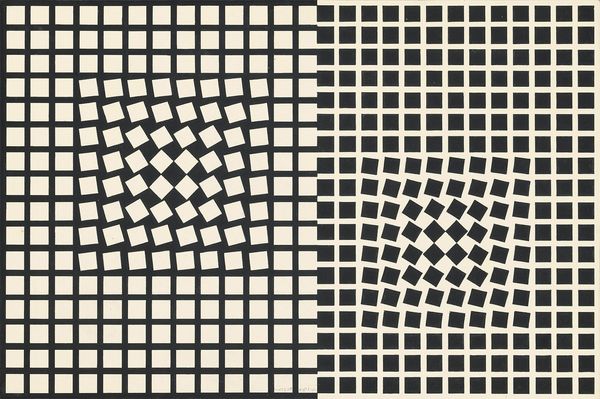
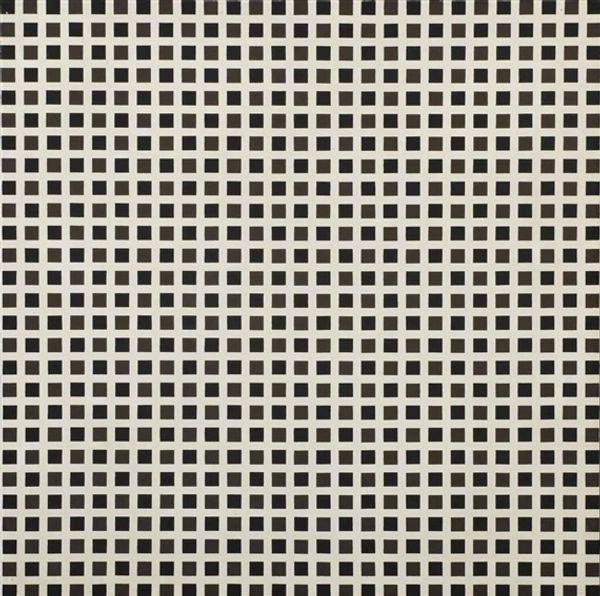
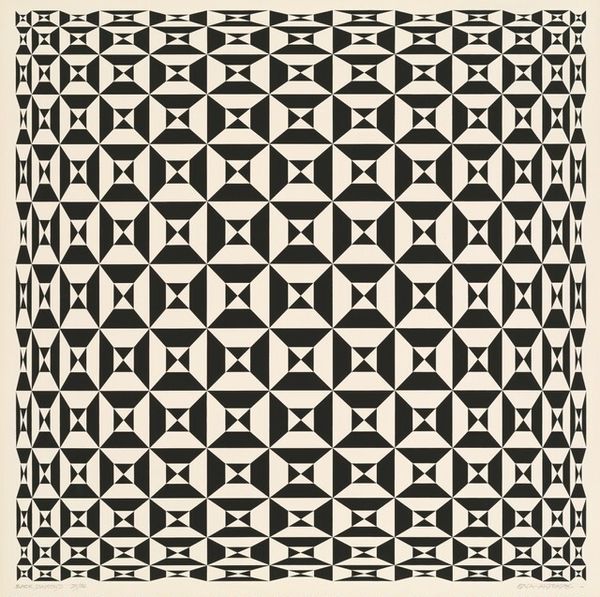
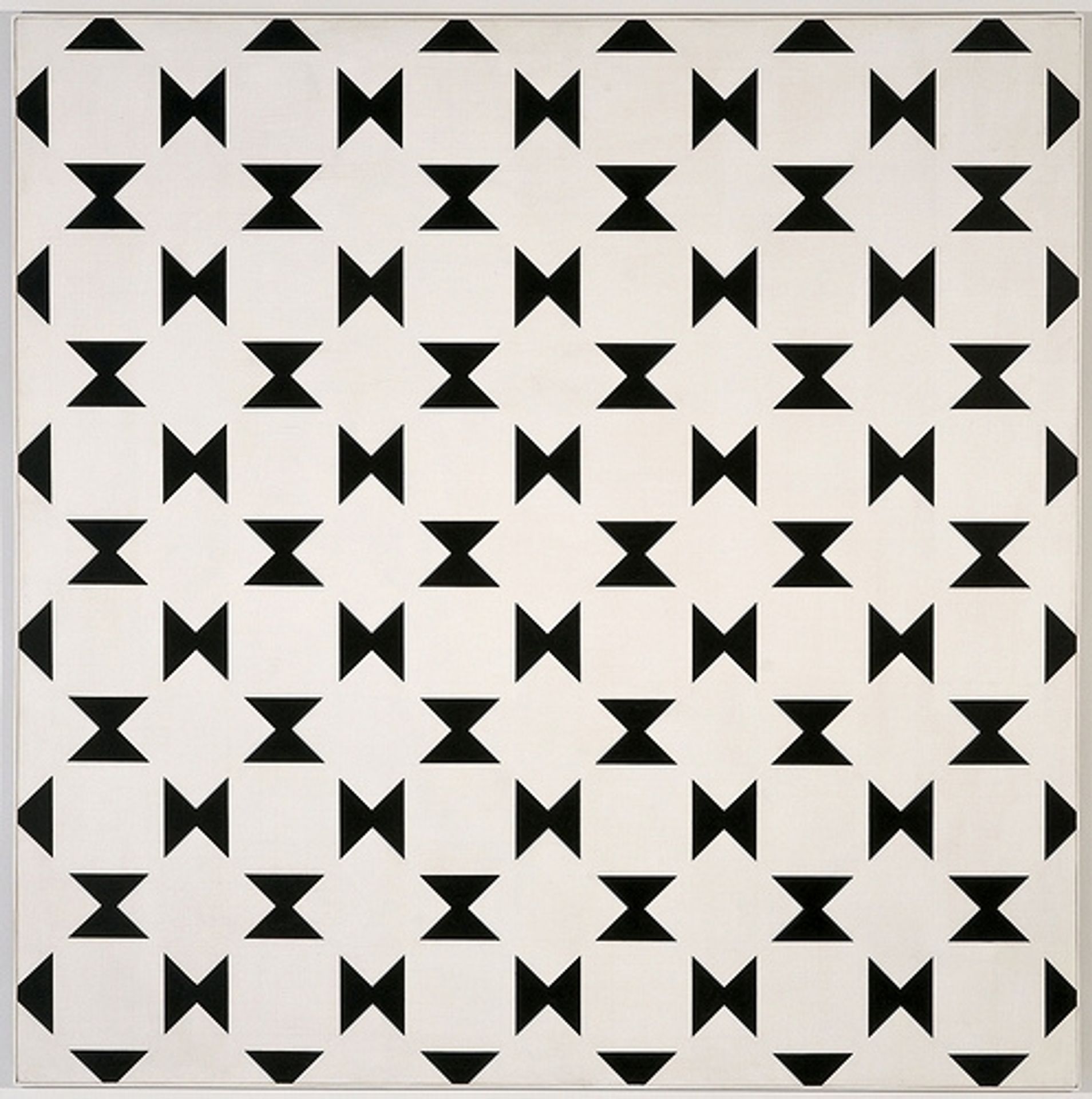
Editor: So this is Mario Ballocco’s "Problemi di Stratificazione" from 1965. It appears to be a photograph. It's very graphic, this repeated geometric pattern in black and white. What strikes you most about it? Curator: What's fascinating to me is to consider this work within the context of 1960s Italian art. Ballocco's emphasis on geometric abstraction, seen through a photographic medium, challenges traditional notions of artistic labor. Instead of the artist's hand, we see the intervention of mechanical reproduction. Think about the rise of industrial production at this time; how might that inform our reading of the repeated geometric shapes? Editor: So, the choice of photography itself becomes a commentary on industrial production? Curator: Precisely! And let's consider the stark monochrome palette. What impact does that choice have on your perception? Does it elevate or perhaps demote this imagery compared to, say, vibrant paintings? Editor: I guess the lack of color draws more attention to the shapes themselves and how they are arranged. It seems to flatten everything. Curator: Exactly. This flattening emphasizes the surface and denies any illusionistic depth. This strategy links it to Hard-Edge Painting and Minimalism, movements questioning painting's traditional role. How does it connect with your understanding of these movements? Editor: I never thought about it this way, but now it seems clear. It moves away from emotional expression and embraces this calculated repetition. I see how the materials and the process become the focus. Curator: Indeed. By considering the labor, materials, and production of this work, we begin to see how Ballocco engaged with and commented on the shifting social and artistic landscape of his time. Editor: That definitely gives me a new appreciation for it! I’ll look more at the social context from which art comes from. Thanks!

Artwork details
- Medium
- photography
- Copyright
- Mario Ballocco,Fair Use
Tags
minimalism
pattern
geometric pattern
photography
geometric
geometric-abstraction
line
hard-edge-painting
monochrome
Comments
Be the first to share your thoughts about this work.
About this artwork
Editor: So this is Mario Ballocco’s "Problemi di Stratificazione" from 1965. It appears to be a photograph. It's very graphic, this repeated geometric pattern in black and white. What strikes you most about it? Curator: What's fascinating to me is to consider this work within the context of 1960s Italian art. Ballocco's emphasis on geometric abstraction, seen through a photographic medium, challenges traditional notions of artistic labor. Instead of the artist's hand, we see the intervention of mechanical reproduction. Think about the rise of industrial production at this time; how might that inform our reading of the repeated geometric shapes? Editor: So, the choice of photography itself becomes a commentary on industrial production? Curator: Precisely! And let's consider the stark monochrome palette. What impact does that choice have on your perception? Does it elevate or perhaps demote this imagery compared to, say, vibrant paintings? Editor: I guess the lack of color draws more attention to the shapes themselves and how they are arranged. It seems to flatten everything. Curator: Exactly. This flattening emphasizes the surface and denies any illusionistic depth. This strategy links it to Hard-Edge Painting and Minimalism, movements questioning painting's traditional role. How does it connect with your understanding of these movements? Editor: I never thought about it this way, but now it seems clear. It moves away from emotional expression and embraces this calculated repetition. I see how the materials and the process become the focus. Curator: Indeed. By considering the labor, materials, and production of this work, we begin to see how Ballocco engaged with and commented on the shifting social and artistic landscape of his time. Editor: That definitely gives me a new appreciation for it! I’ll look more at the social context from which art comes from. Thanks!
Comments
Be the first to share your thoughts about this work.