About this artwork
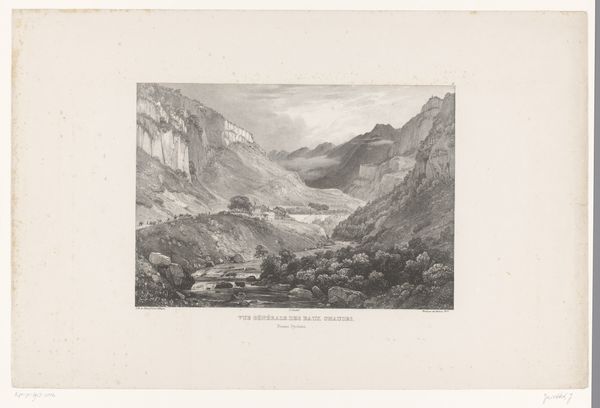
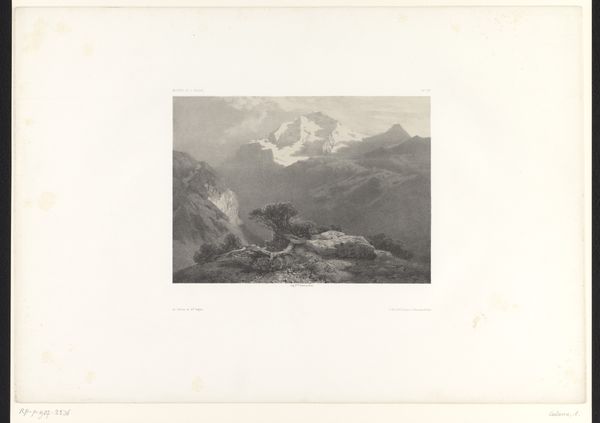
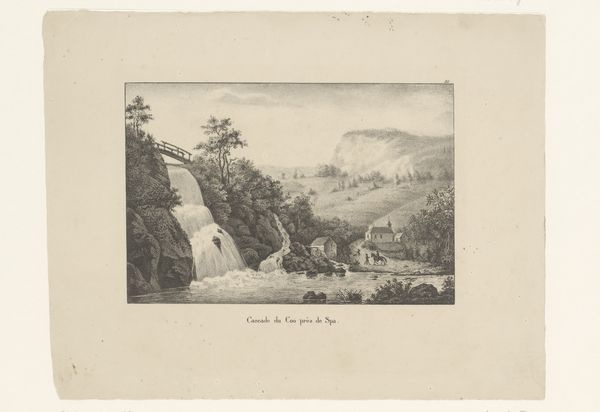
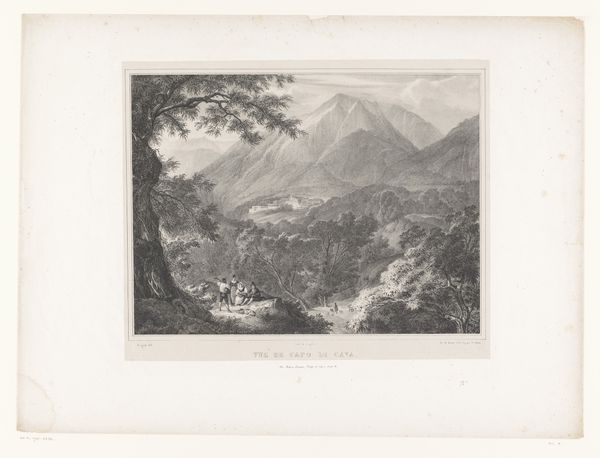
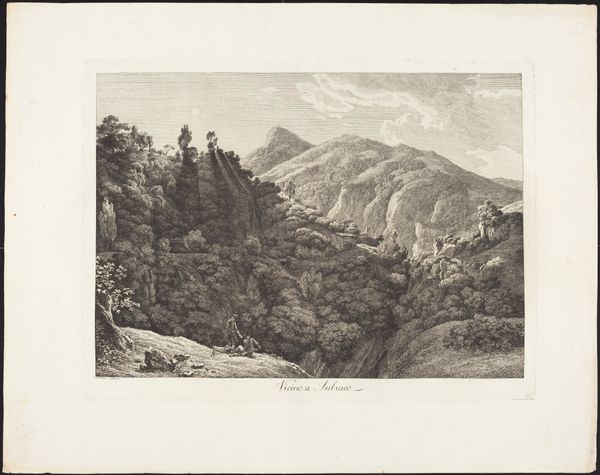
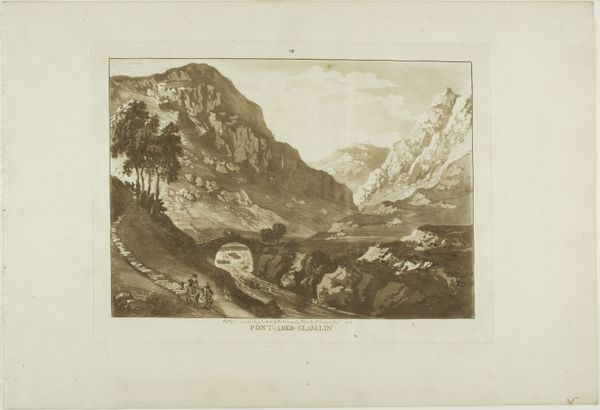
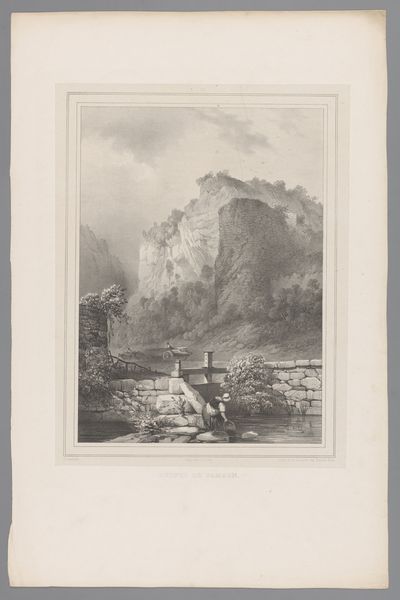
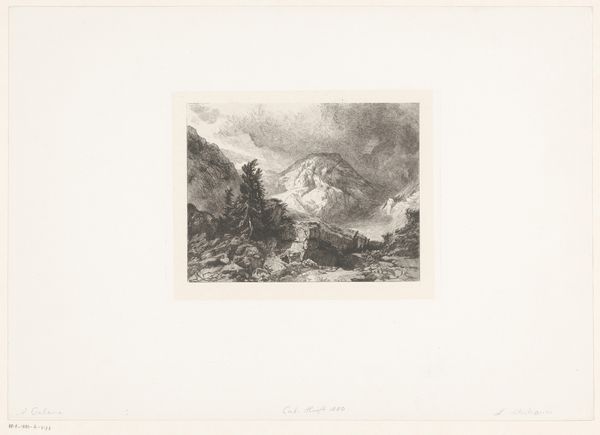
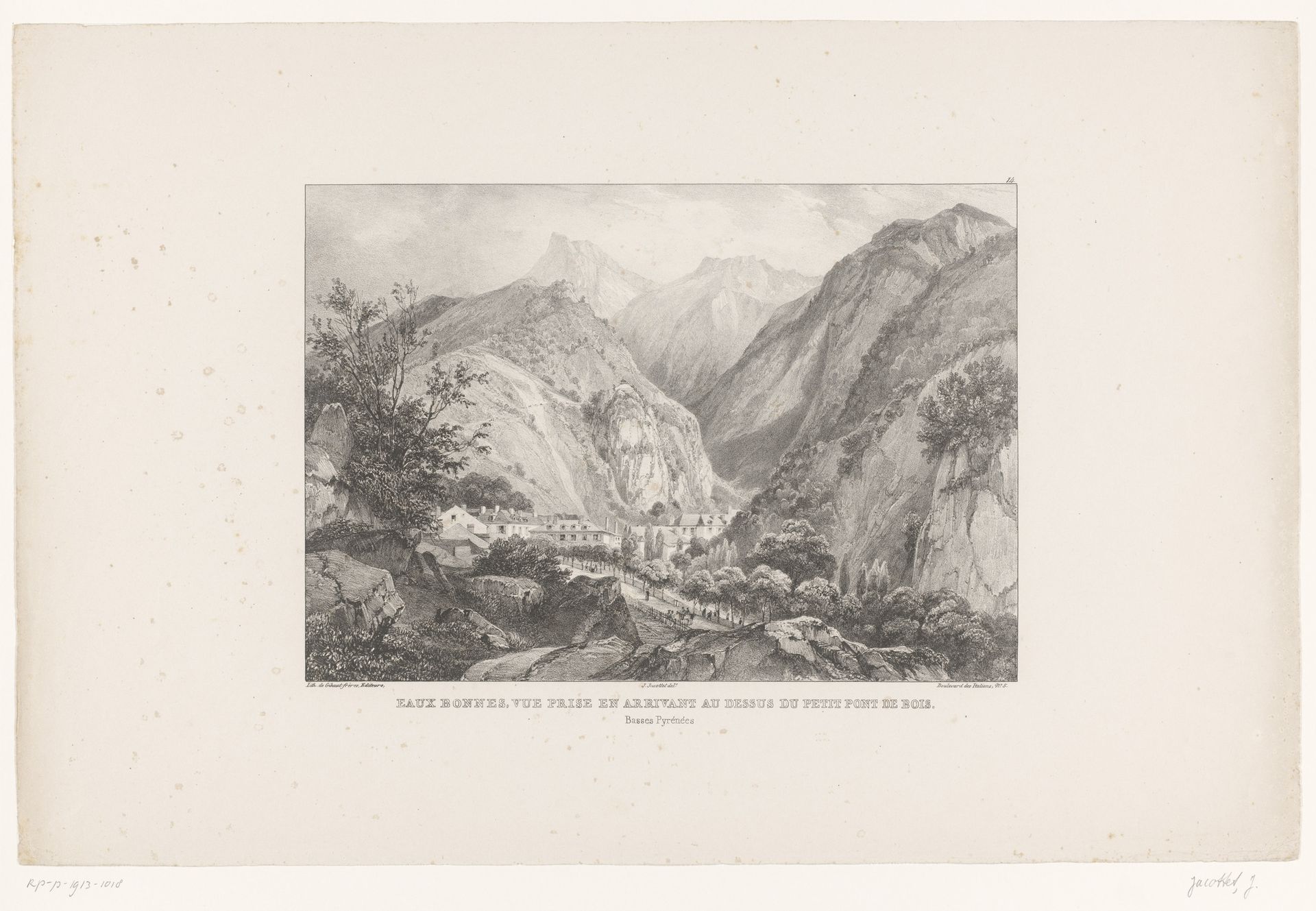
Louis-Julien Jacottet created this print of Eaux-Bonnes from the small wooden bridge. Observe how the scene unfolds through a carefully constructed composition, where each element is placed to guide our gaze. Jacottet uses line and tone to create a structured landscape. The mountains, rendered with precise strokes, rise dramatically and frame the scene. The architecture nestled in the valley creates a focal point, its arrangement suggesting a play between nature and human intervention. The textures, achieved through detailed engraving, give a tactile quality to the rocks and foliage, enhancing the depth. The artwork invites us to consider how we perceive and represent space. It embodies a semiotic structure where natural forms and constructed elements symbolize a tension between the sublime and the ordered. The print acts as a sign, inviting continuous readings.
Zicht op Eaux-Bonnes vanaf de kleine houten brug
1835 - 1836

Louis-Julien Jacottet
@louisjulienjacottetLocation
RijksmuseumArtwork details
- Medium
- drawing, print, paper, engraving
- Dimensions
- height 358 mm, width 547 mm
- Location
- Rijksmuseum
- Copyright
- Rijks Museum: Open Domain
Tags
pencil drawn
drawing
landscape
paper
form
romanticism
mountain
line
engraving
realism
Comments
Be the first to share your thoughts about this work.
About this artwork
Louis-Julien Jacottet created this print of Eaux-Bonnes from the small wooden bridge. Observe how the scene unfolds through a carefully constructed composition, where each element is placed to guide our gaze. Jacottet uses line and tone to create a structured landscape. The mountains, rendered with precise strokes, rise dramatically and frame the scene. The architecture nestled in the valley creates a focal point, its arrangement suggesting a play between nature and human intervention. The textures, achieved through detailed engraving, give a tactile quality to the rocks and foliage, enhancing the depth. The artwork invites us to consider how we perceive and represent space. It embodies a semiotic structure where natural forms and constructed elements symbolize a tension between the sublime and the ordered. The print acts as a sign, inviting continuous readings.
Comments
Be the first to share your thoughts about this work.