Albrecht Altdorfer


Listen to curator's interpretation
Curatorial notes
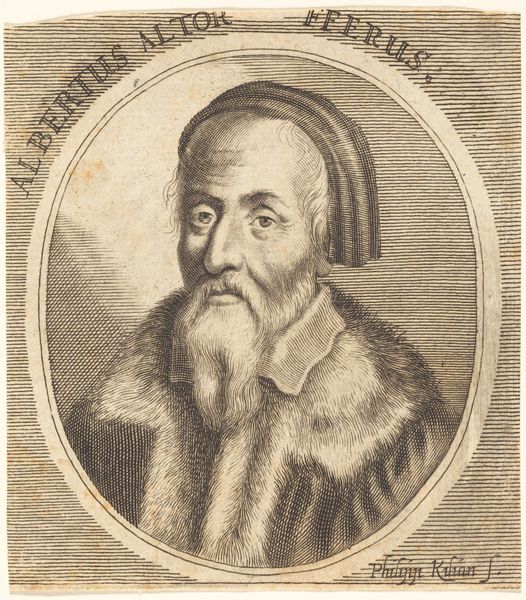
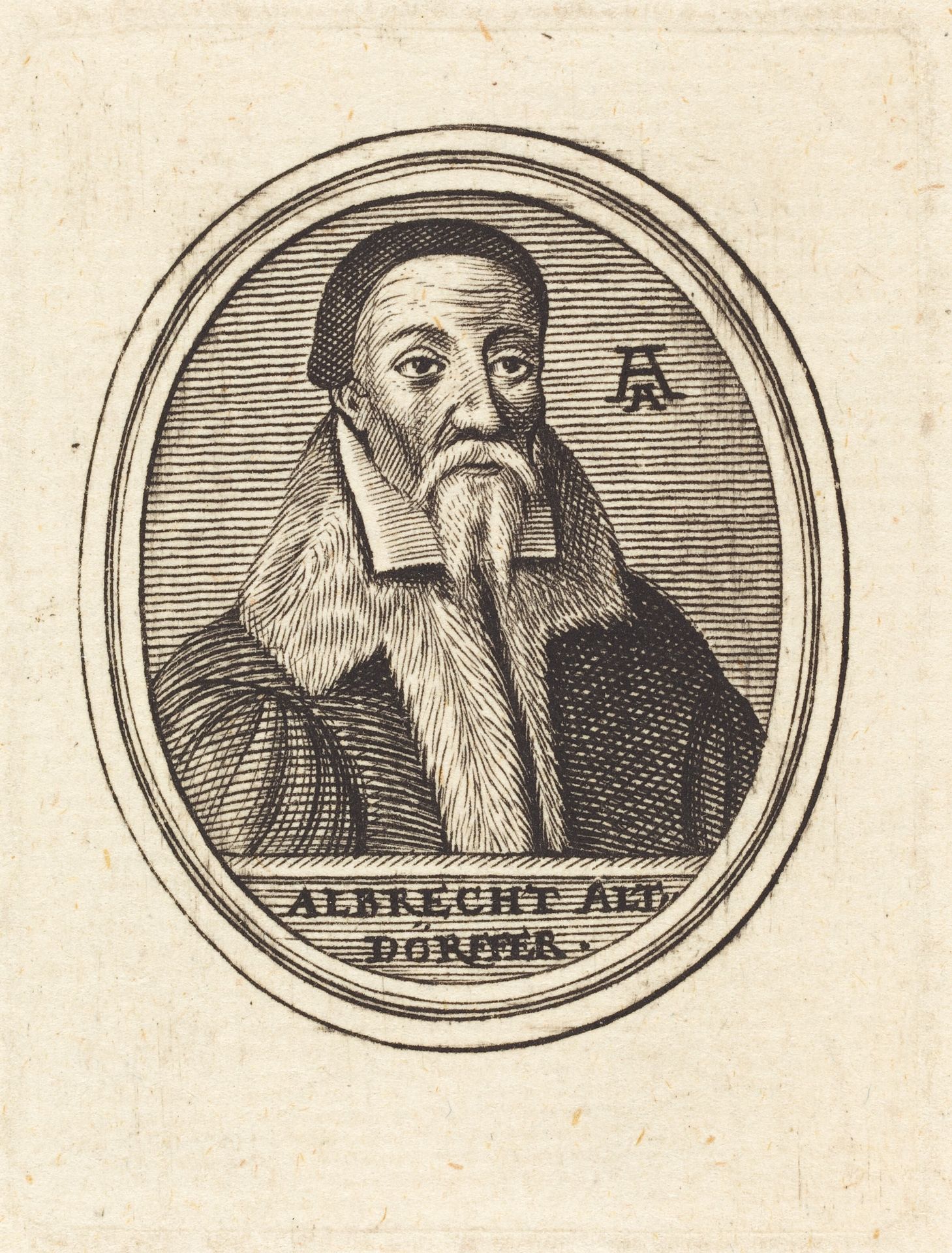
Editor: This engraving depicts Albrecht Altdorfer in an oval frame. It's a pretty classic Northern Renaissance portrait with incredible line work. How does this piece speak to you? Curator: Immediately, I consider the function of a portrait like this in Altdorfer’s time. Prints allowed for the wider dissemination of images, building an artist's reputation, especially outside their immediate locale. Think about the art market of the period – how might something like this boost his standing and impact his career? Editor: So, it's kind of like Renaissance marketing? Did it help to be so closely associated with historical themes? Curator: Exactly! These weren't just likenesses; they were statements. Remember, the Northern Renaissance saw a renewed interest in classical learning. Linking himself visually to important historical narratives through portraiture could position him within that intellectual sphere. What do you notice about the inclusion of his monogram? Editor: The "A" on the right? It seems very deliberate, almost like a brand. Curator: Precisely. How do you think that asserts the artist's role in the creation of meaning? It's not just about skill, is it? It’s a claim of authorship, a declaration of his individual artistic vision within the printmaking tradition. Editor: I hadn't considered it that way before, but it’s all about making a statement about position, status and control. Curator: Indeed. Understanding the socio-political context surrounding art production is key to grasping the intentions of artists like Altdorfer and the cultural impact of their work. I have a newfound appreciation for how much historical context shapes the artwork. Editor: I totally agree. Thinking about prints as almost advertisements changes everything for me. Thanks so much!