About this artwork
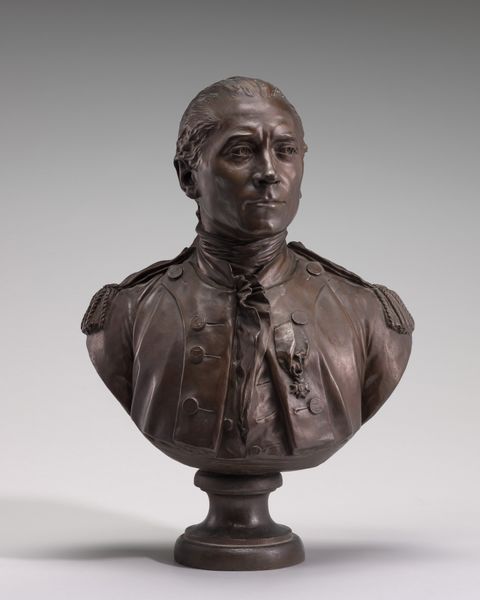
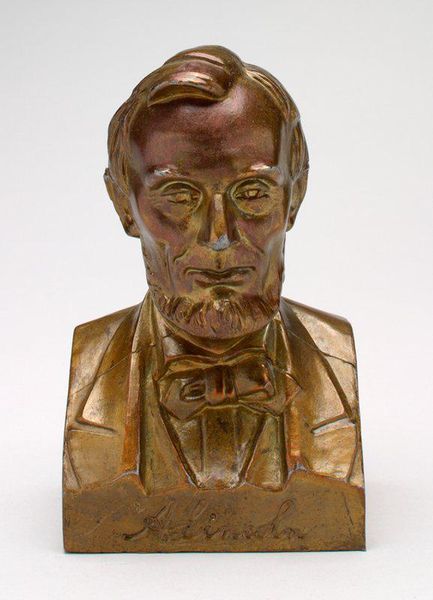
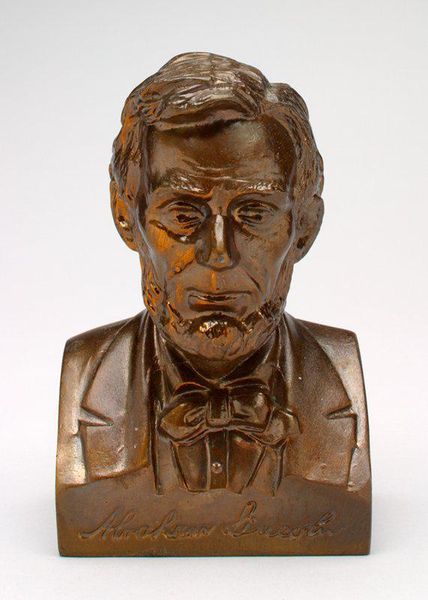
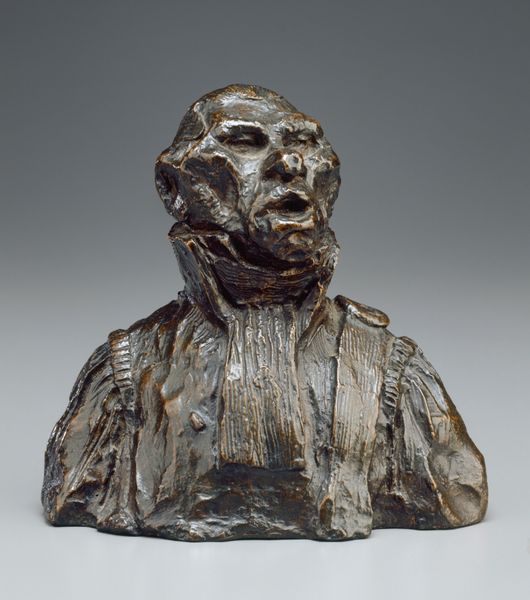
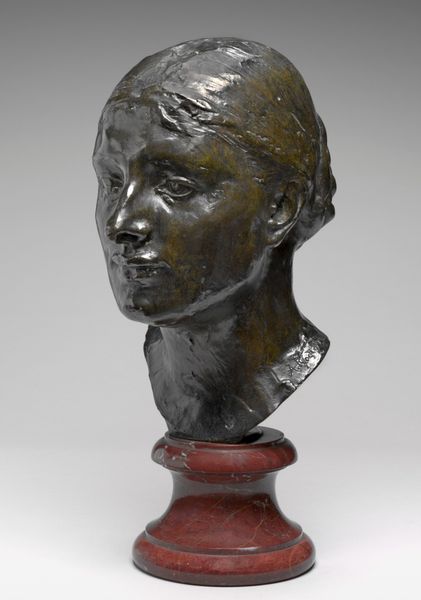
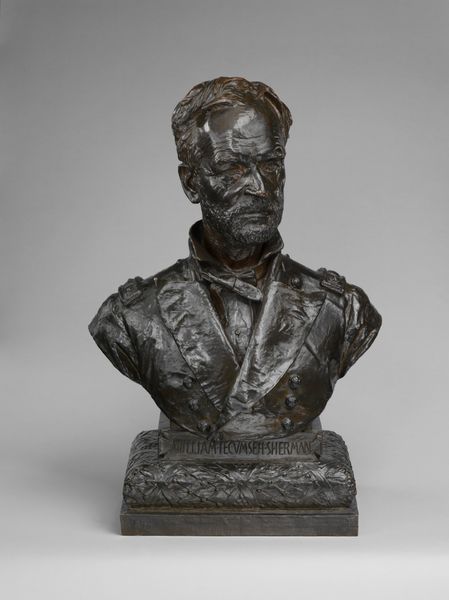
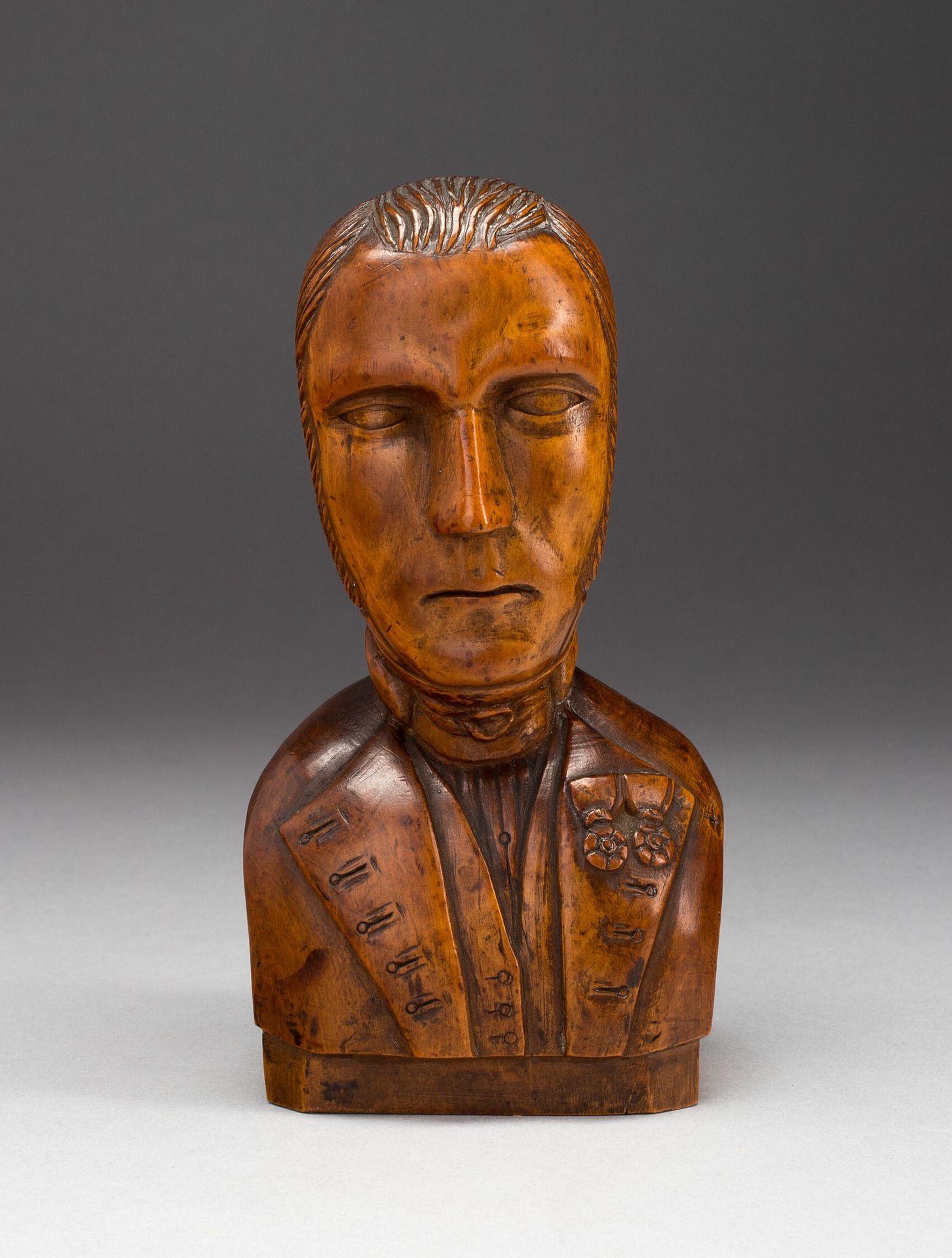
This small wood carving of a gentleman's bust was created by an anonymous artist. Looking at the stern, closed eyes of this military man, we can consider the role of portraiture in expressing status during a time when photography wasn't readily available. His neatly buttoned uniform, complete with epaulettes and medals, marks him as a man of service and distinction. The skill required to carve such detail from wood suggests the artist may have been a trained professional. It makes you wonder, what was the social standing of someone who could afford to have their likeness captured in this way? Was this gentleman a celebrated war hero, a respected politician, or perhaps a wealthy merchant trying to emulate the aristocracy? To understand this work more fully, we might delve into military records, genealogical archives, and period newspapers to uncover the stories behind these visual codes of status. The meaning of art is always contingent on its social and institutional context.
Bust of a Gentleman
c. 1850


Artwork details
- Medium
- sculpture, wood
- Dimensions
- H.: 15.2 cm (6 in.)
- Location
- The Art Institute of Chicago
- Copyright
- Public Domain
Tags
Comments
Share your thoughts
About this artwork
This small wood carving of a gentleman's bust was created by an anonymous artist. Looking at the stern, closed eyes of this military man, we can consider the role of portraiture in expressing status during a time when photography wasn't readily available. His neatly buttoned uniform, complete with epaulettes and medals, marks him as a man of service and distinction. The skill required to carve such detail from wood suggests the artist may have been a trained professional. It makes you wonder, what was the social standing of someone who could afford to have their likeness captured in this way? Was this gentleman a celebrated war hero, a respected politician, or perhaps a wealthy merchant trying to emulate the aristocracy? To understand this work more fully, we might delve into military records, genealogical archives, and period newspapers to uncover the stories behind these visual codes of status. The meaning of art is always contingent on its social and institutional context.
Comments
Share your thoughts