About this artwork
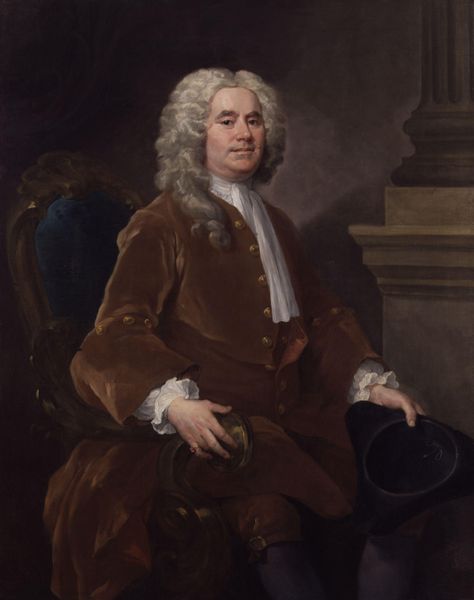
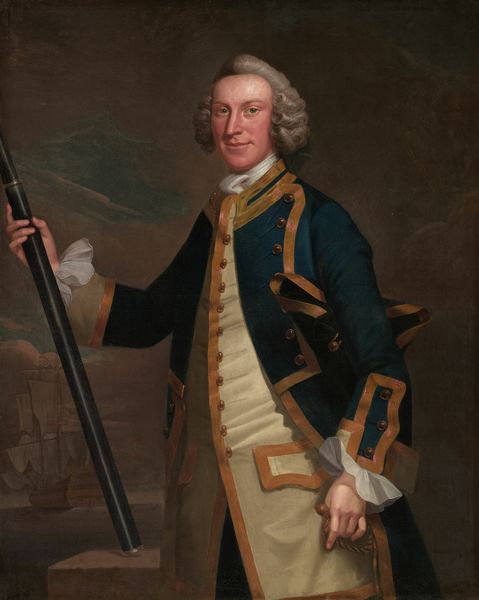
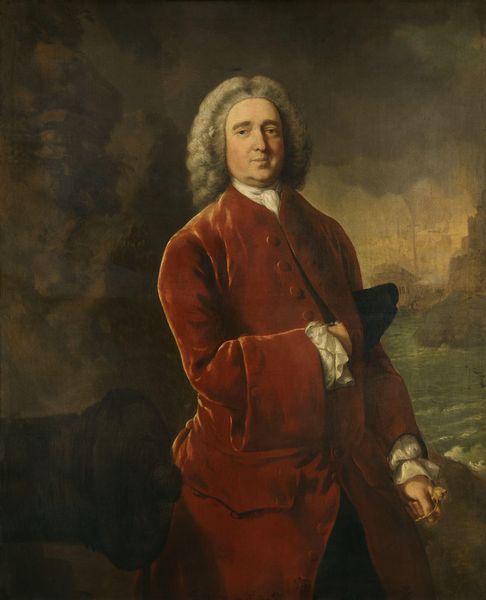
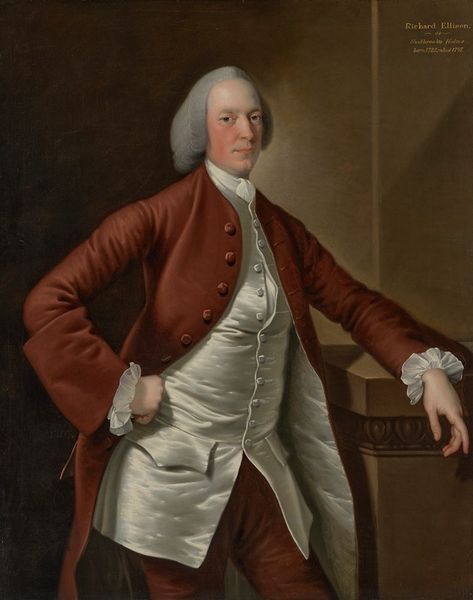
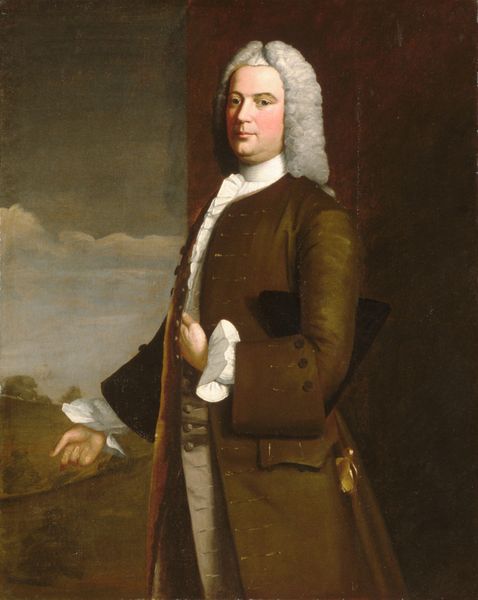
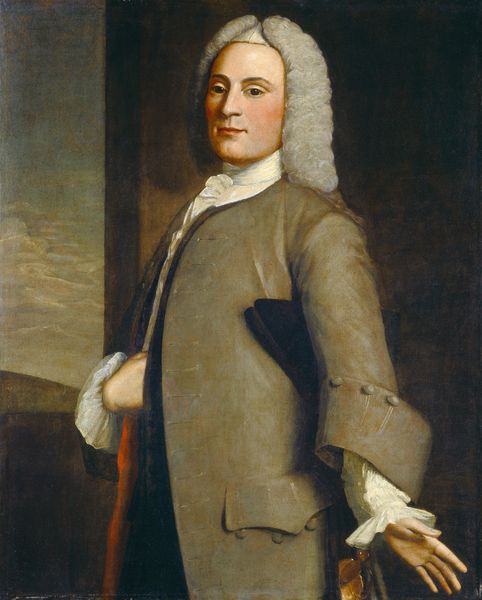
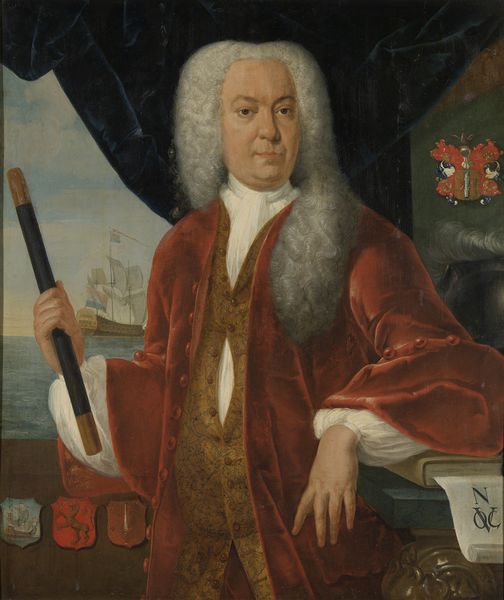
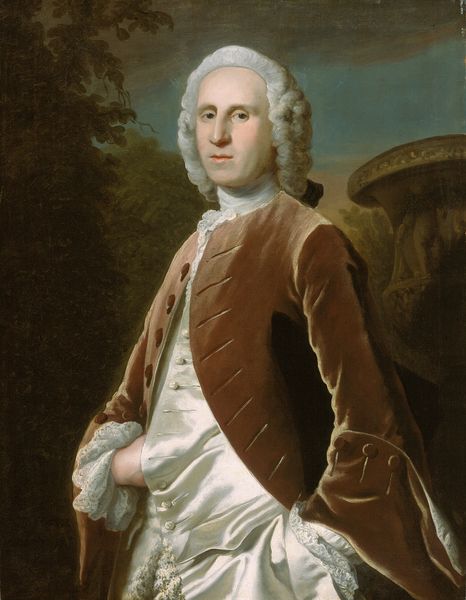
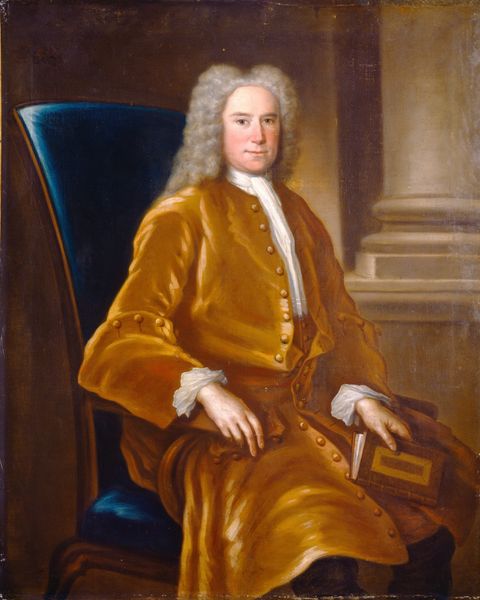
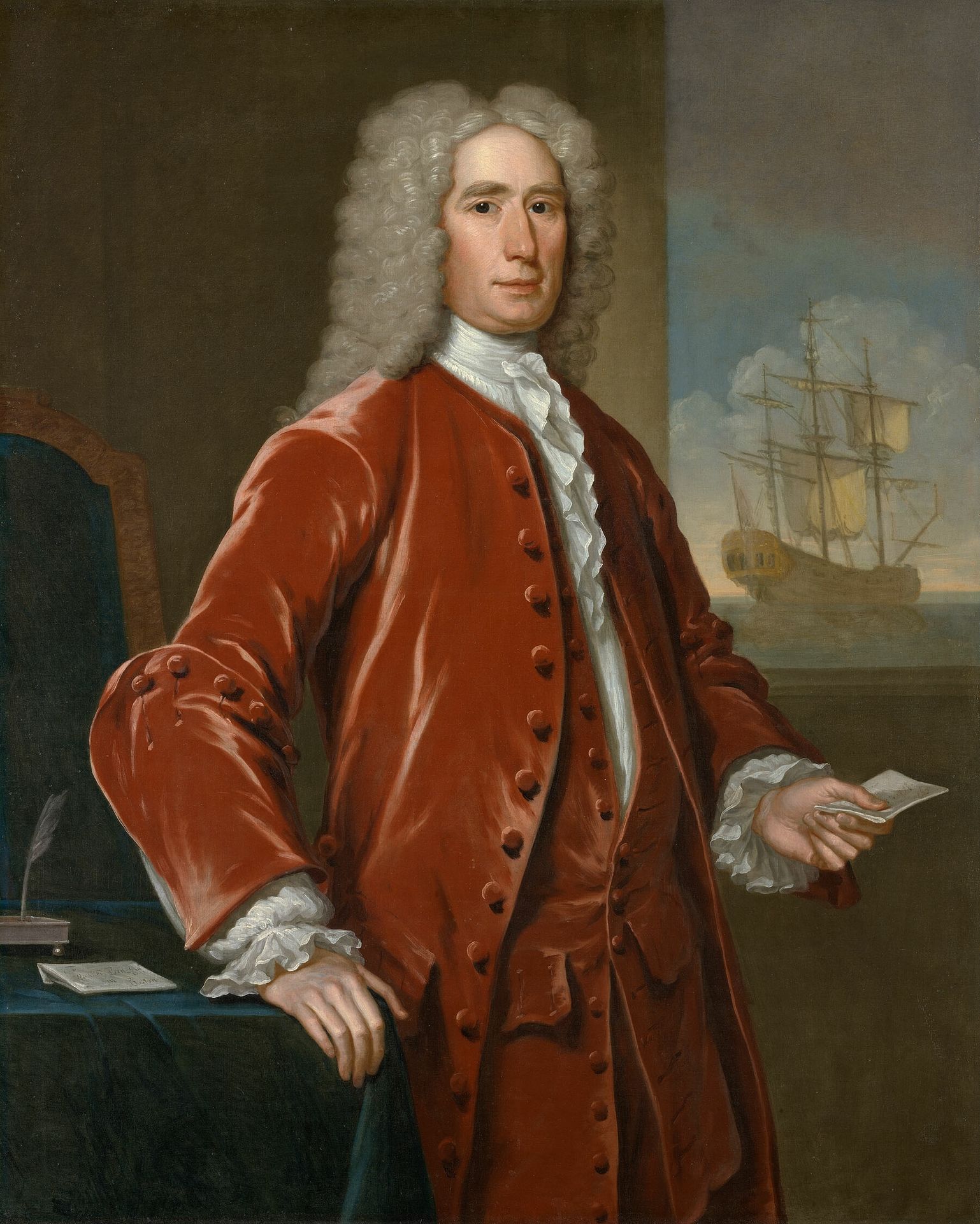
John Smibert painted Richard Bill with oil on canvas, sometime in the first half of the 18th century. This was a time when portraiture was becoming increasingly popular as a way for the rising merchant class to display their wealth and status. Smibert's meticulous brushwork captures the texture of Bill's expensive velvet coat, and the sheen of his wig. These details speak to the global trade networks that fueled the colonial economy. The ship in the background is no accident; it serves as a reminder of the source of Bill’s wealth and power. The painting’s smooth surface and careful attention to detail give it a sense of refinement, but it’s worth remembering the labor and resources that went into its creation. From the pigments used to create the colors, to the canvas itself, every element of this painting is tied to wider social and economic forces. By paying attention to these material details, we can gain a deeper understanding of the painting's meaning and its place in the world.
Richard Bill
1733


Artwork details
- Medium
- painting, oil-paint
- Dimensions
- 127.6 × 102.2 cm (50 1/4 × 40 1/4 in.)
- Location
- The Art Institute of Chicago
- Copyright
- Public Domain
Tags
portrait
baroque
painting
oil-paint
history-painting
academic-art
Comments
Be the first to share your thoughts about this work.
About this artwork
John Smibert painted Richard Bill with oil on canvas, sometime in the first half of the 18th century. This was a time when portraiture was becoming increasingly popular as a way for the rising merchant class to display their wealth and status. Smibert's meticulous brushwork captures the texture of Bill's expensive velvet coat, and the sheen of his wig. These details speak to the global trade networks that fueled the colonial economy. The ship in the background is no accident; it serves as a reminder of the source of Bill’s wealth and power. The painting’s smooth surface and careful attention to detail give it a sense of refinement, but it’s worth remembering the labor and resources that went into its creation. From the pigments used to create the colors, to the canvas itself, every element of this painting is tied to wider social and economic forces. By paying attention to these material details, we can gain a deeper understanding of the painting's meaning and its place in the world.
Comments
Be the first to share your thoughts about this work.