About this artwork
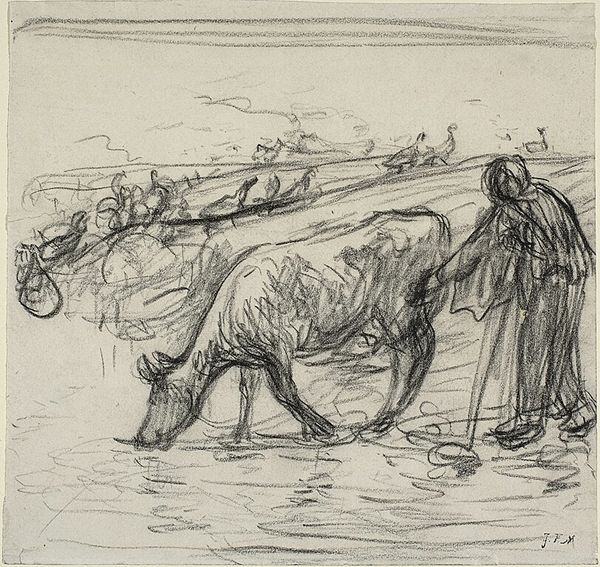
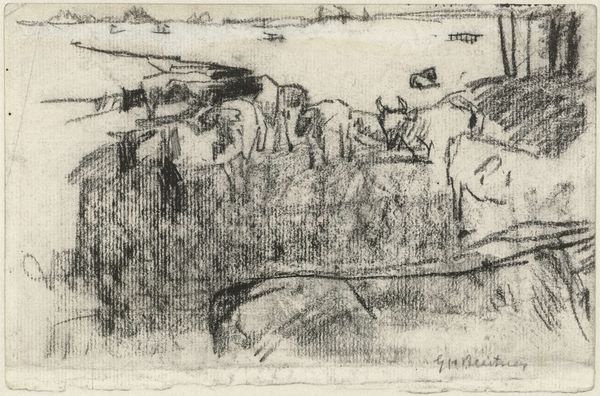
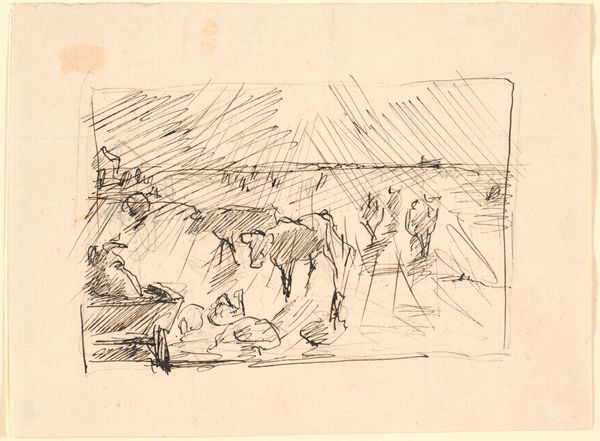
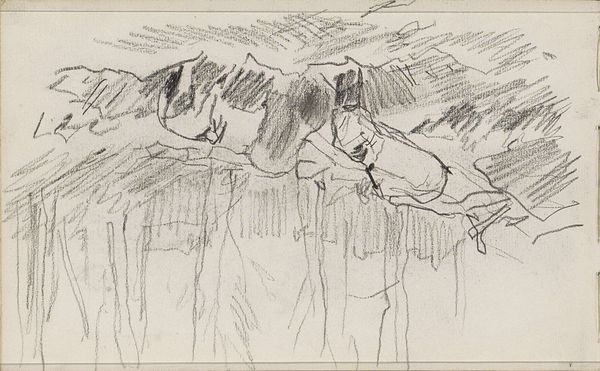
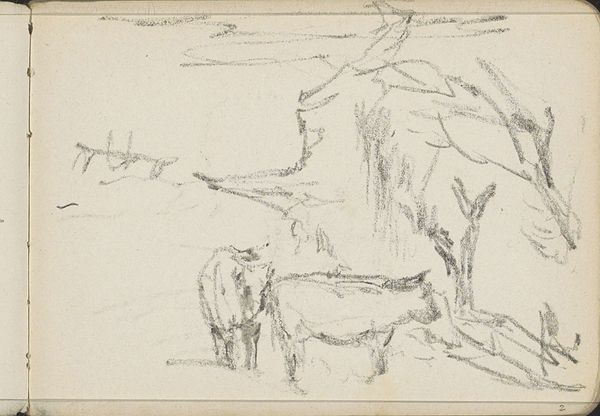
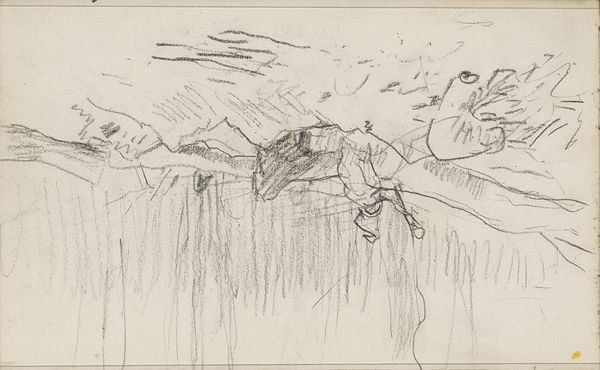
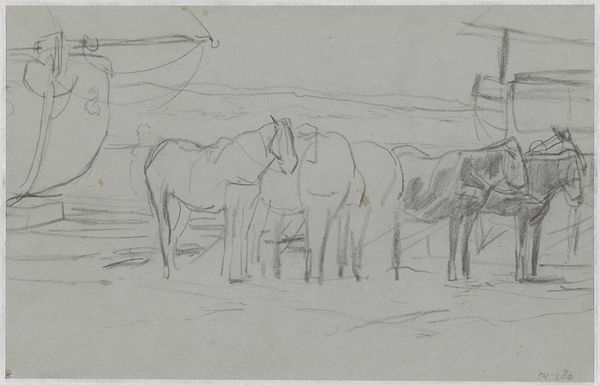
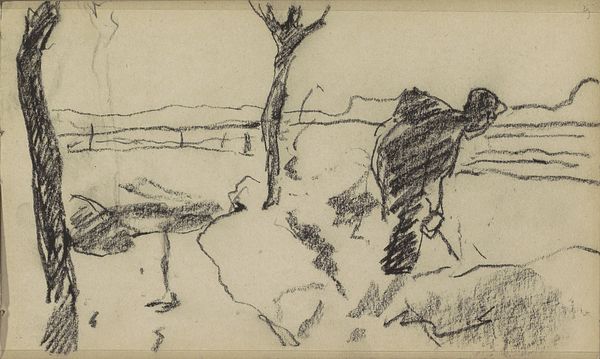
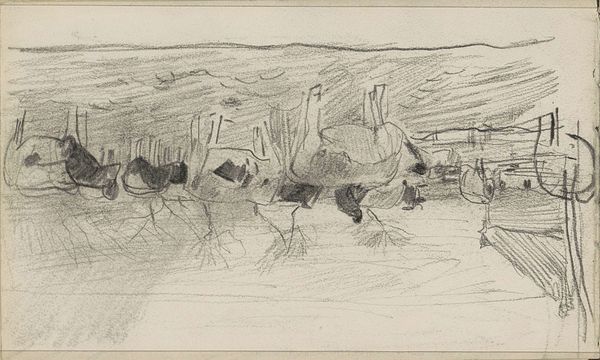
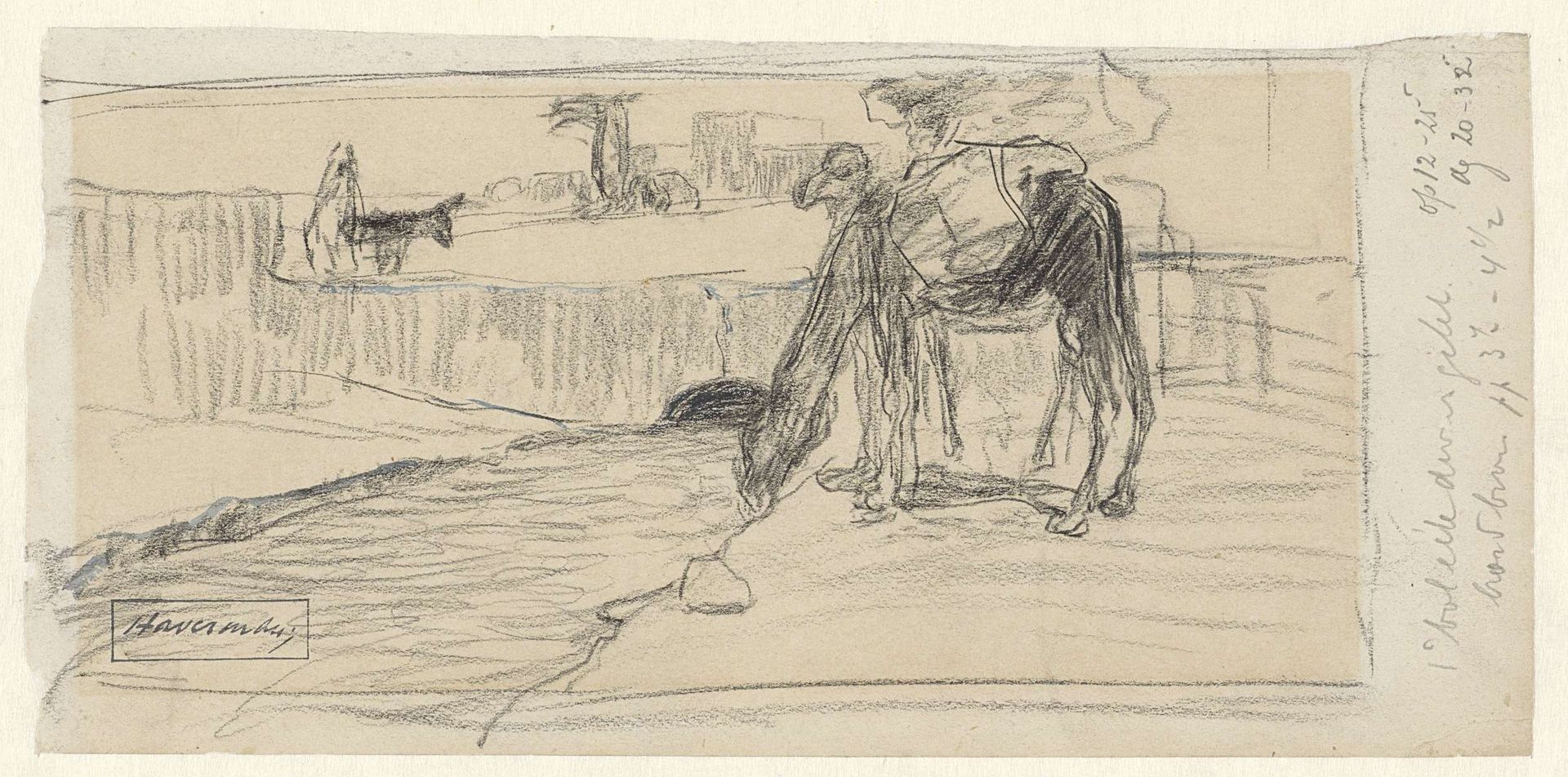
Hendrik Johannes Haverman sketched “Drinkende kamelen bij nederzetting” with graphite, sometime in the late 19th or early 20th century. The image depicts camels drinking water near a settlement and the artist's choice of subject reflects Europe’s increasing colonial engagement with the Middle East and North Africa at this time. The sketch uses a dry medium, with a plain background. The cultural references, such as the Middle Eastern settlement, the camels and the figures wearing distinct traditional garments create meaning through these recognizable visual codes. Haverman was Dutch, from a nation that had been one of the primary colonizers in Asia, and we can find a certain colonial gaze in this exoticizing image. We can deepen our understanding of “Drinkende kamelen bij nederzetting” by considering Dutch colonial history, its artistic conventions, and Haverman's biography. Art historical research is about connecting artworks to the circumstances in which they are made. It is this rich social and institutional context that gives art its real value.
Drinkende kamelen bij nederzetting 1867 - 1928

Hendrik Johannes Haverman
1857 - 1928Location
RijksmuseumArtwork details
- Medium
- drawing, graphite
- Dimensions
- height 144 mm, width 298 mm
- Location
- Rijksmuseum
- Copyright
- Rijks Museum: Open Domain
Tags
drawing
landscape
figuration
graphite
Comments
No comments
About this artwork
Hendrik Johannes Haverman sketched “Drinkende kamelen bij nederzetting” with graphite, sometime in the late 19th or early 20th century. The image depicts camels drinking water near a settlement and the artist's choice of subject reflects Europe’s increasing colonial engagement with the Middle East and North Africa at this time. The sketch uses a dry medium, with a plain background. The cultural references, such as the Middle Eastern settlement, the camels and the figures wearing distinct traditional garments create meaning through these recognizable visual codes. Haverman was Dutch, from a nation that had been one of the primary colonizers in Asia, and we can find a certain colonial gaze in this exoticizing image. We can deepen our understanding of “Drinkende kamelen bij nederzetting” by considering Dutch colonial history, its artistic conventions, and Haverman's biography. Art historical research is about connecting artworks to the circumstances in which they are made. It is this rich social and institutional context that gives art its real value.
Comments
No comments