About this artwork
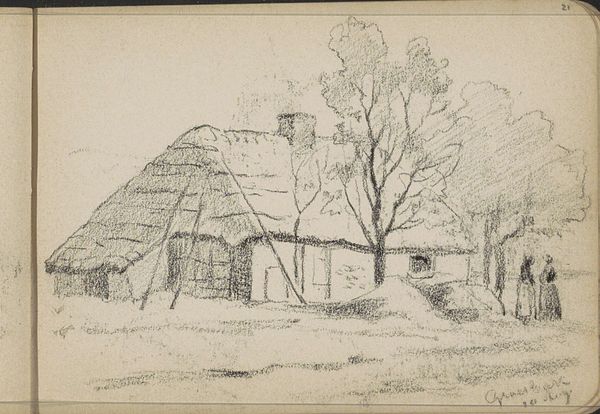
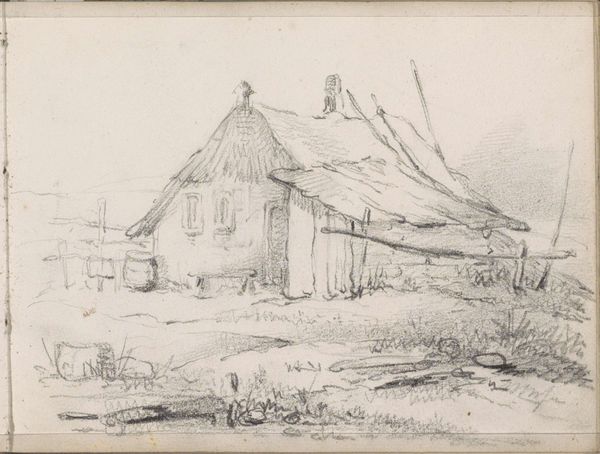
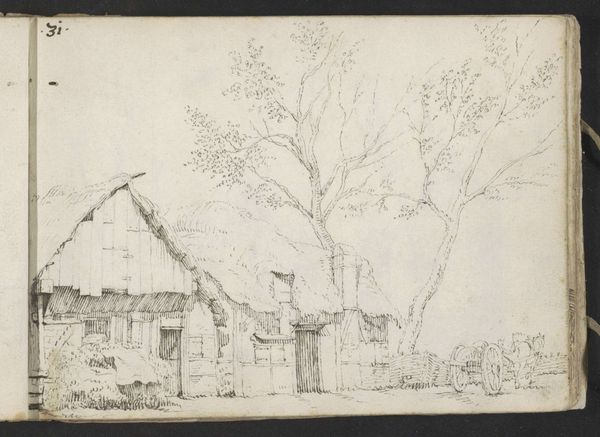
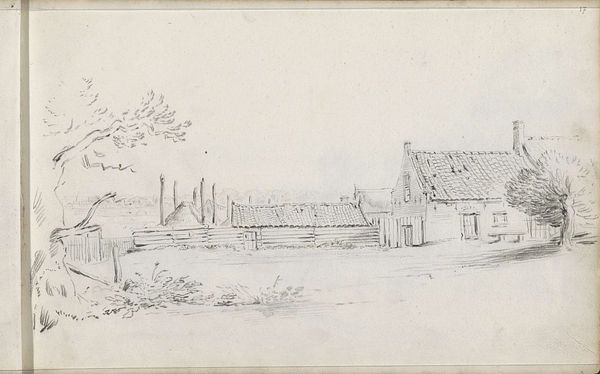
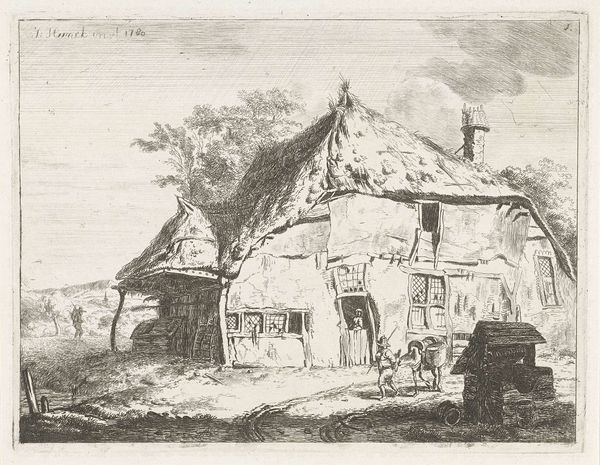
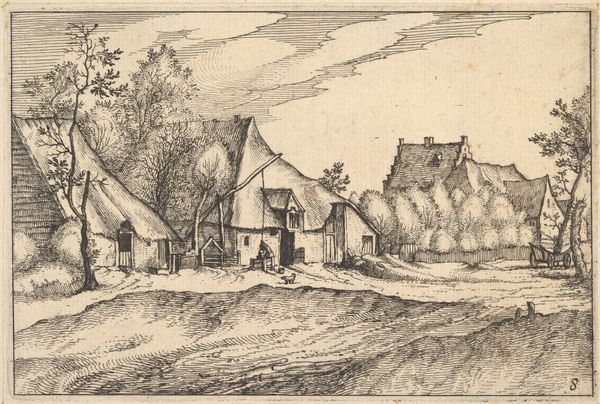
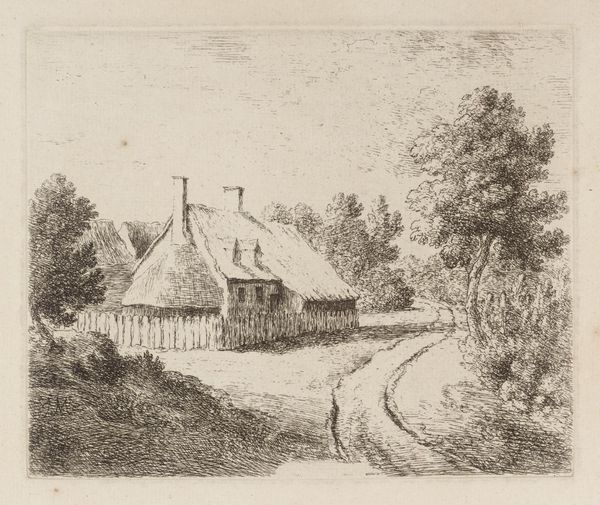
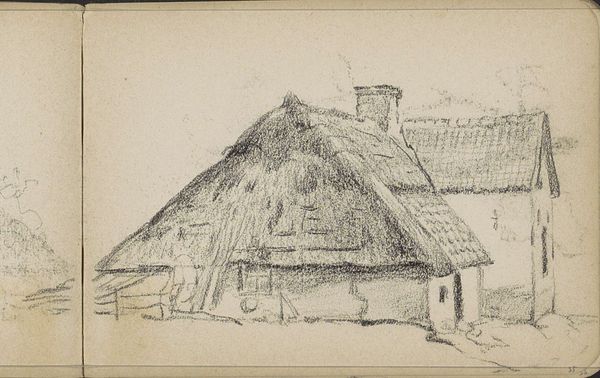
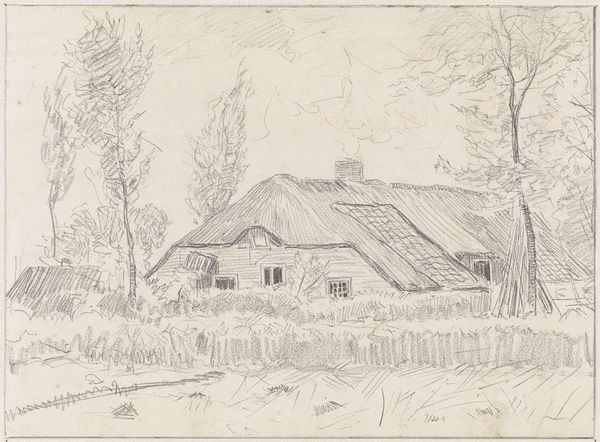
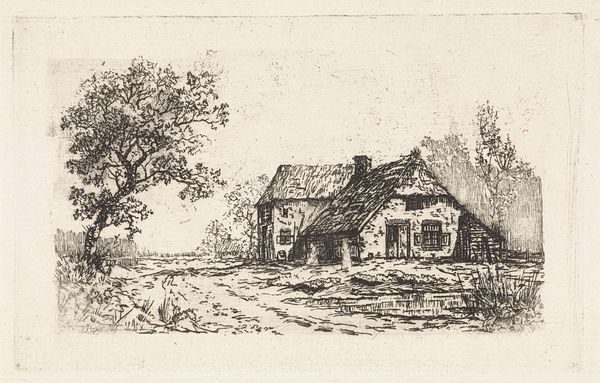
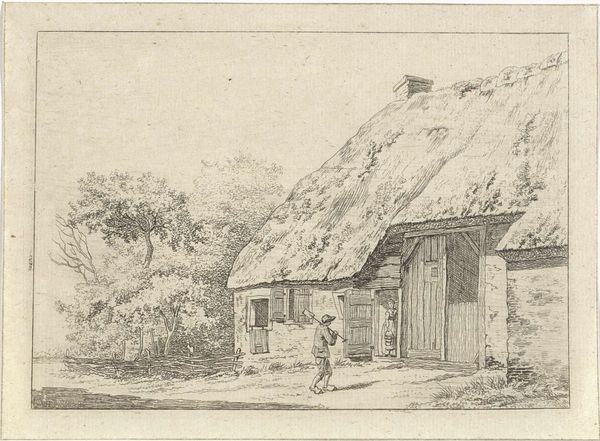
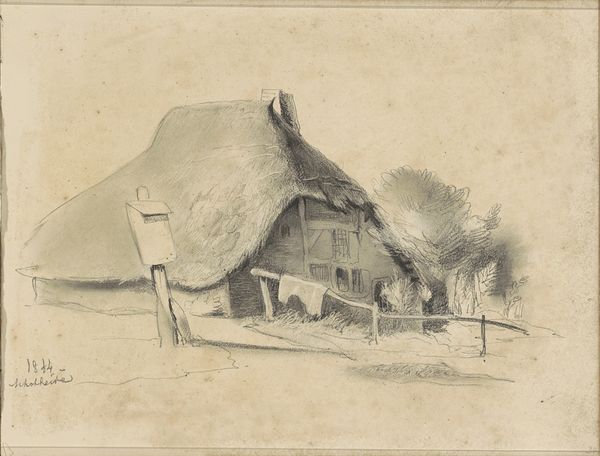
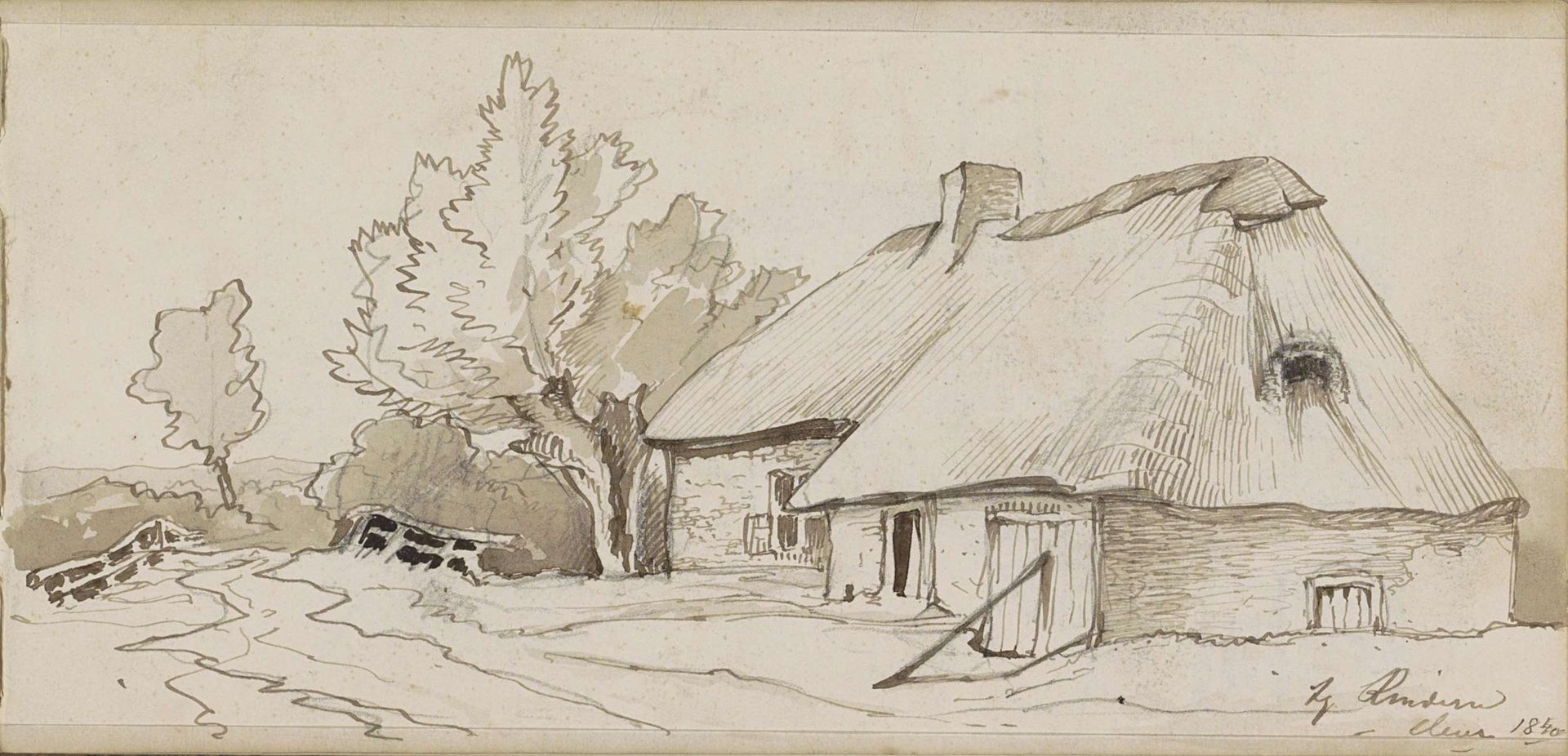
Johannes Tavenraat made this drawing, "Rindern in Kleef," using pen in grey ink. The composition presents a quaint, rural scene dominated by a thatched-roof house. Tavenraat's skillful use of line, combined with subtle shading, captures the rustic texture of the building. The landscape is rendered with loose strokes, evoking a sense of gentle informality. The artist strategically varies the weight of lines, adding depth and enhancing the interplay of light and shadow. Tavenraat's deliberate composition emphasizes the relationship between architecture and nature. The building is not just a structure, but an integrated part of its environment. His work reflects a broader artistic concern with the depiction of rural life and the picturesque qualities of the Dutch landscape. Observe how Tavenraat uses line to define form and create texture. This technique is not just descriptive; it’s an essential part of how the artwork communicates a mood, and a sense of place.

Artwork details
- Medium
- drawing, paper, ink
- Location
- Rijksmuseum
- Copyright
- Rijks Museum: Open Domain
Tags
drawing
landscape
paper
ink
romanticism
genre-painting
Comments
Be the first to share your thoughts about this work.
About this artwork
Johannes Tavenraat made this drawing, "Rindern in Kleef," using pen in grey ink. The composition presents a quaint, rural scene dominated by a thatched-roof house. Tavenraat's skillful use of line, combined with subtle shading, captures the rustic texture of the building. The landscape is rendered with loose strokes, evoking a sense of gentle informality. The artist strategically varies the weight of lines, adding depth and enhancing the interplay of light and shadow. Tavenraat's deliberate composition emphasizes the relationship between architecture and nature. The building is not just a structure, but an integrated part of its environment. His work reflects a broader artistic concern with the depiction of rural life and the picturesque qualities of the Dutch landscape. Observe how Tavenraat uses line to define form and create texture. This technique is not just descriptive; it’s an essential part of how the artwork communicates a mood, and a sense of place.
Comments
Be the first to share your thoughts about this work.