About this artwork
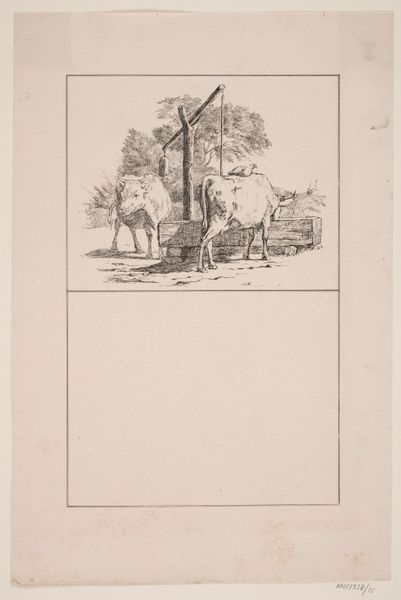
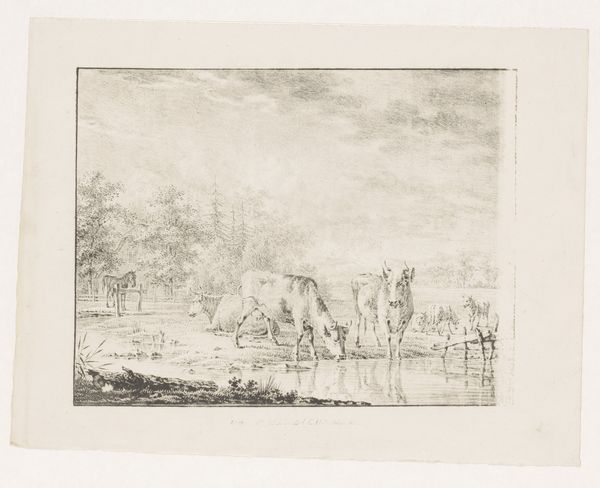
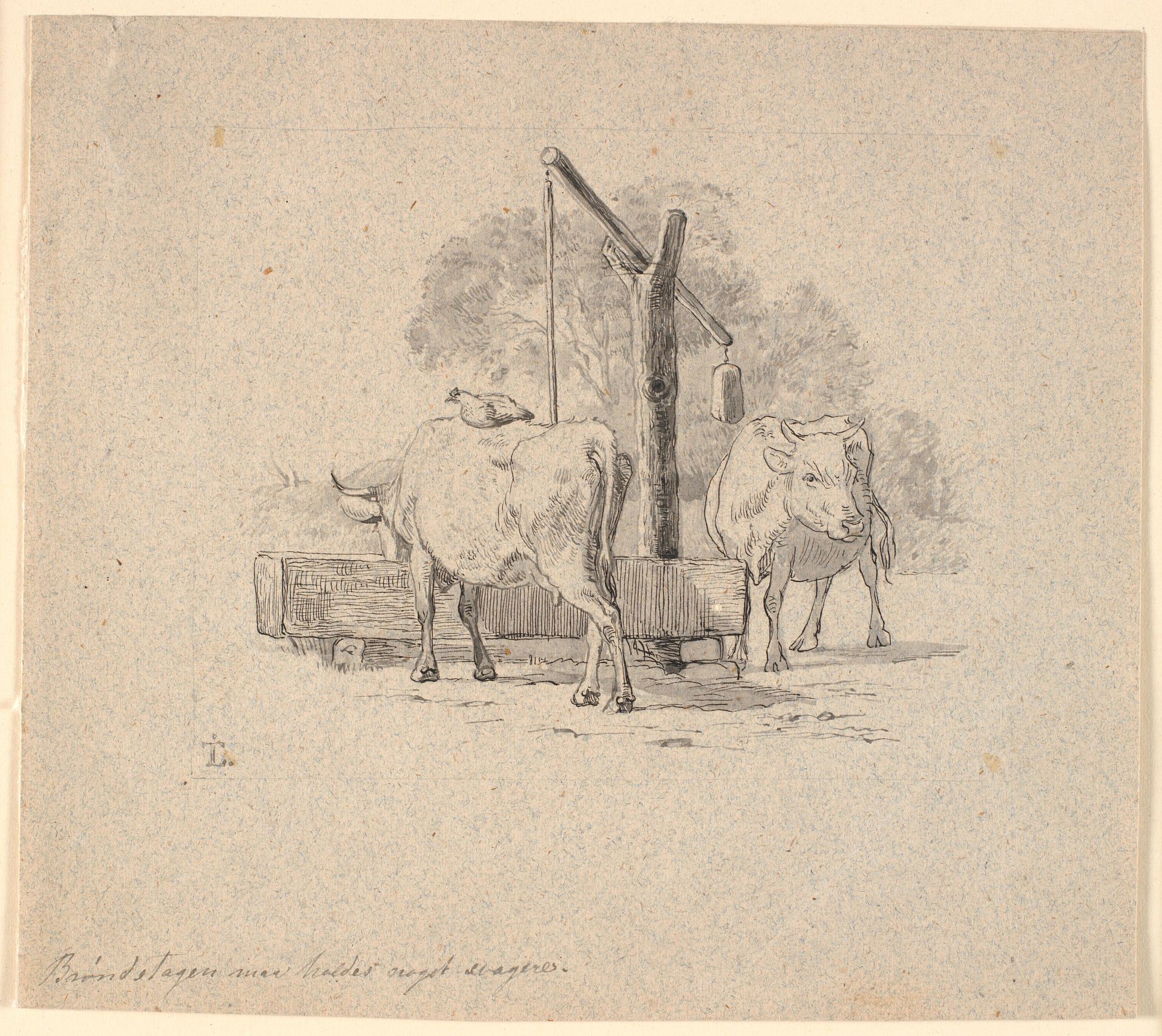
Johan Thomas Lundbye created this illustration for Kaalund's "Fabler for Børn" using pencil and paper. Lundbye, living in the early 19th century, was deeply embedded in Denmark's Golden Age, a period marked by a surge in national romanticism. Here, he gives us a humble scene: two cows at a watering trough, with a hen perched casually on one's back. The fable is brought to life with an understated grace. What does it mean to place the hen on the cow? Lundbye was very interested in depicting the Danish landscape and rural life accurately. He also imbued his works with deeper allegorical meanings. His images often evoke themes of national identity, nature, and the simple life. But even in the simple life there are complex relationships of power. This drawing invites us to reflect on the relationship between humans, animals, and the land. It represents the artist's connection to his cultural heritage, rendered with a tender, observant eye.
Hønen og koen. Illustration til Kaalunds "Fabler for Børn". Se kommentar fra arkkatalog.
1843


Artwork details
- Medium
- drawing, pencil
- Dimensions
- 150 mm (height) x 168 mm (width) (bladmaal)
- Location
- SMK - Statens Museum for Kunst
Tags
Comments
Share your thoughts
About this artwork
Johan Thomas Lundbye created this illustration for Kaalund's "Fabler for Børn" using pencil and paper. Lundbye, living in the early 19th century, was deeply embedded in Denmark's Golden Age, a period marked by a surge in national romanticism. Here, he gives us a humble scene: two cows at a watering trough, with a hen perched casually on one's back. The fable is brought to life with an understated grace. What does it mean to place the hen on the cow? Lundbye was very interested in depicting the Danish landscape and rural life accurately. He also imbued his works with deeper allegorical meanings. His images often evoke themes of national identity, nature, and the simple life. But even in the simple life there are complex relationships of power. This drawing invites us to reflect on the relationship between humans, animals, and the land. It represents the artist's connection to his cultural heritage, rendered with a tender, observant eye.
Comments
Share your thoughts