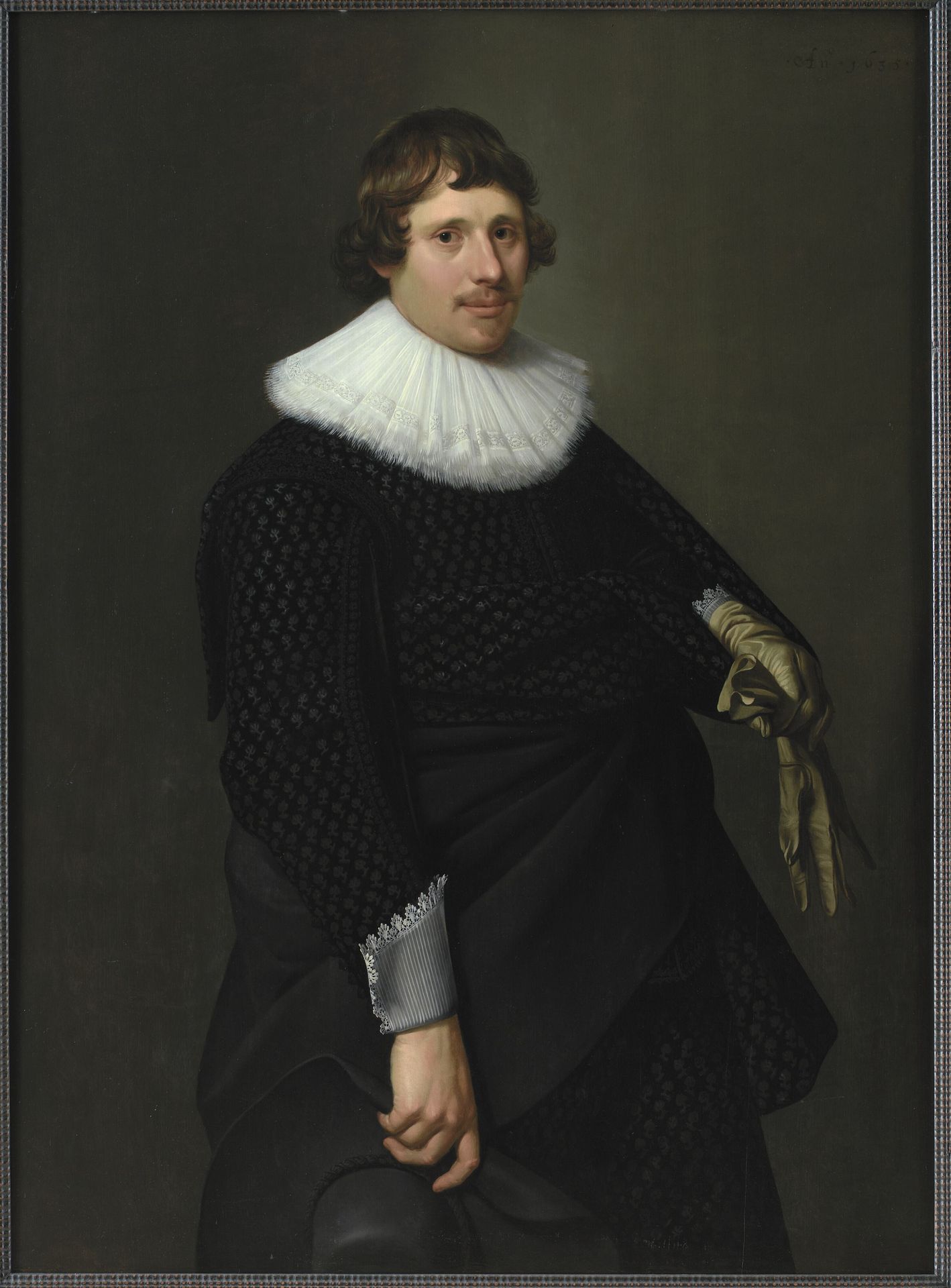
1635
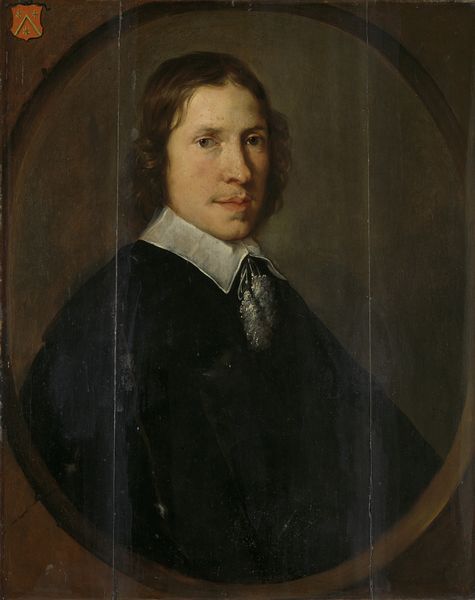
Portrait of a Man


Listen to curator's interpretation
Curatorial notes
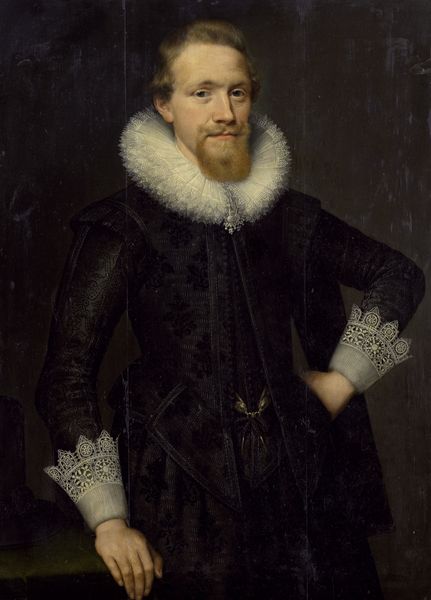
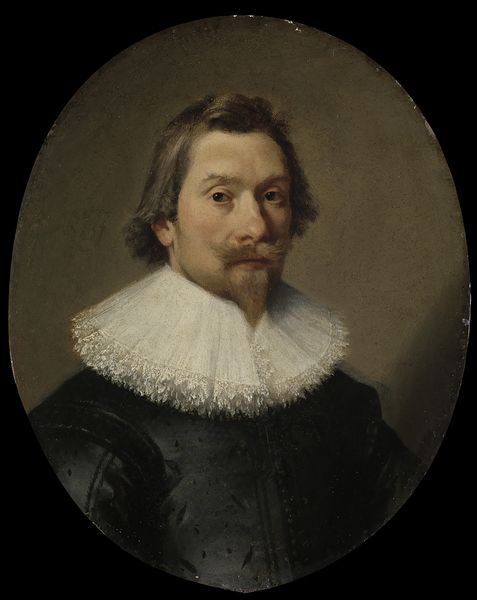
Nicolaes Eliasz Pickenoy painted this portrait of a man, its date unknown, with oil on canvas. The stark white ruff encircling the man's neck is more than mere fashion; it's a declaration. In its circular form, we find echoes of ancient solar discs, symbols of power and divinity. This motif isn’t confined to the Dutch Golden Age; we see variations in earlier Roman and Byzantine imperial portraits, where the halo served a similar purpose: to elevate and distinguish. Consider the psychological implications of this circular adornment. It acts as both a protective barrier and a focal point, drawing the eye and suggesting an aura of unapproachable authority. The collective memory of such symbols invests the wearer with an almost subconscious power, engaging viewers on a primal level. Such symbols never truly vanish; they resurface, evolve, and take on new meanings in the ever-turning cycles of history.