About this artwork
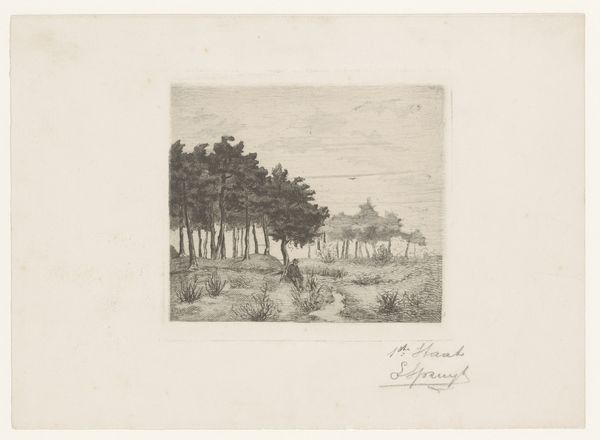
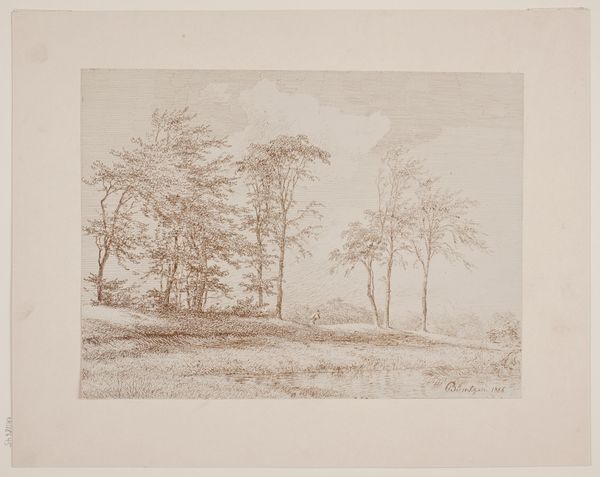
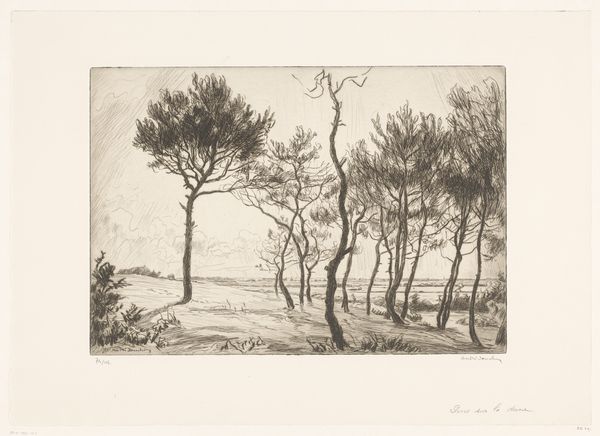
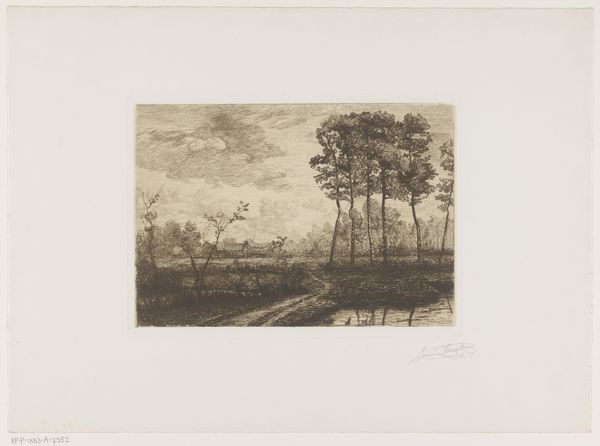
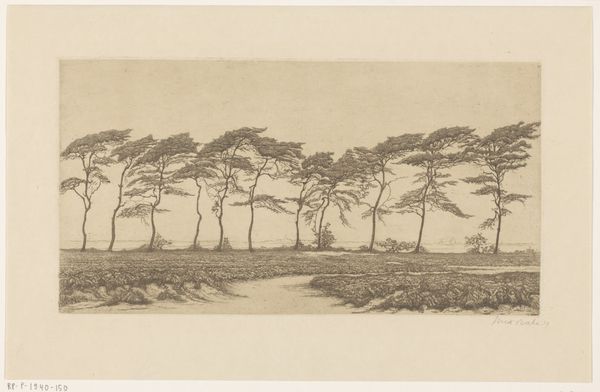
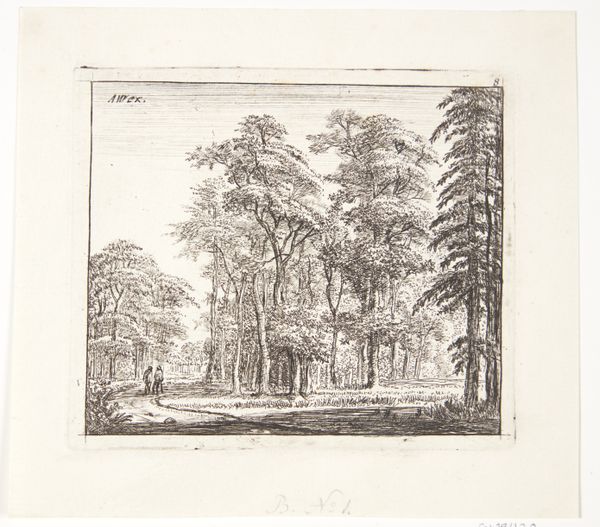
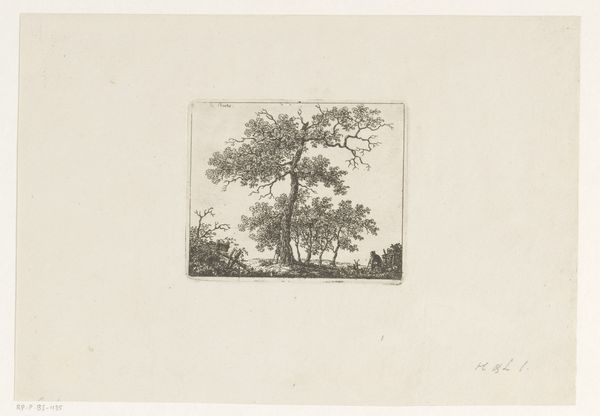
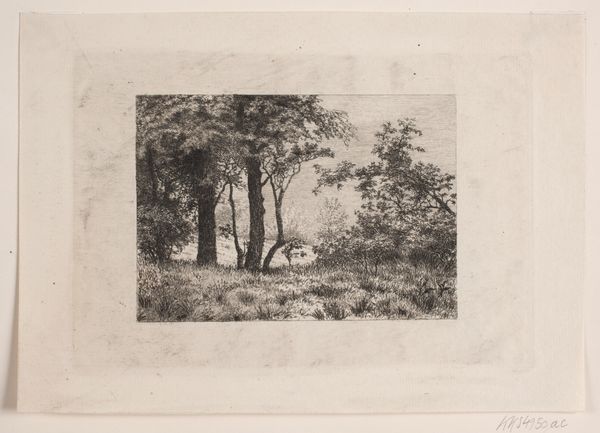
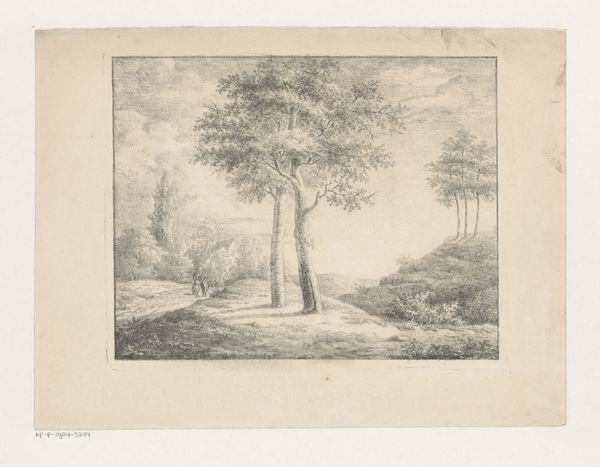
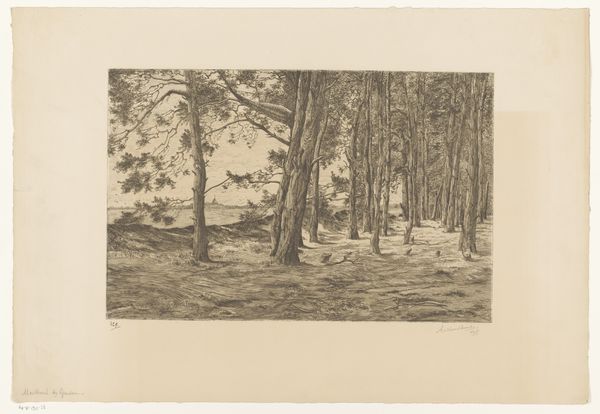
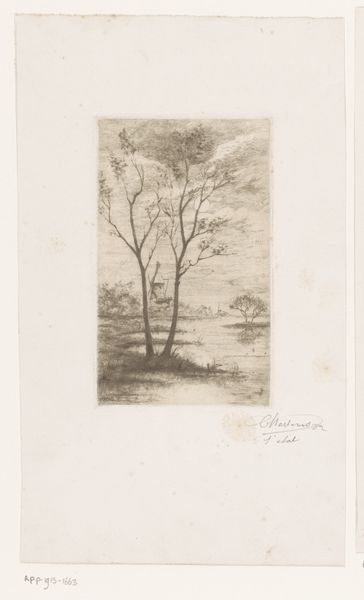
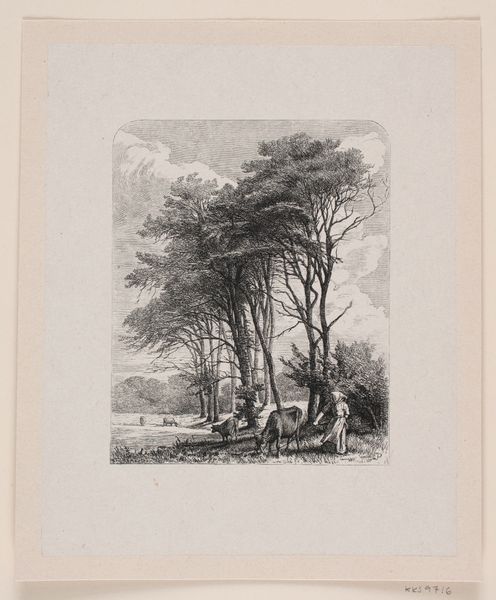
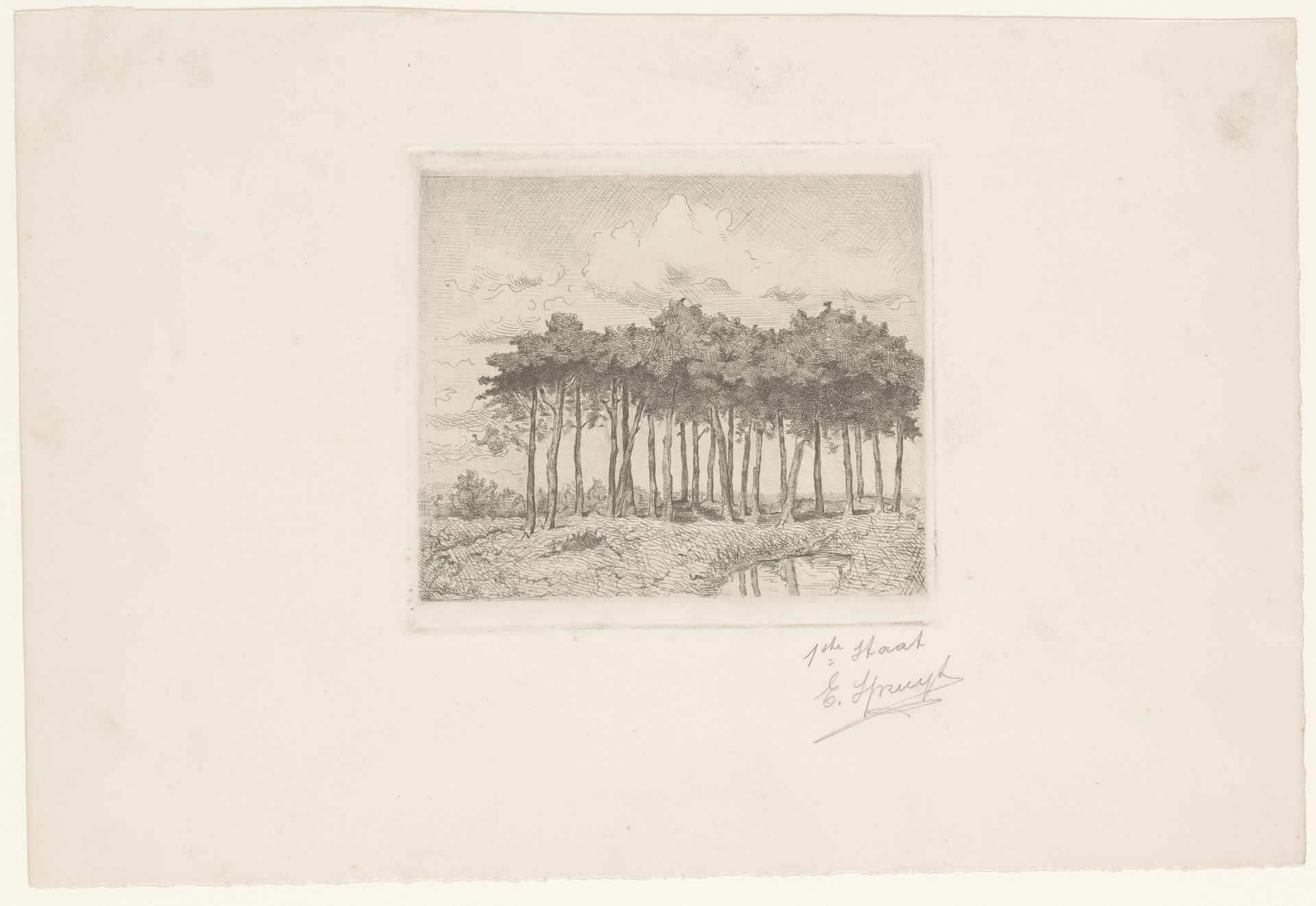
Emile Pierre Maria Spruyt created this etching of trees by a pool in the Netherlands at the turn of the twentieth century. The muted tones of the image might evoke a sense of tranquility, but it's worth considering the historical moment that produced it. The late 19th century saw the rise of industrialization and urbanization, which came at the expense of the Dutch countryside. Artists such as Spruyt were invested in preserving a vision of nature, one that was rapidly vanishing. The etching is a visual code for this kind of national and cultural preservation, but it also raises questions about how this landscape was managed and by whom. Were these areas accessible to all or only to an elite few? Examining the historical context of this work allows us to think about art’s role in shaping our relationship to nature. We can better understand the significance of the image by researching the social and environmental policies of the Netherlands at the time.

Artwork details
- Medium
- drawing, print, etching, paper, graphite
- Dimensions
- height 145 mm, width 160 mm
- Copyright
- Rijks Museum: Open Domain
Tags
Comments
Share your thoughts
About this artwork
Emile Pierre Maria Spruyt created this etching of trees by a pool in the Netherlands at the turn of the twentieth century. The muted tones of the image might evoke a sense of tranquility, but it's worth considering the historical moment that produced it. The late 19th century saw the rise of industrialization and urbanization, which came at the expense of the Dutch countryside. Artists such as Spruyt were invested in preserving a vision of nature, one that was rapidly vanishing. The etching is a visual code for this kind of national and cultural preservation, but it also raises questions about how this landscape was managed and by whom. Were these areas accessible to all or only to an elite few? Examining the historical context of this work allows us to think about art’s role in shaping our relationship to nature. We can better understand the significance of the image by researching the social and environmental policies of the Netherlands at the time.
Comments
Share your thoughts