About this artwork
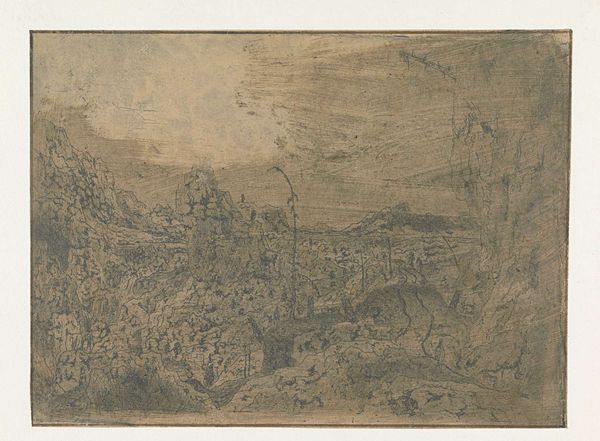
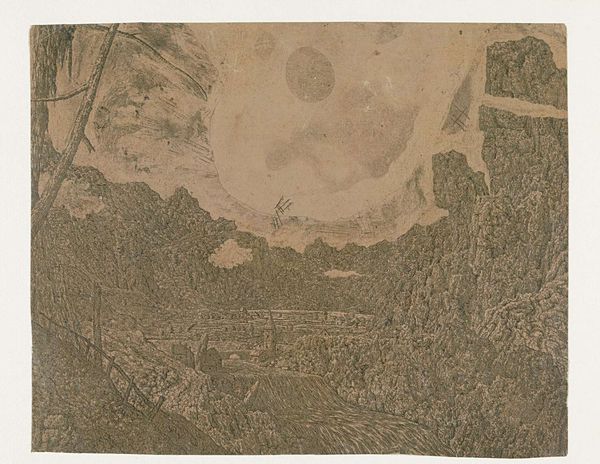
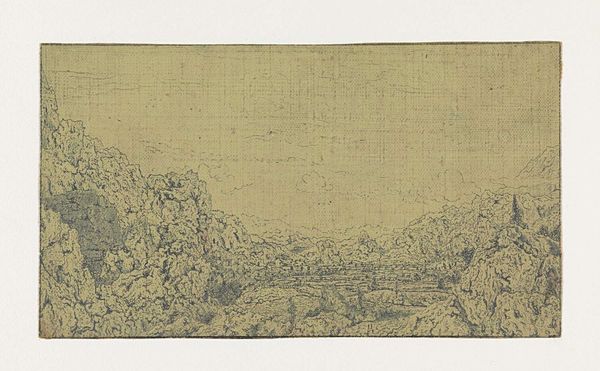
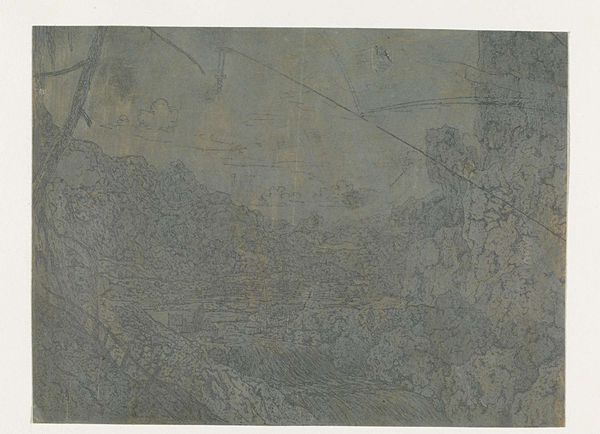
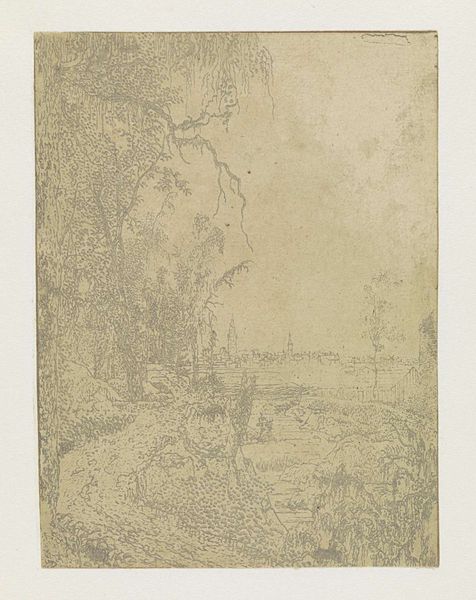
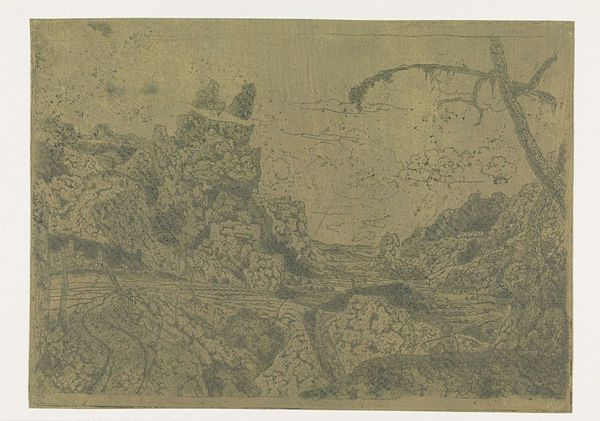
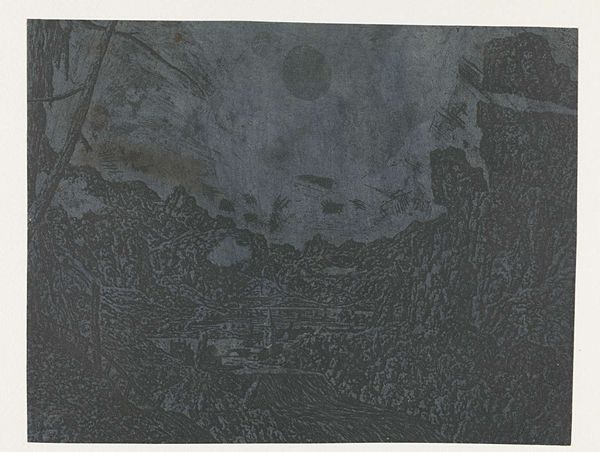
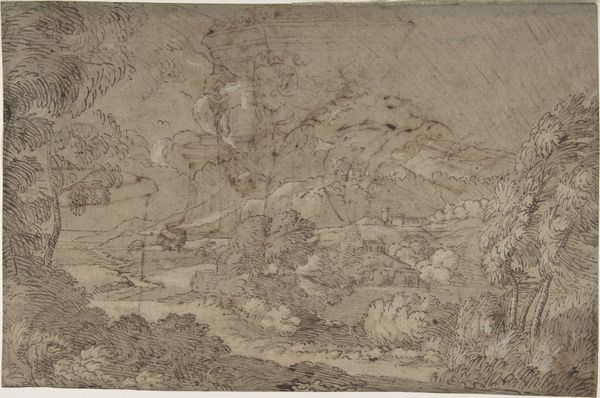
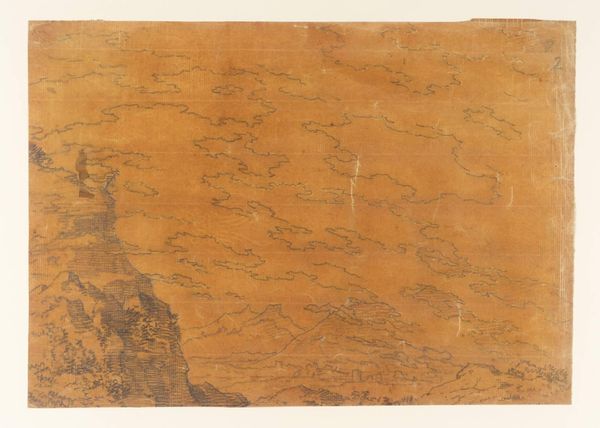
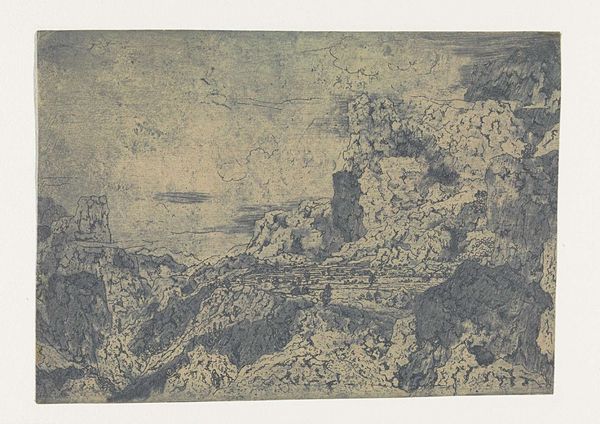
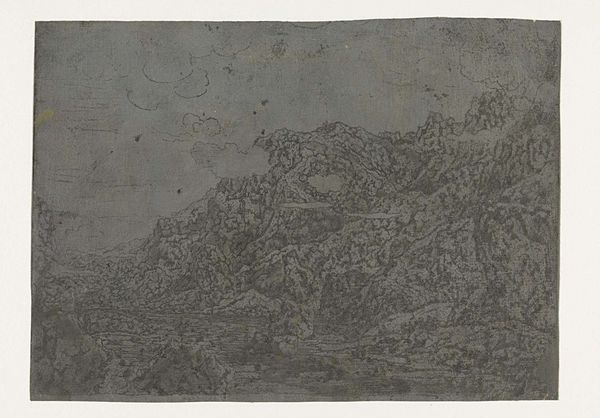
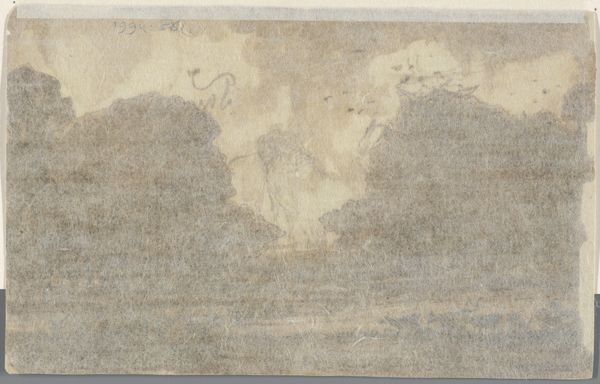
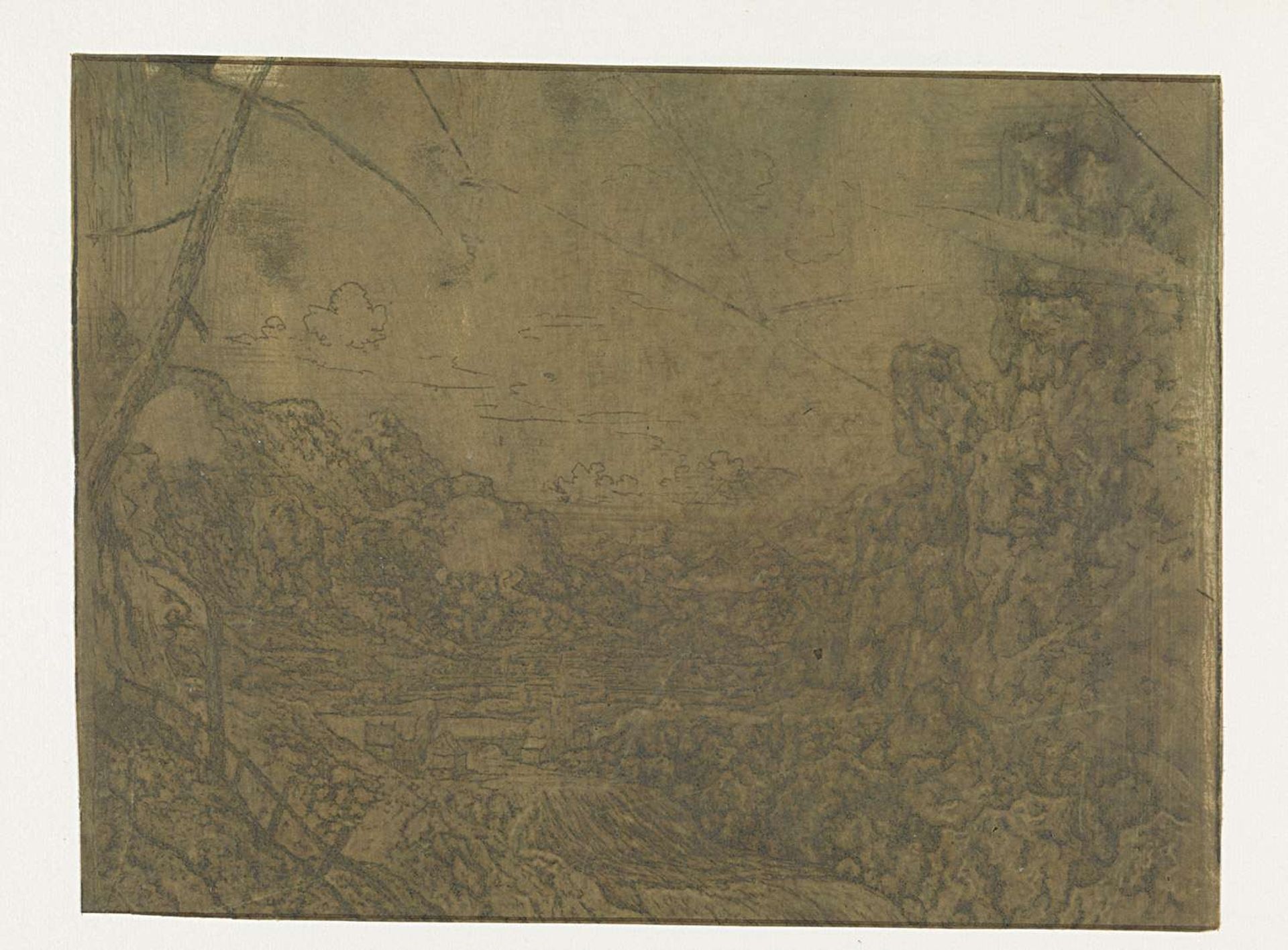
Hercules Segers made this etching, "Landscape with a Waterfall," sometime in the early 17th century. Segers was working in the Netherlands during the Dutch Golden Age, a time of immense economic growth and artistic production. Here, Segers uses the etching process to create a sweeping vista of a mountainous landscape. The cultural context here is the development of landscape painting as a distinct genre. Prior to this, landscapes were typically backdrops for other scenes. But here the landscape itself takes center stage, reflecting a growing interest in the natural world, which in turn influenced scientific and technological developments. The image creates meaning through its low horizon line, which emphasizes the vastness of the sky and the artist's masterful handling of light and shadow. Art historians consult a variety of sources to better understand works like this; archival records, studies of patronage, and the history of printmaking techniques. The meaning of art is always contingent on its historical moment.
Landscape with a Waterfall, First Version
c. 1625 - 1627

Hercules Segers
1590 - 1638Location
RijksmuseumArtwork details
- Medium
- print, etching
- Dimensions
- height 150 mm, width 199 mm
- Location
- Rijksmuseum
- Copyright
- Rijks Museum: Open Domain
Tags
Comments
Share your thoughts
About this artwork
Hercules Segers made this etching, "Landscape with a Waterfall," sometime in the early 17th century. Segers was working in the Netherlands during the Dutch Golden Age, a time of immense economic growth and artistic production. Here, Segers uses the etching process to create a sweeping vista of a mountainous landscape. The cultural context here is the development of landscape painting as a distinct genre. Prior to this, landscapes were typically backdrops for other scenes. But here the landscape itself takes center stage, reflecting a growing interest in the natural world, which in turn influenced scientific and technological developments. The image creates meaning through its low horizon line, which emphasizes the vastness of the sky and the artist's masterful handling of light and shadow. Art historians consult a variety of sources to better understand works like this; archival records, studies of patronage, and the history of printmaking techniques. The meaning of art is always contingent on its historical moment.
Comments
Share your thoughts