About this artwork
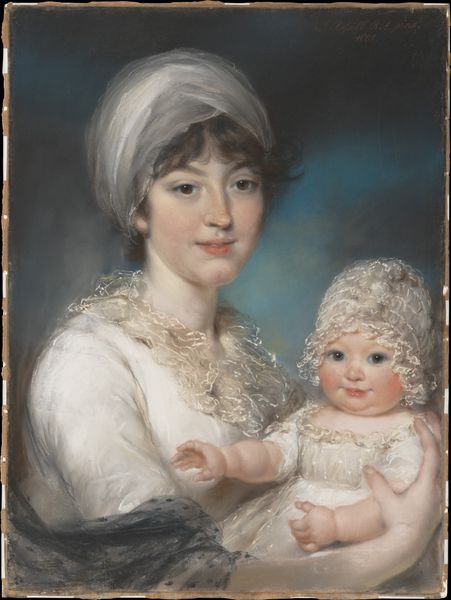
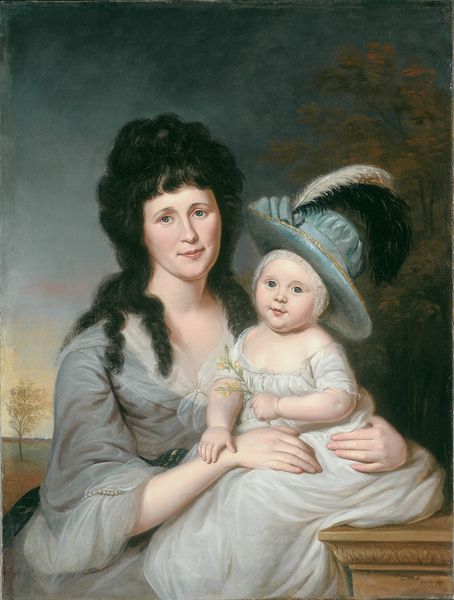
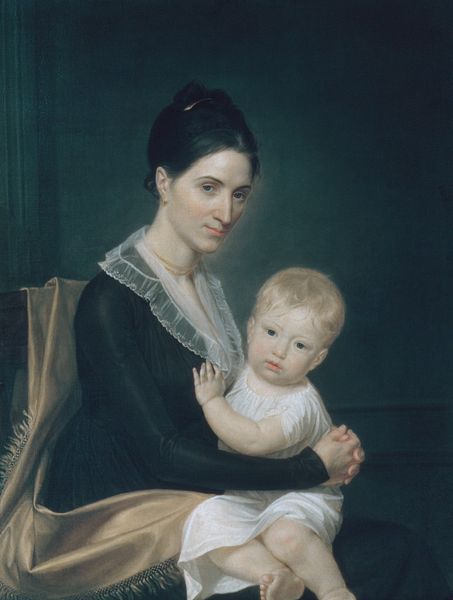
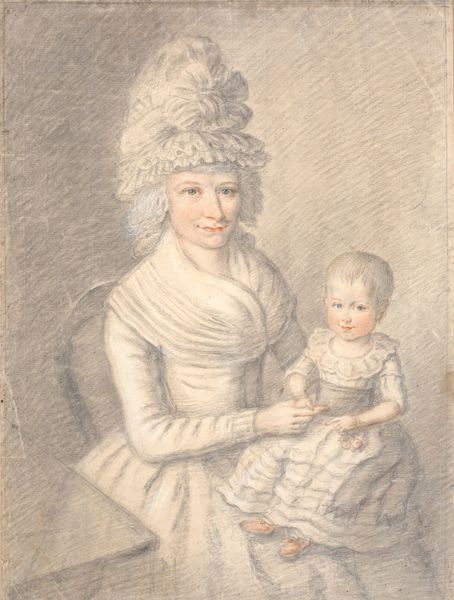
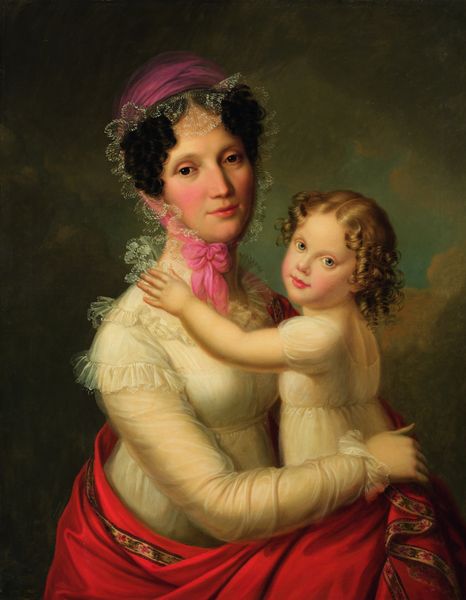
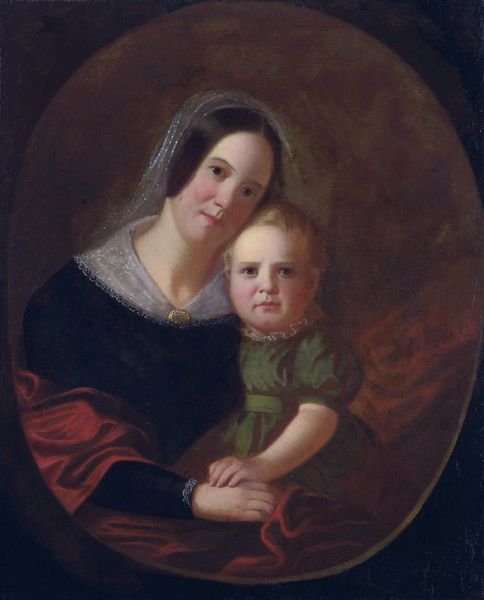
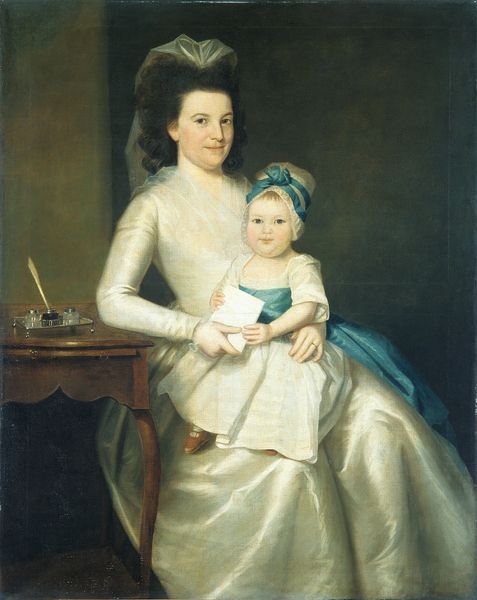
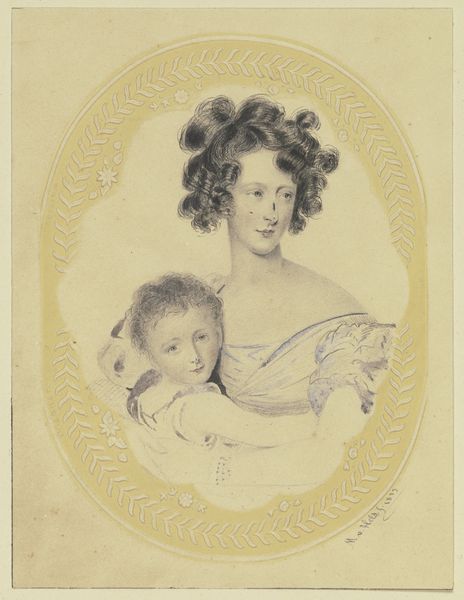
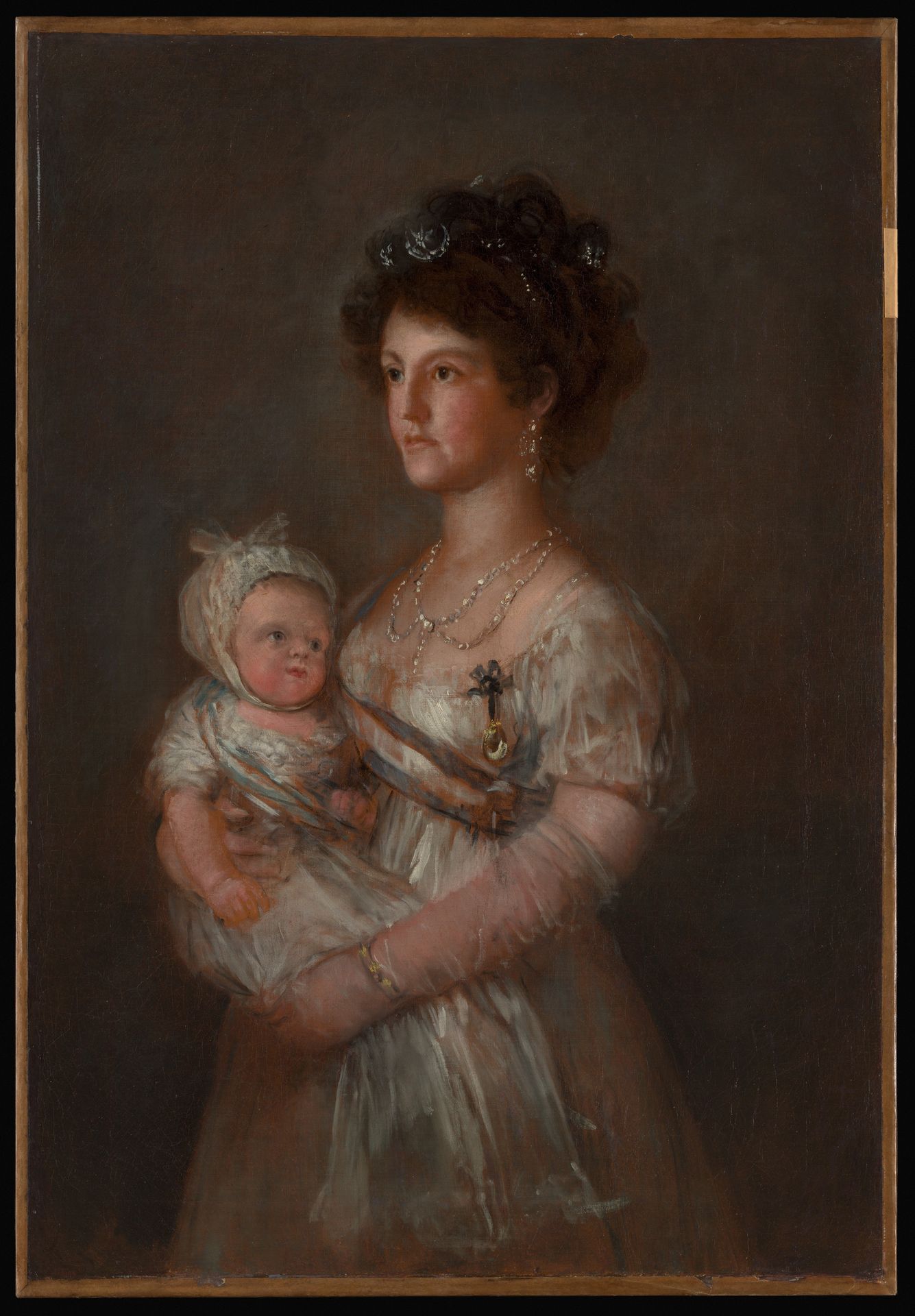
Francisco Goya painted this oil on canvas portrait of Infanta María Luisa and her son Carlos Luis, sometime in the early 1800s. It is a painting very much of its time, in terms of its composition and subject matter. Royal portraiture was, of course, a long-established genre across Europe, intended to convey power and dynastic continuity. Note the trappings of royalty in the Infanta's dress. Goya was a court painter, so this commission came through the Spanish Royal institution. But Goya also had a critical eye. This painting is not as flattering as court portraiture usually was, and this could have been a subtle commentary on the Spanish Aristocracy at that time. It's worth noting that the Spanish Royal family was in decline at the time, and the French Revolution had happened not long before, so there was a sense that the old order was under threat. To understand this painting better, we would need to know more about Goya’s relationship with the Spanish court, and how the painting was received when it was first displayed.
Infanta María Luisa (1782–1824) and Her Son Carlos Luis (1799–1883)
1800 - 1805


Artwork details
- Medium
- painting, oil-paint
- Dimensions
- 39 1/8 x 27 in. (99.4 x 68.6 cm)
- Location
- Metropolitan Museum of Art, New York, NY
- Copyright
- Public Domain
Tags
Comments
Share your thoughts
About this artwork
Francisco Goya painted this oil on canvas portrait of Infanta María Luisa and her son Carlos Luis, sometime in the early 1800s. It is a painting very much of its time, in terms of its composition and subject matter. Royal portraiture was, of course, a long-established genre across Europe, intended to convey power and dynastic continuity. Note the trappings of royalty in the Infanta's dress. Goya was a court painter, so this commission came through the Spanish Royal institution. But Goya also had a critical eye. This painting is not as flattering as court portraiture usually was, and this could have been a subtle commentary on the Spanish Aristocracy at that time. It's worth noting that the Spanish Royal family was in decline at the time, and the French Revolution had happened not long before, so there was a sense that the old order was under threat. To understand this painting better, we would need to know more about Goya’s relationship with the Spanish court, and how the painting was received when it was first displayed.
Comments
Share your thoughts