About this artwork
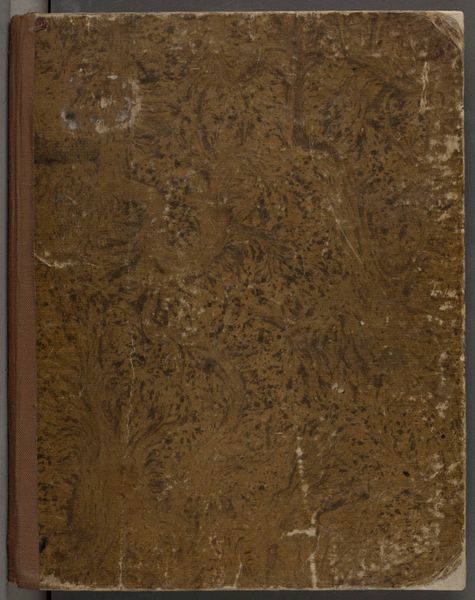
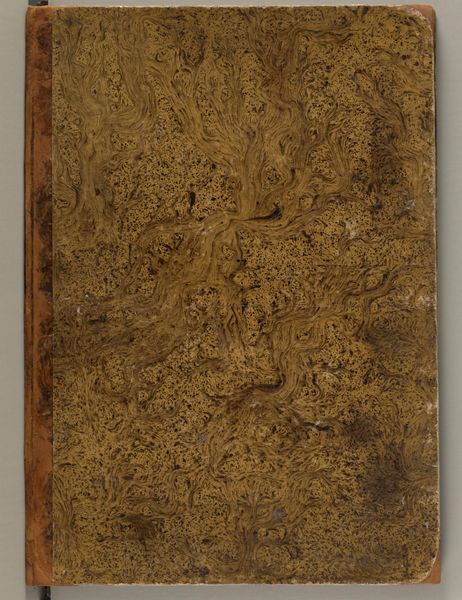
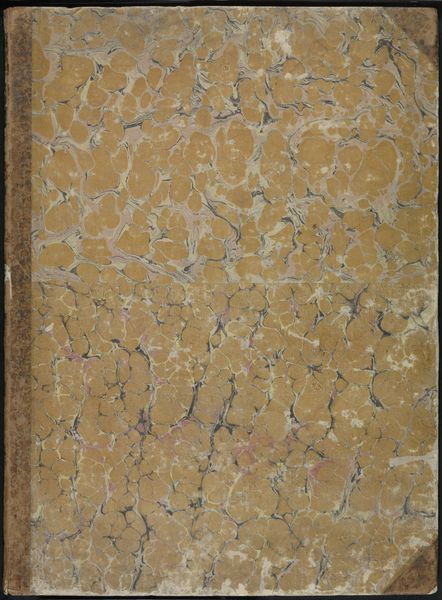
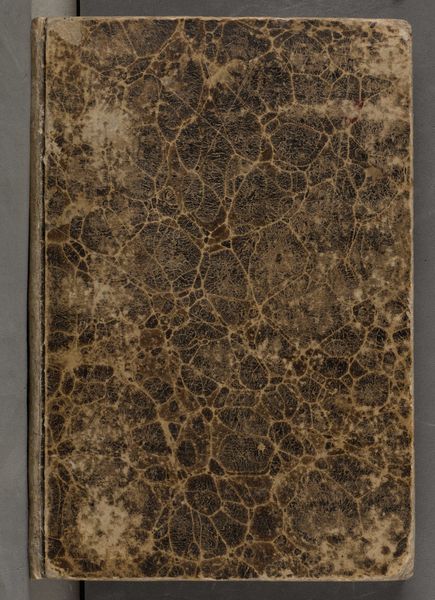
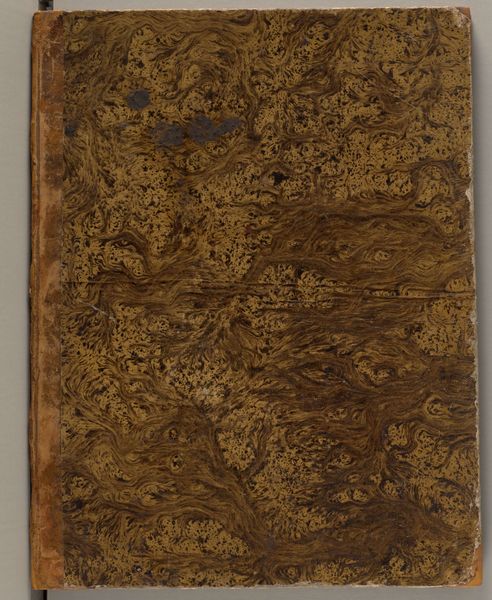
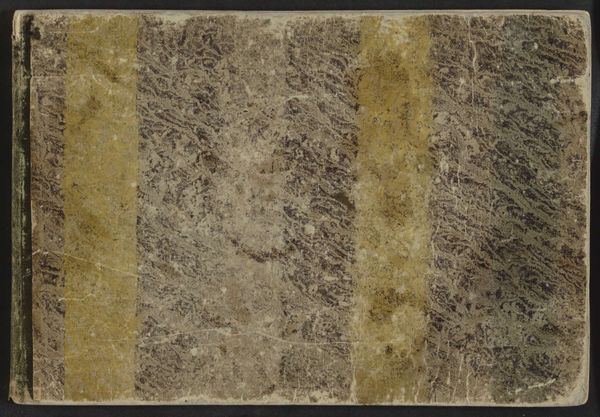
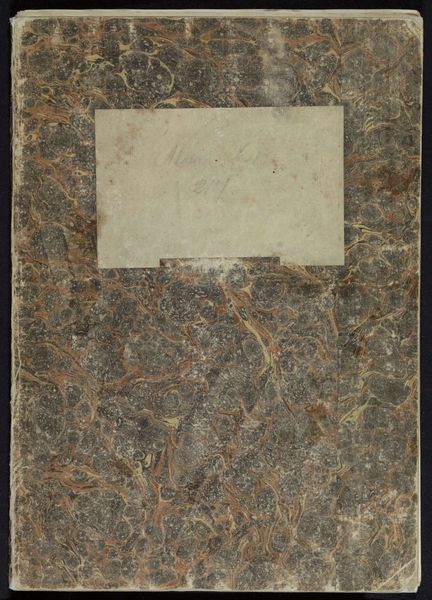
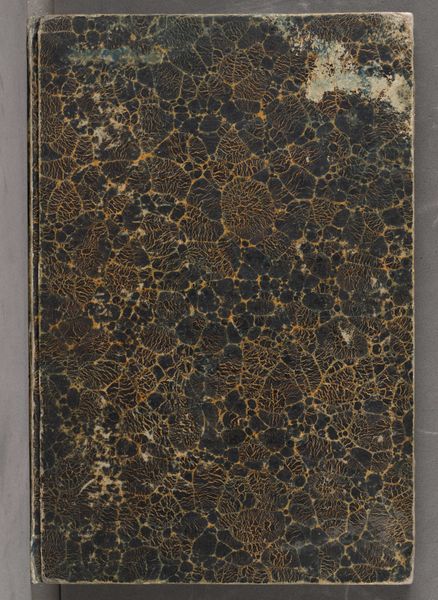
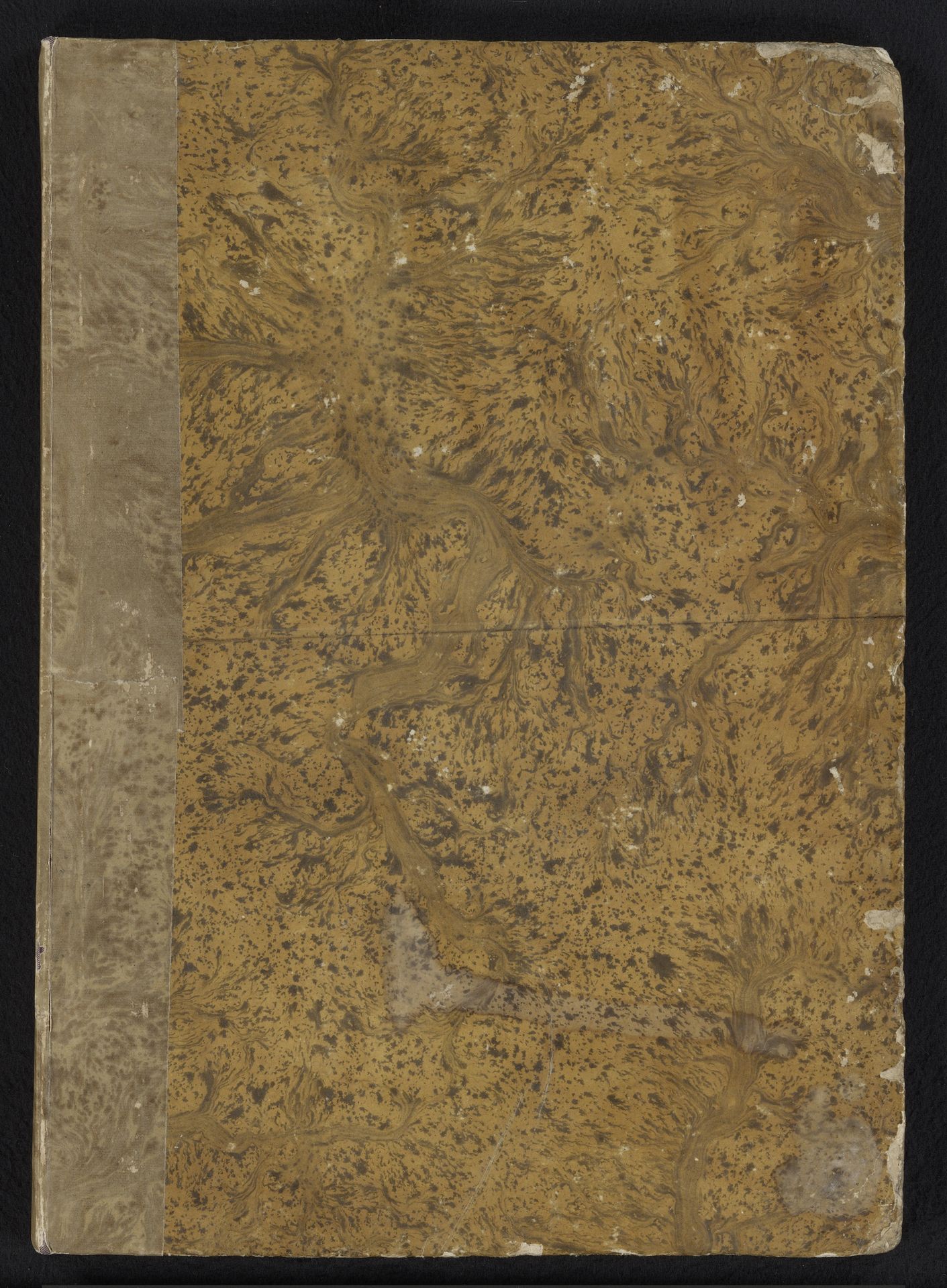
This book, "The Twenty-Four Hours of Human Happiness" by Giuseppe Maria Mitelli, presents a cover adorned with what appears to be tree-like patterns or veins across its surface. These branching, organic forms evoke the arbor vitae, or "tree of life," an ancient symbol representing the interconnectedness of all living things and the path from earthly existence to paradise. The tree as a motif stretches back millennia, appearing in myriad forms from the Norse Yggdrasil connecting the nine worlds, to the biblical Tree of Knowledge. These symbols are not merely decorative; they touch upon primal human concerns of mortality, wisdom, and our place in the cosmos. The "tree of life" evokes a deep emotional response, reminding us of our own growth, decay, and the cyclical nature of existence. Such symbols re-emerge across time, each iteration layered with new cultural significance, yet retaining echoes of the past, their roots extending deep into our collective consciousness.
De vierentwintig uren van het menselijk geluk
1675

Giuseppe Maria Mitelli
1634 - 1718Location
RijksmuseumArtwork details
- Medium
- graphic-art, print
- Dimensions
- height 400 mm, width 285 mm, thickness 13 mm
- Location
- Rijksmuseum
- Copyright
- Rijks Museum: Open Domain
Tags
Comments
Share your thoughts
About this artwork
This book, "The Twenty-Four Hours of Human Happiness" by Giuseppe Maria Mitelli, presents a cover adorned with what appears to be tree-like patterns or veins across its surface. These branching, organic forms evoke the arbor vitae, or "tree of life," an ancient symbol representing the interconnectedness of all living things and the path from earthly existence to paradise. The tree as a motif stretches back millennia, appearing in myriad forms from the Norse Yggdrasil connecting the nine worlds, to the biblical Tree of Knowledge. These symbols are not merely decorative; they touch upon primal human concerns of mortality, wisdom, and our place in the cosmos. The "tree of life" evokes a deep emotional response, reminding us of our own growth, decay, and the cyclical nature of existence. Such symbols re-emerge across time, each iteration layered with new cultural significance, yet retaining echoes of the past, their roots extending deep into our collective consciousness.
Comments
Share your thoughts