c. 1822 - 1849
Robinson Crusoe

Schalekamp & Van de Grampel
@schalekampvandegrampelLocation
RijksmuseumListen to curator's interpretation
Curatorial notes
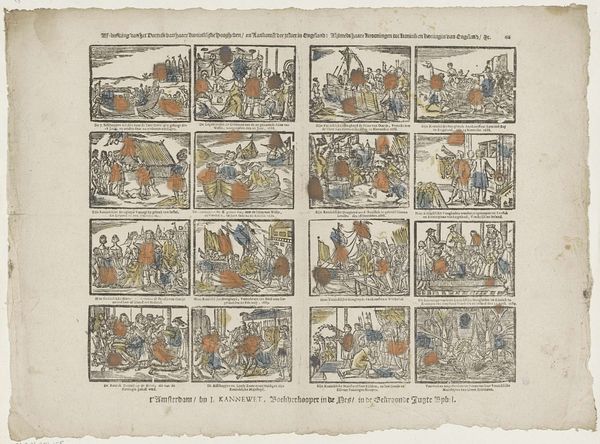
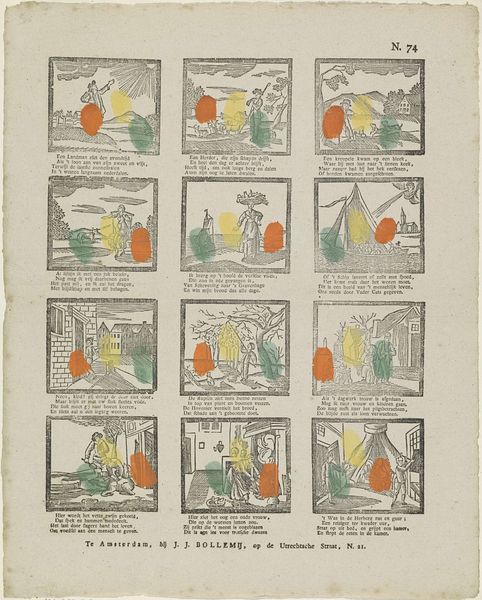
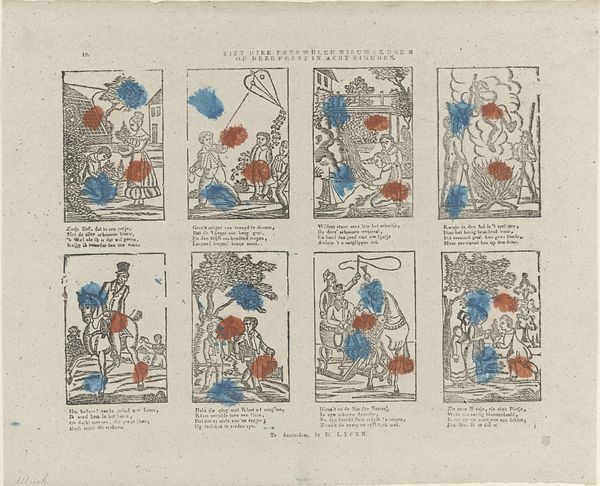
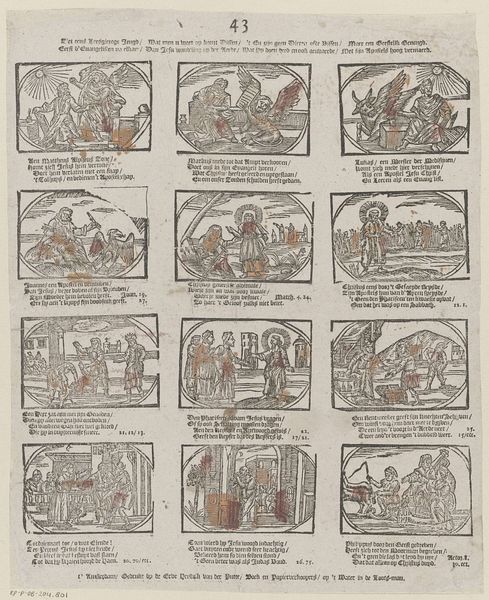
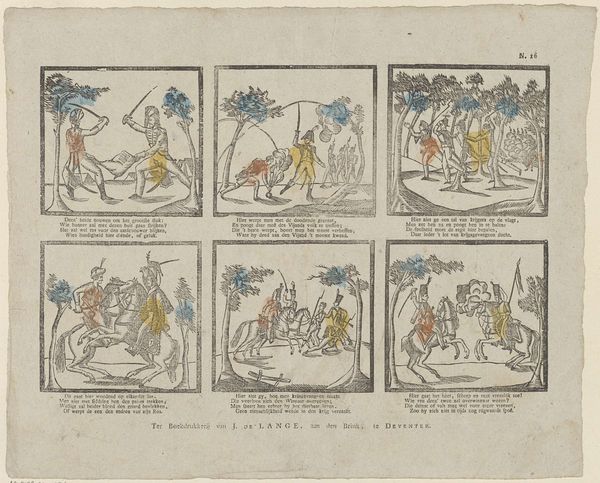
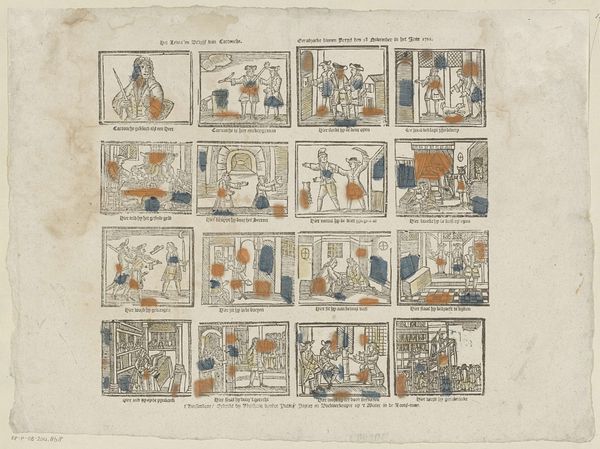
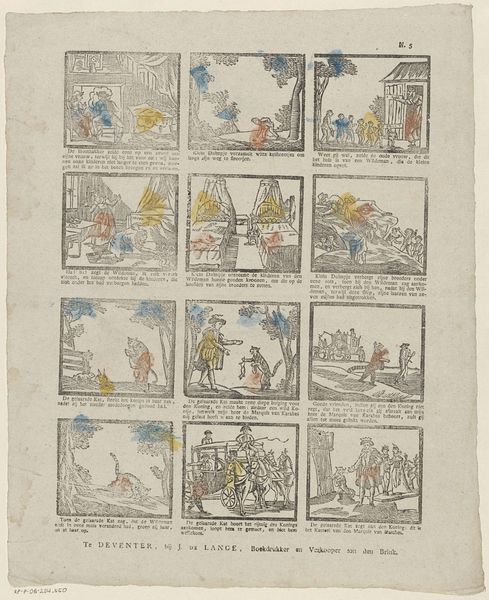
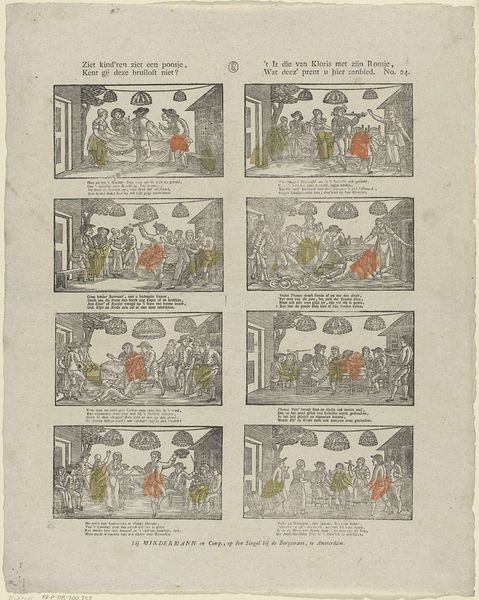
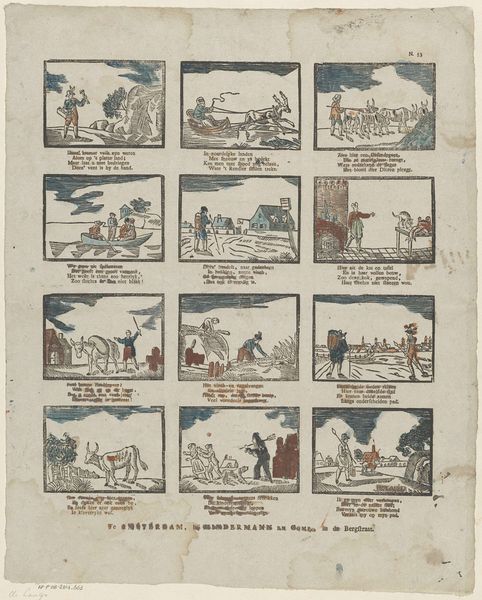
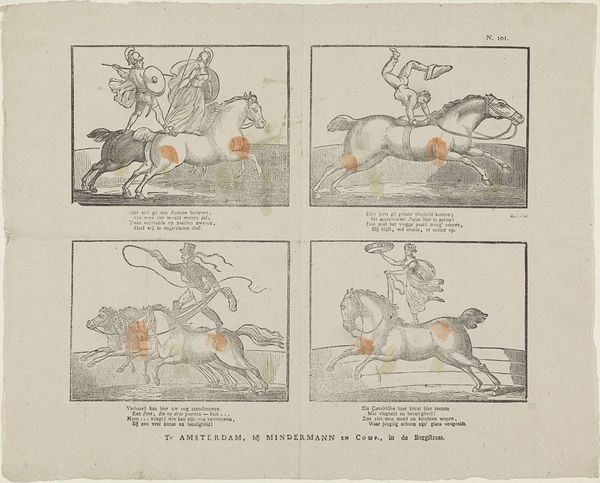
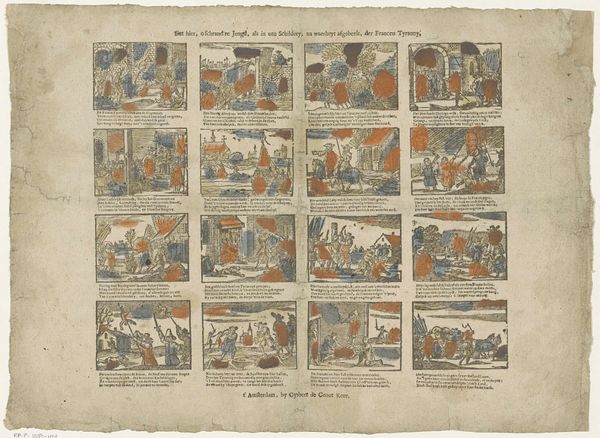
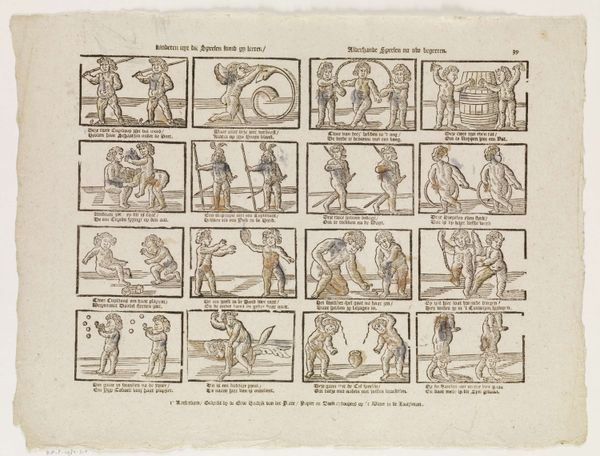
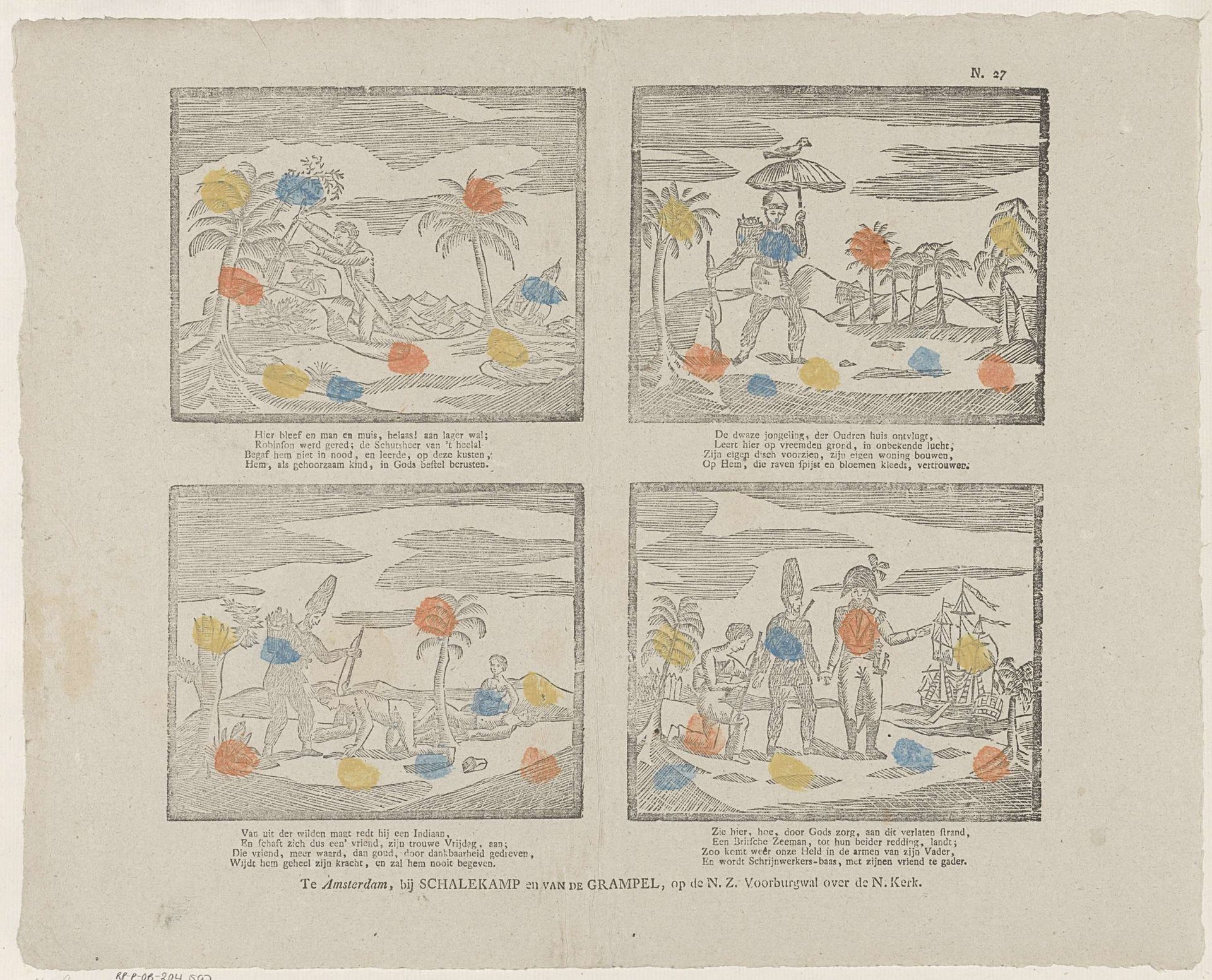
This print, made by Schalekamp & Van de Grampel, depicts scenes from Robinson Crusoe’s story. It’s printed on paper, using engraving, a process by which lines are incised into a metal plate, which is then inked and pressed onto the page. Look closely, and you’ll notice the meticulous detail achieved through this technique. The varying thickness and density of lines create light and shadow, shaping the figures and landscapes within each scene. The act of engraving is labour-intensive, demanding skilled artisans. Prints like this were commodities, intended for a broad audience hungry for accessible imagery. They were relatively inexpensive, mass-produced items, feeding a growing culture of consumption. In these simple lines, we see not only a story, but also the workings of an economy, and the democratizing power of printed images. It reminds us that art is always embedded in a network of production, distribution, and consumption.