About this artwork
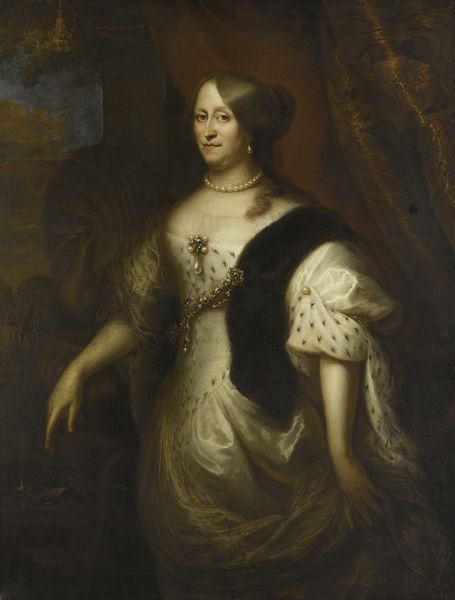
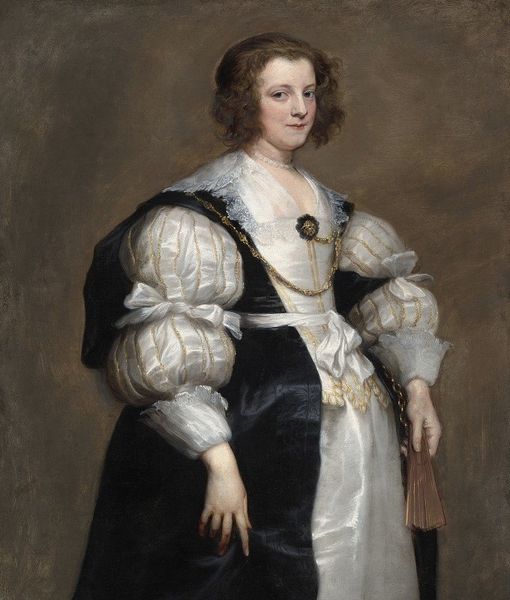
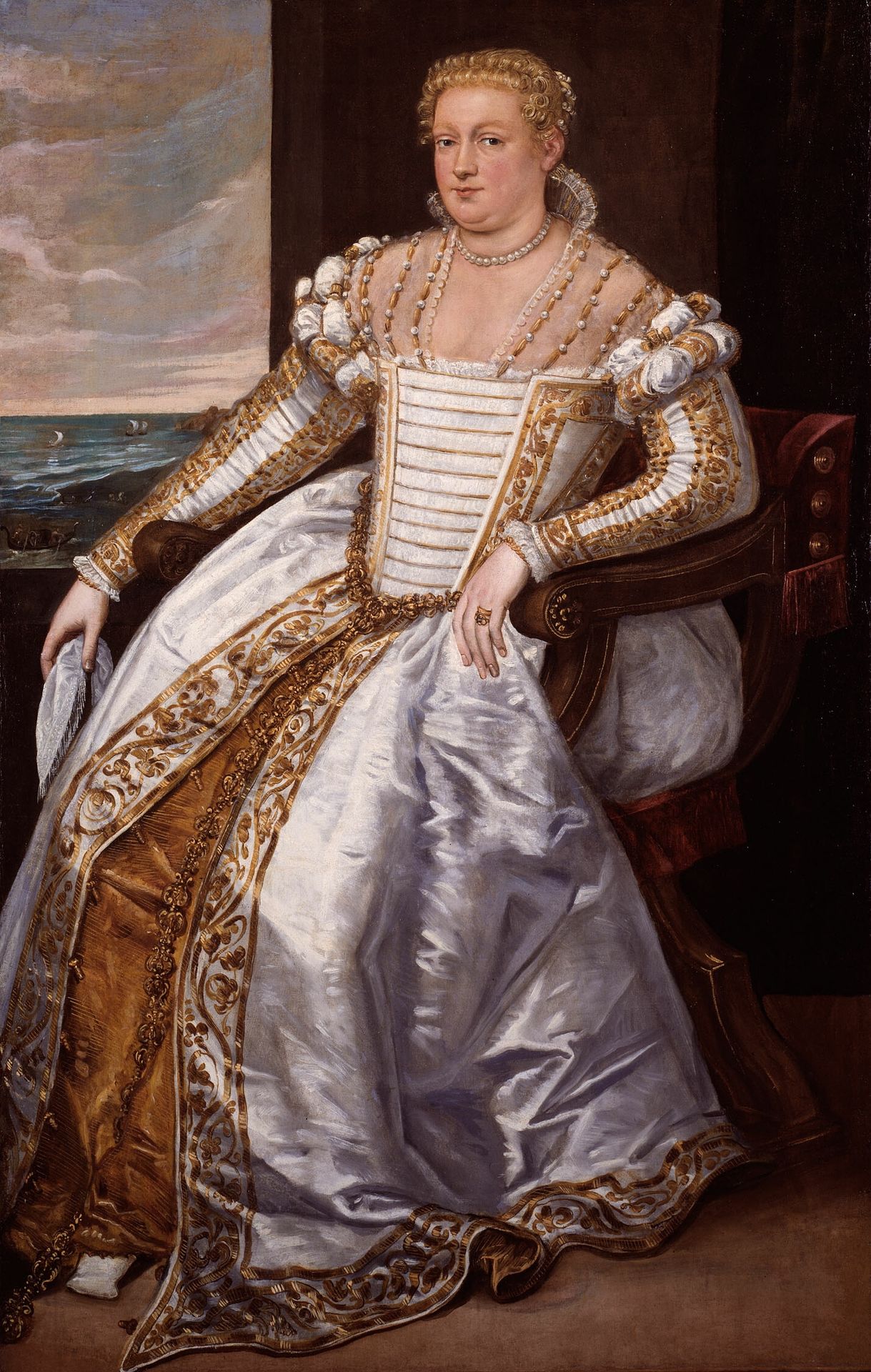
Giovanni Antonio Fasolo painted this portrait of a lady in the sixteenth century, capturing her opulent attire. The pearl necklace and the rings on her fingers were more than mere ornaments. In the Renaissance, pearls symbolized purity and were often associated with marriage and high social status. Similarly, rings, especially when worn on specific fingers, could signify family lineage, marital status, or allegiance to a particular guild or noble house. These symbols echo through history, appearing in various forms across different cultures. Consider how rings, even today, carry profound emotional weight, from engagement rings symbolizing commitment to signet rings denoting membership and loyalty. This echoes in ancient Roman portraiture, where the placement and design of rings similarly conveyed status and identity. Such objects resonate with us. We are unconsciously affected by the collective memory attached to these items, recognizing in them a reflection of our own desires for status, belonging, and identity. The portrait is not just an image of a woman, but a mirror reflecting our timeless human aspirations.
Portrait of a Lady
1565 - 1570


Artwork details
- Medium
- painting, oil-paint, oil-on-canvas
- Dimensions
- 179.5 × 115.7 cm (70 1/8 × 45 9/16 in.)
- Location
- The Art Institute of Chicago
- Copyright
- Public Domain
Tags
Comments
Share your thoughts
About this artwork
Giovanni Antonio Fasolo painted this portrait of a lady in the sixteenth century, capturing her opulent attire. The pearl necklace and the rings on her fingers were more than mere ornaments. In the Renaissance, pearls symbolized purity and were often associated with marriage and high social status. Similarly, rings, especially when worn on specific fingers, could signify family lineage, marital status, or allegiance to a particular guild or noble house. These symbols echo through history, appearing in various forms across different cultures. Consider how rings, even today, carry profound emotional weight, from engagement rings symbolizing commitment to signet rings denoting membership and loyalty. This echoes in ancient Roman portraiture, where the placement and design of rings similarly conveyed status and identity. Such objects resonate with us. We are unconsciously affected by the collective memory attached to these items, recognizing in them a reflection of our own desires for status, belonging, and identity. The portrait is not just an image of a woman, but a mirror reflecting our timeless human aspirations.
Comments
Share your thoughts