1793
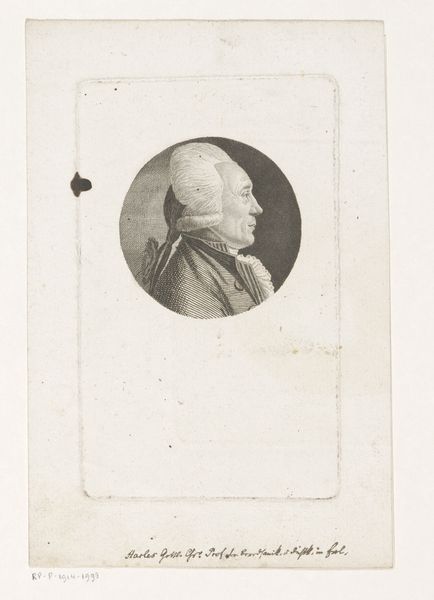
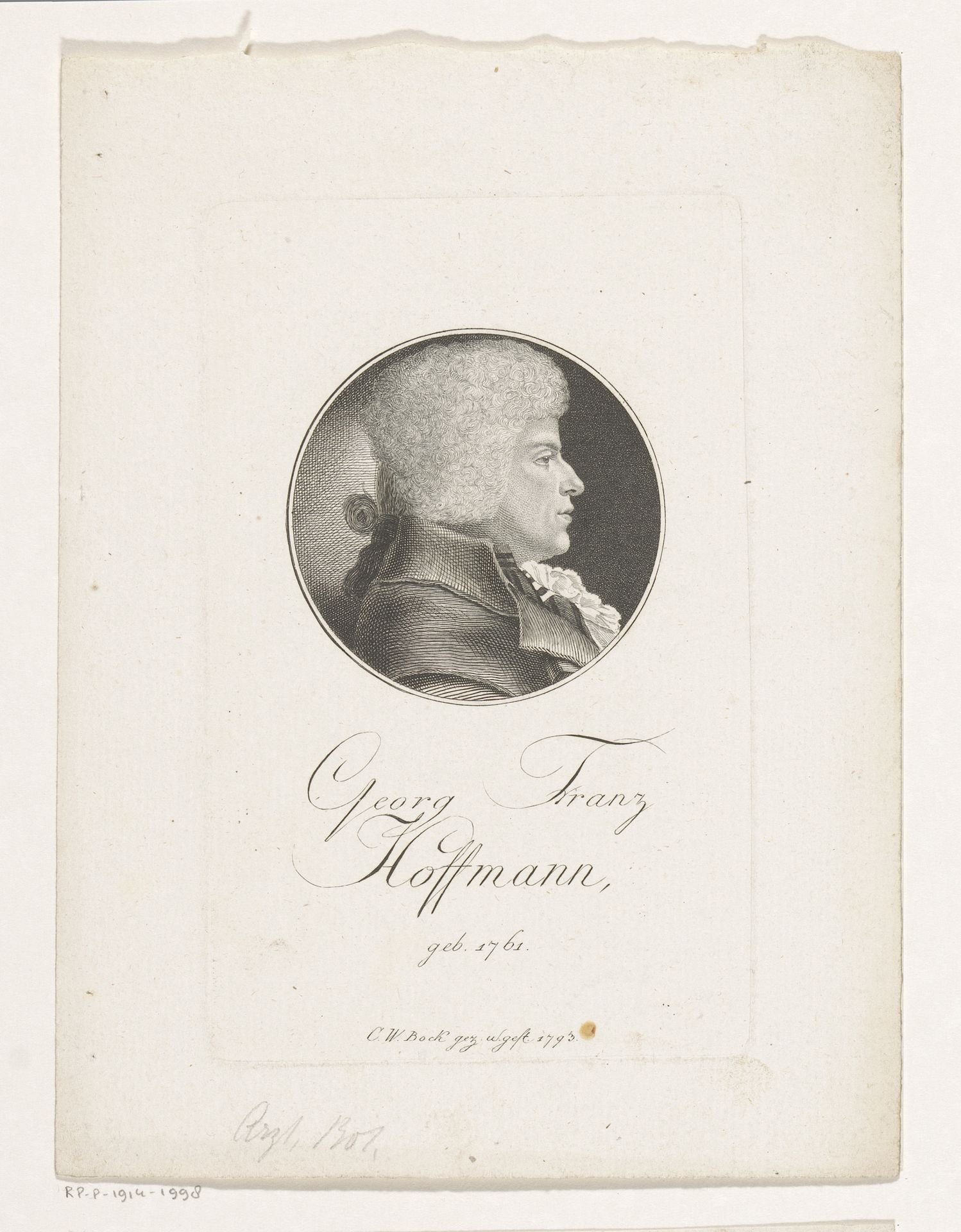
Portret van Georg Franz Hoffmann

Christoph-Wilhelm Bock
@christophwilhelmbockLocation
RijksmuseumListen to curator's interpretation
Curatorial notes
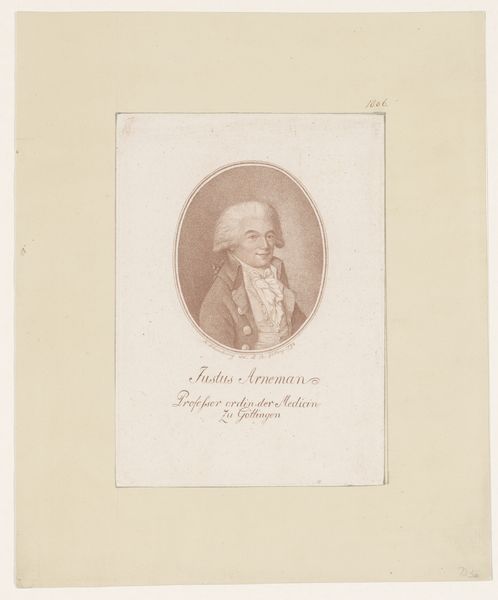
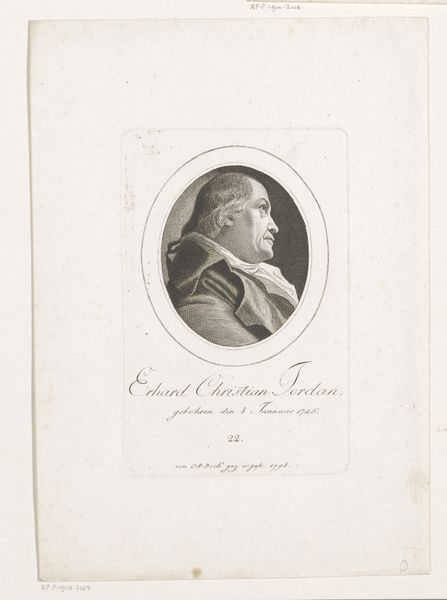
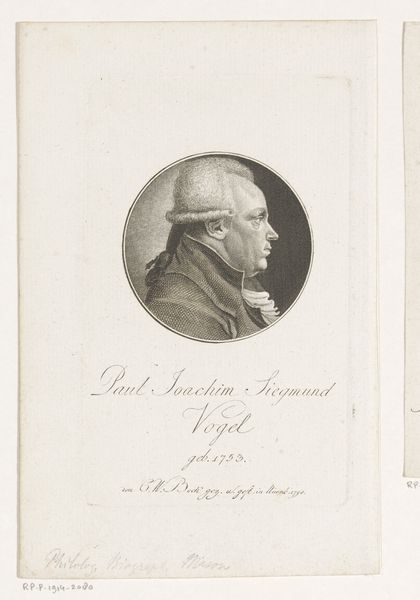
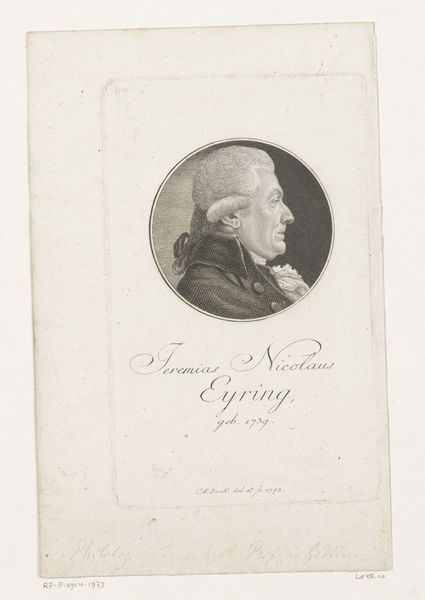
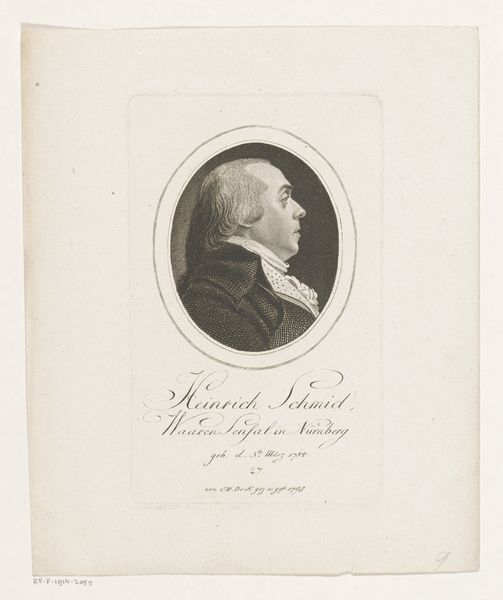
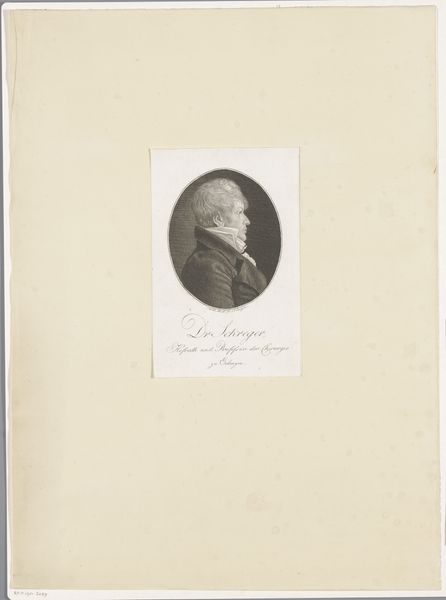
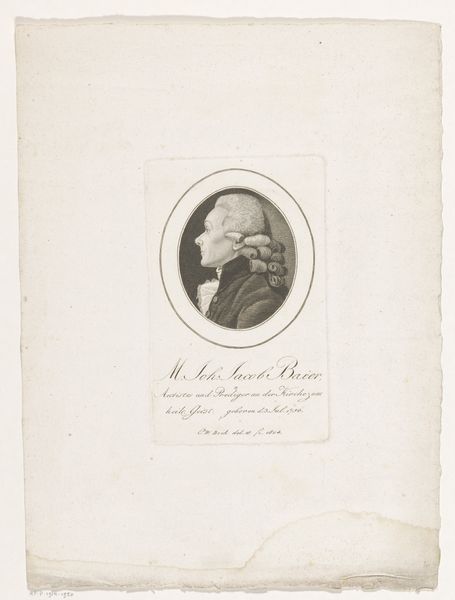
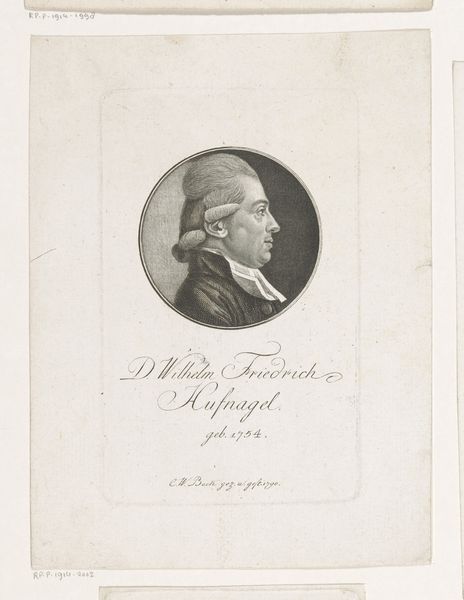
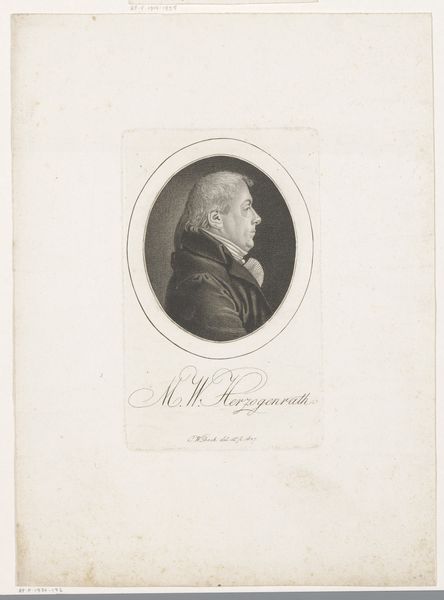
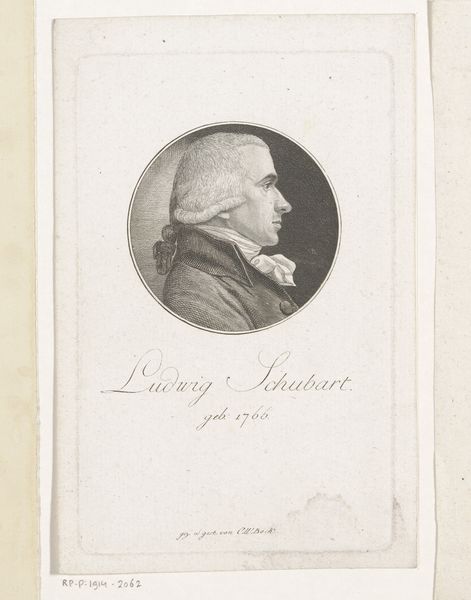
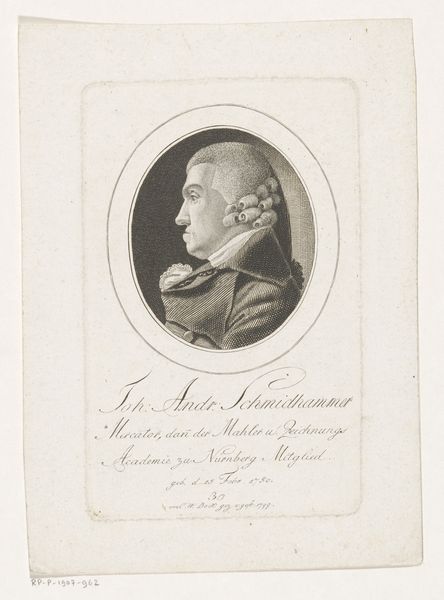
This is a portrait of Georg Franz Hoffmann, made by Christoph-Wilhelm Bock as an etching on paper. The printmaking process itself is a crucial part of this artwork's story. Look closely, and you can see how the lines are built up through tiny, careful marks. Bock would have used a sharp needle to draw through a waxy ground on a metal plate, which was then exposed to acid. The acid bites into the metal where the needle has scratched away the ground, creating an incised line that holds ink. This skilled process resulted in multiple impressions of the image. Think about the social context that made such an image possible. Etchings allowed for relatively quick and inexpensive reproduction, making images more accessible to a wider audience. This aligns with the burgeoning print culture of the time, where knowledge and images were being disseminated through printed materials. The significance of this artwork lies not just in its depiction, but also in understanding the labor, skill, and social systems that allowed it to be made and distributed. It challenges distinctions between fine art and craft.