About this artwork
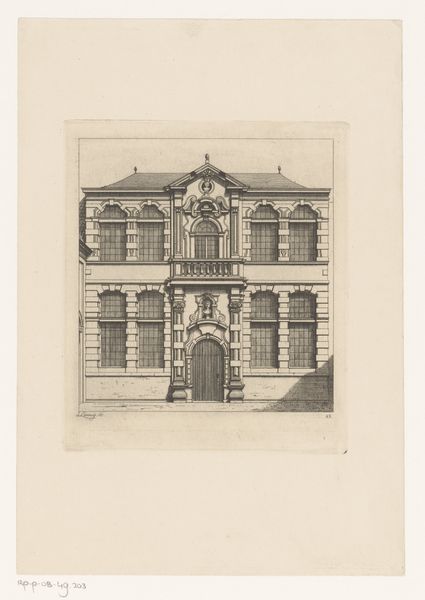
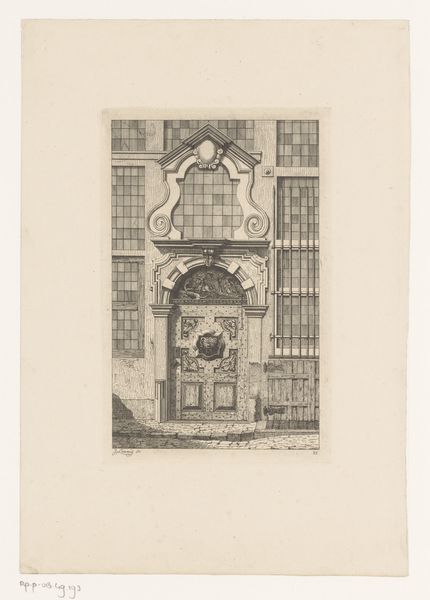
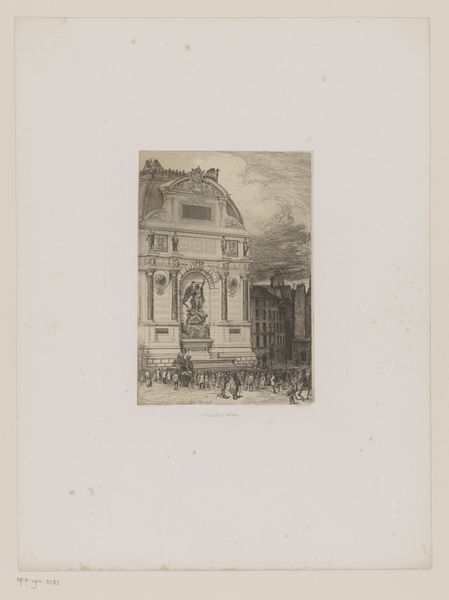
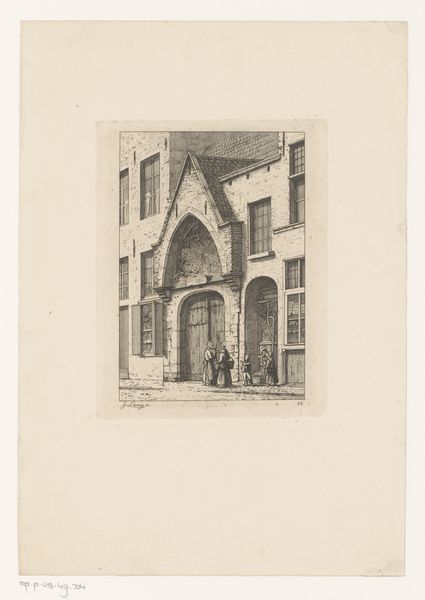
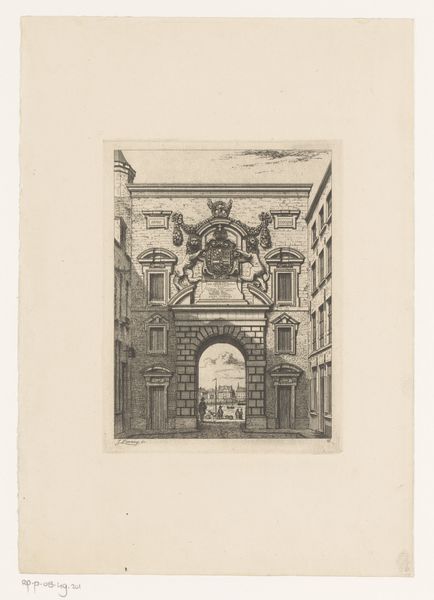
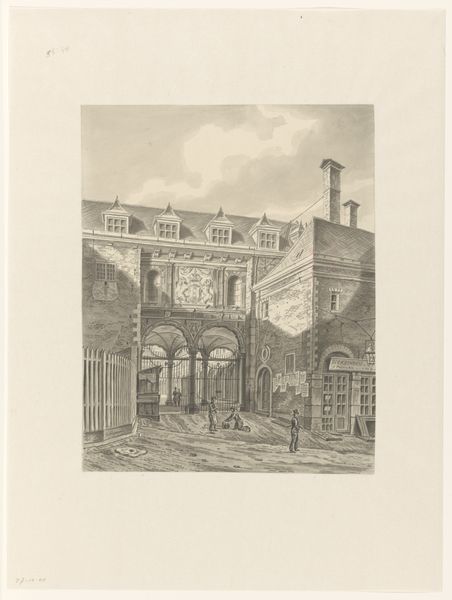
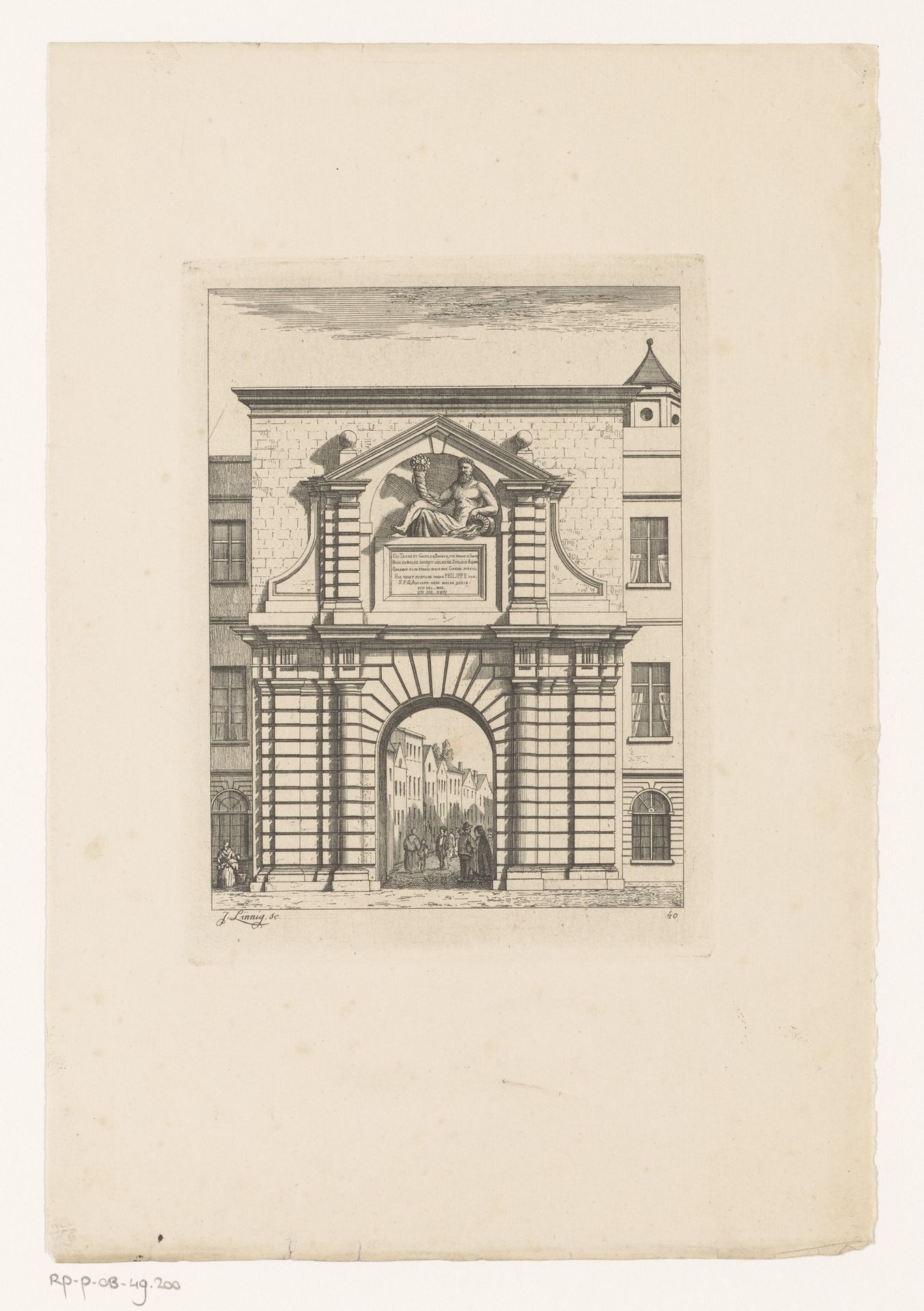
Jean Théodore Joseph Linnig made this print of the Waterpoort in Antwerp using etching. The image presents the viewer with a grand entrance to the city, emphasizing the importance of trade and transportation to Antwerp’s wealth. Note the figures passing through the gate; we can imagine the constant flow of people and goods that sustained the city’s economy. Linnig made this print in Belgium, a nation whose identity was forged through complex interactions of commerce and politics, particularly during the 19th century. The institutions of art, such as academies and salons, played a crucial role in shaping artistic taste and promoting certain national narratives. Linnig’s choice of subject matter and his meticulous technique reflect the values of his time: a fascination with urban life and an appreciation for detailed representation. To fully understand this artwork, a historian might consult city archives, trade records, and exhibition catalogs. The meaning of this print is contingent on the social and institutional contexts in which it was created and viewed.
Gezicht op de Waterpoort aan de Schelde in Antwerpen 1868

Artwork details
- Medium
- print, engraving
- Dimensions
- height 171 mm, width 128 mm
- Copyright
- Rijks Museum: Open Domain
Tags
cityscape
genre-painting
engraving
realism
Comments
No comments
About this artwork
Jean Théodore Joseph Linnig made this print of the Waterpoort in Antwerp using etching. The image presents the viewer with a grand entrance to the city, emphasizing the importance of trade and transportation to Antwerp’s wealth. Note the figures passing through the gate; we can imagine the constant flow of people and goods that sustained the city’s economy. Linnig made this print in Belgium, a nation whose identity was forged through complex interactions of commerce and politics, particularly during the 19th century. The institutions of art, such as academies and salons, played a crucial role in shaping artistic taste and promoting certain national narratives. Linnig’s choice of subject matter and his meticulous technique reflect the values of his time: a fascination with urban life and an appreciation for detailed representation. To fully understand this artwork, a historian might consult city archives, trade records, and exhibition catalogs. The meaning of this print is contingent on the social and institutional contexts in which it was created and viewed.
Comments
No comments