1830
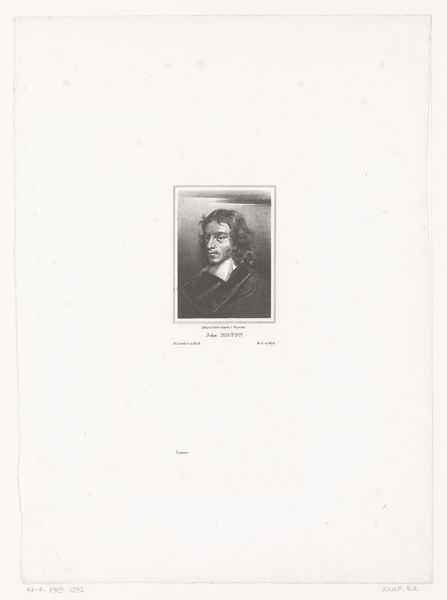
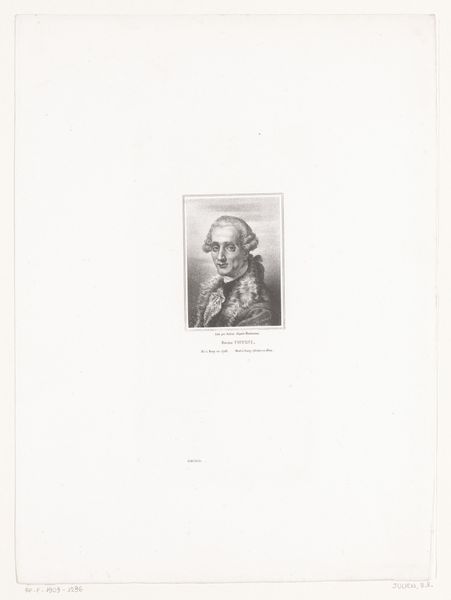
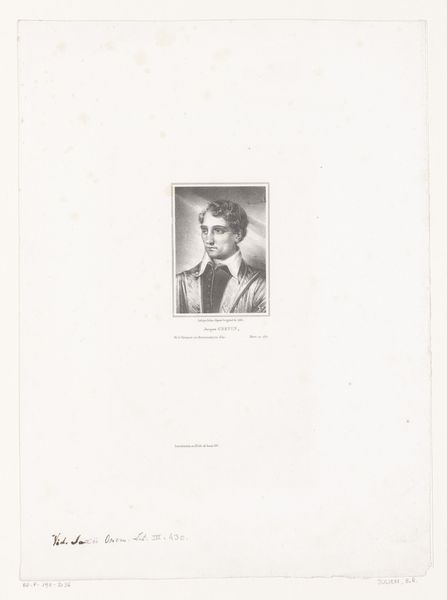
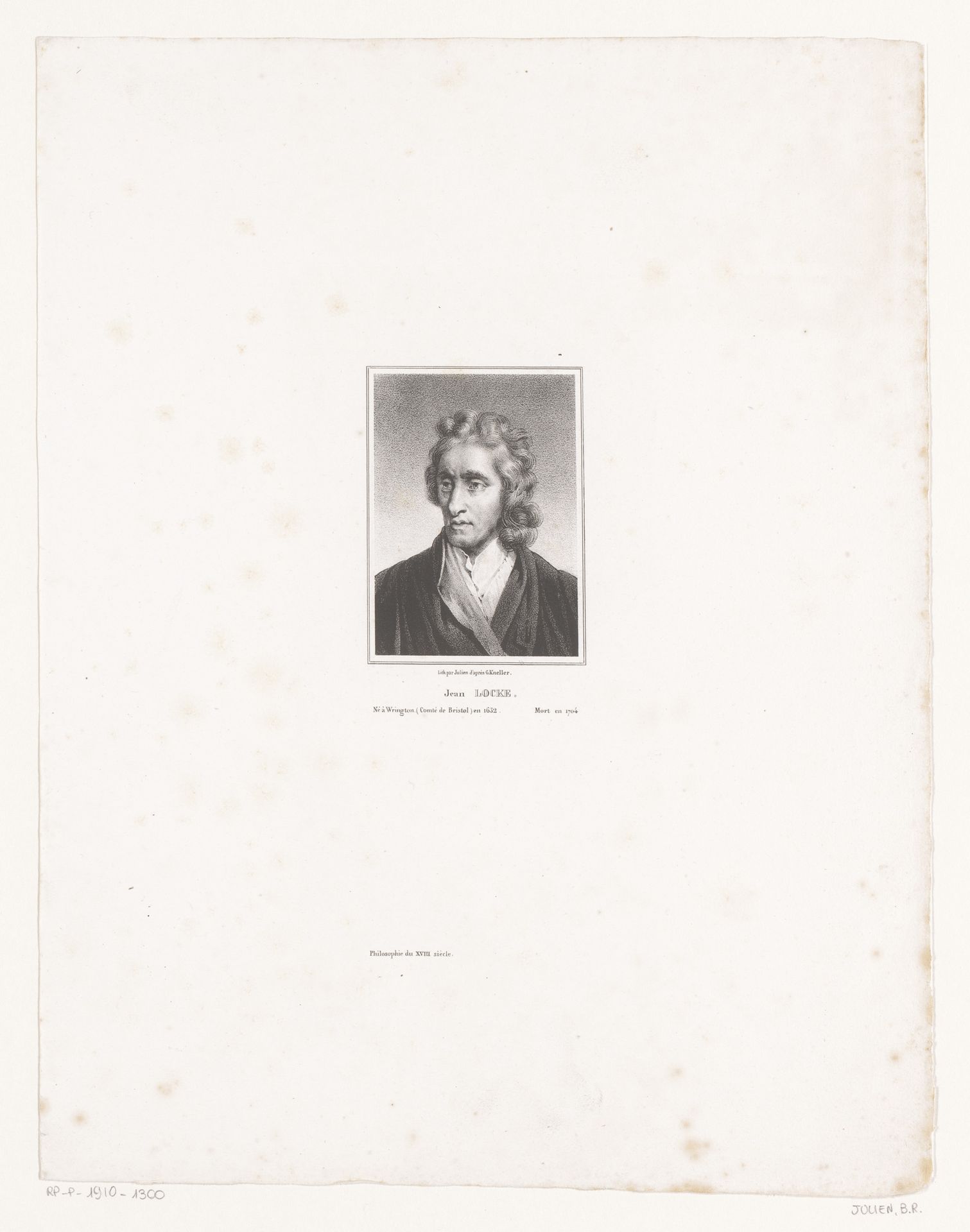
Portret van John Locke

Bernard Romain Julien
1802 - 1871Location
RijksmuseumListen to curator's interpretation
Curatorial notes
Bernard Romain Julien made this print of John Locke sometime in the 19th century. This portrait makes reference to intellectualism. It is meant to capture the essence of Locke's philosophical contributions. As historians, we can ask how this image of Locke participates in broader cultural conversations about knowledge, power, and the role of the individual in society. This was a period marked by significant social and political upheaval, including the rise of democratic ideals and the questioning of traditional authority. The print was made in France at the time of enormous social change. The very concept of the public intellectual was being debated and contested. To understand this print better, we might consult sources such as Locke's writings, biographies, and studies of 19th-century French intellectual culture. By examining this print through the lens of social and institutional history, we can gain a deeper appreciation of its significance.