About this artwork
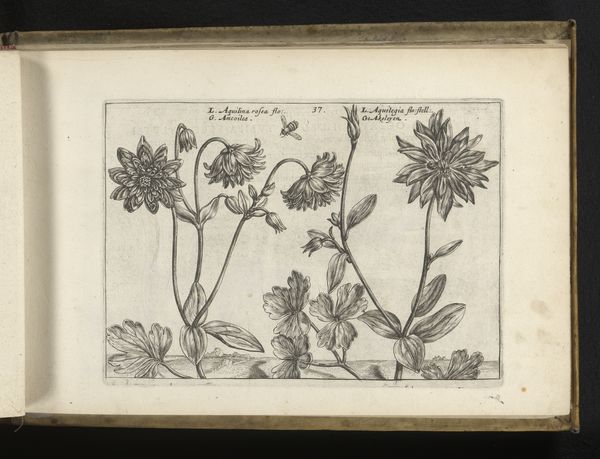
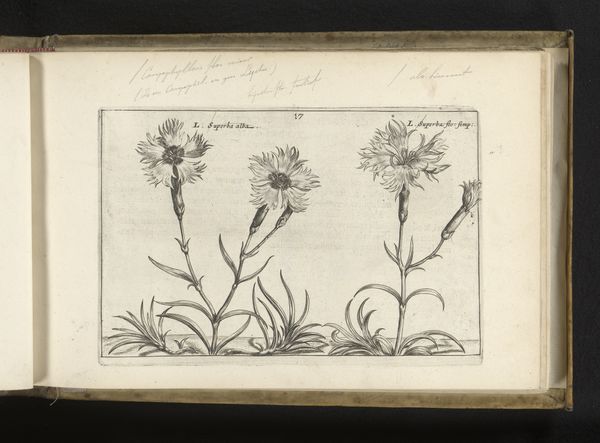
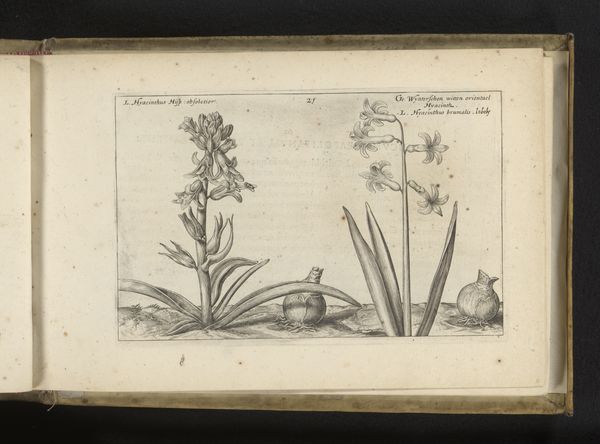
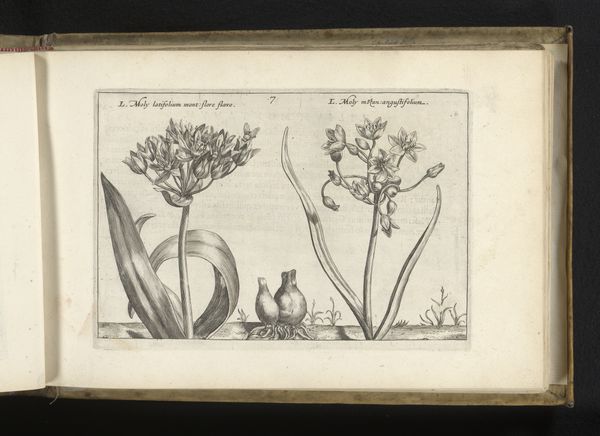
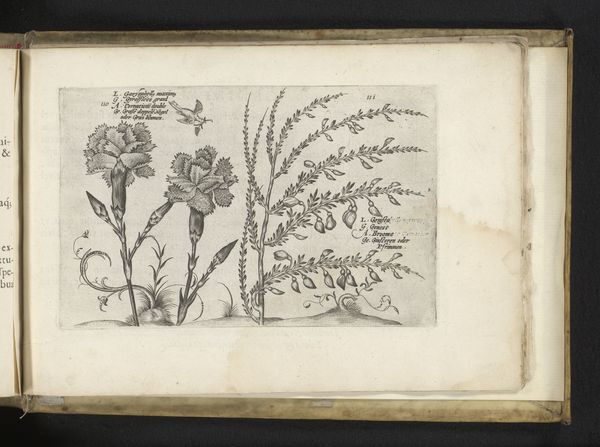
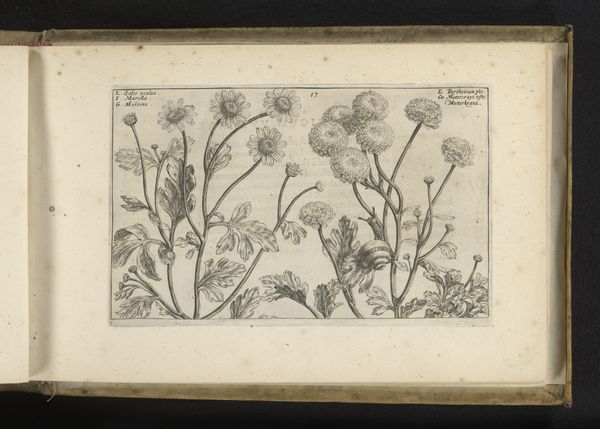
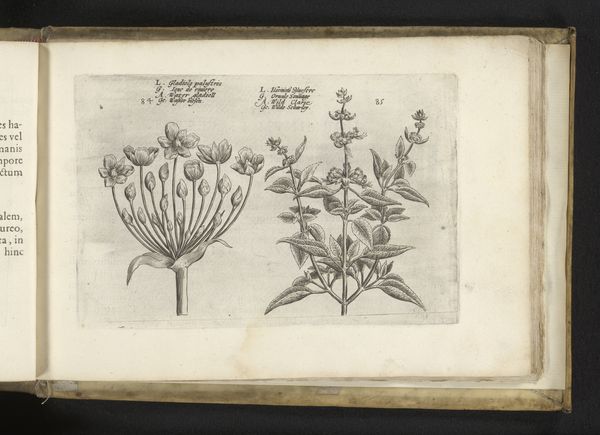
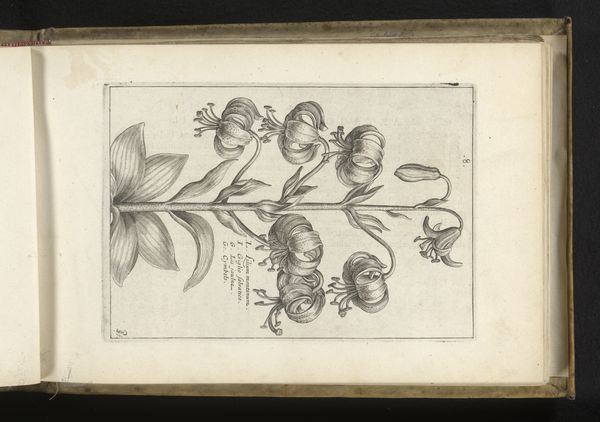
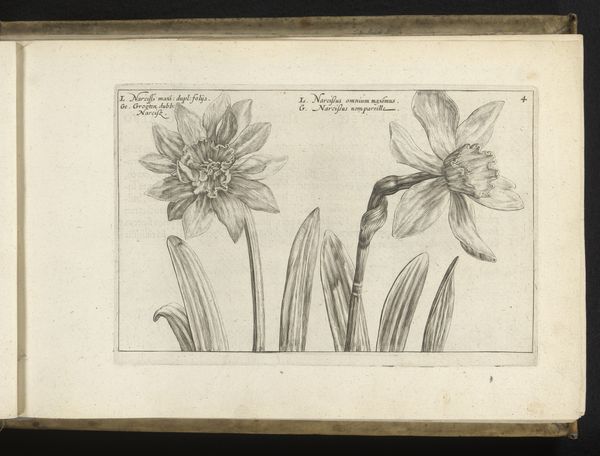
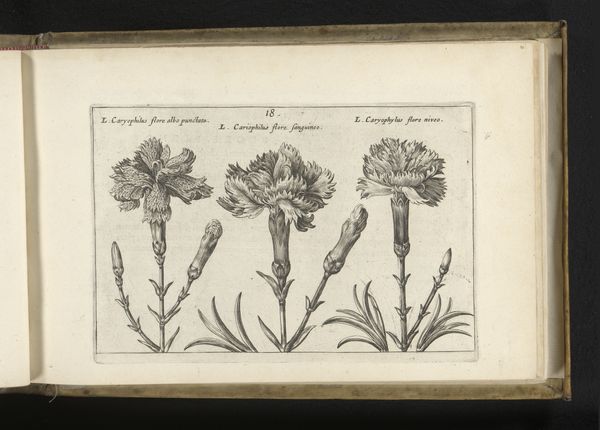
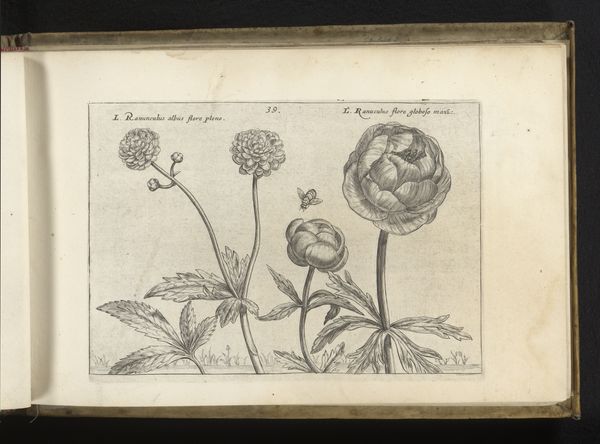
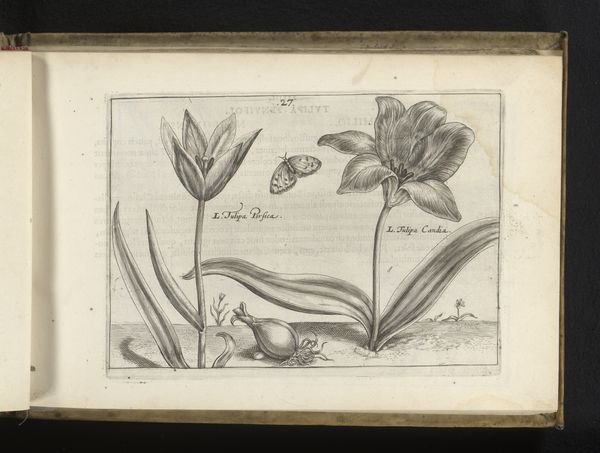
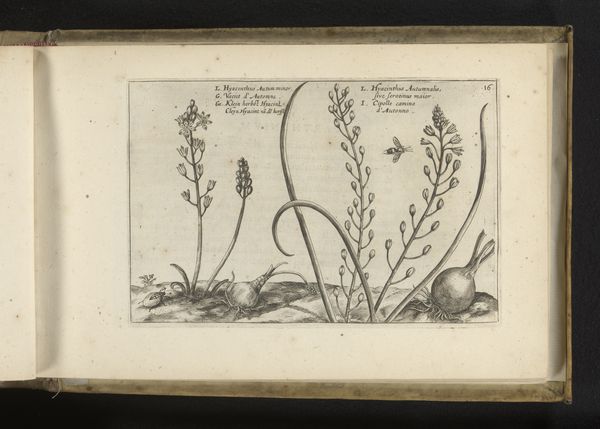
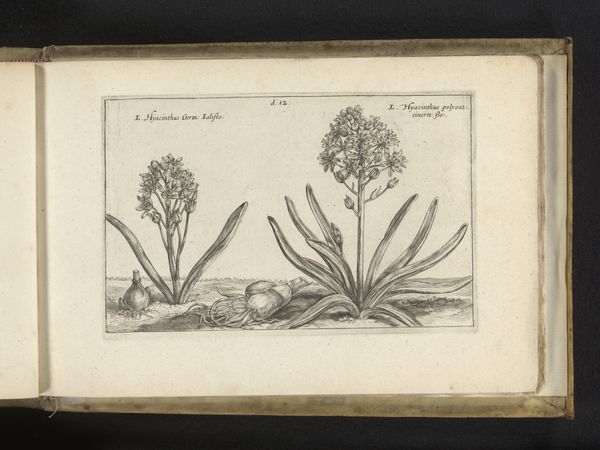
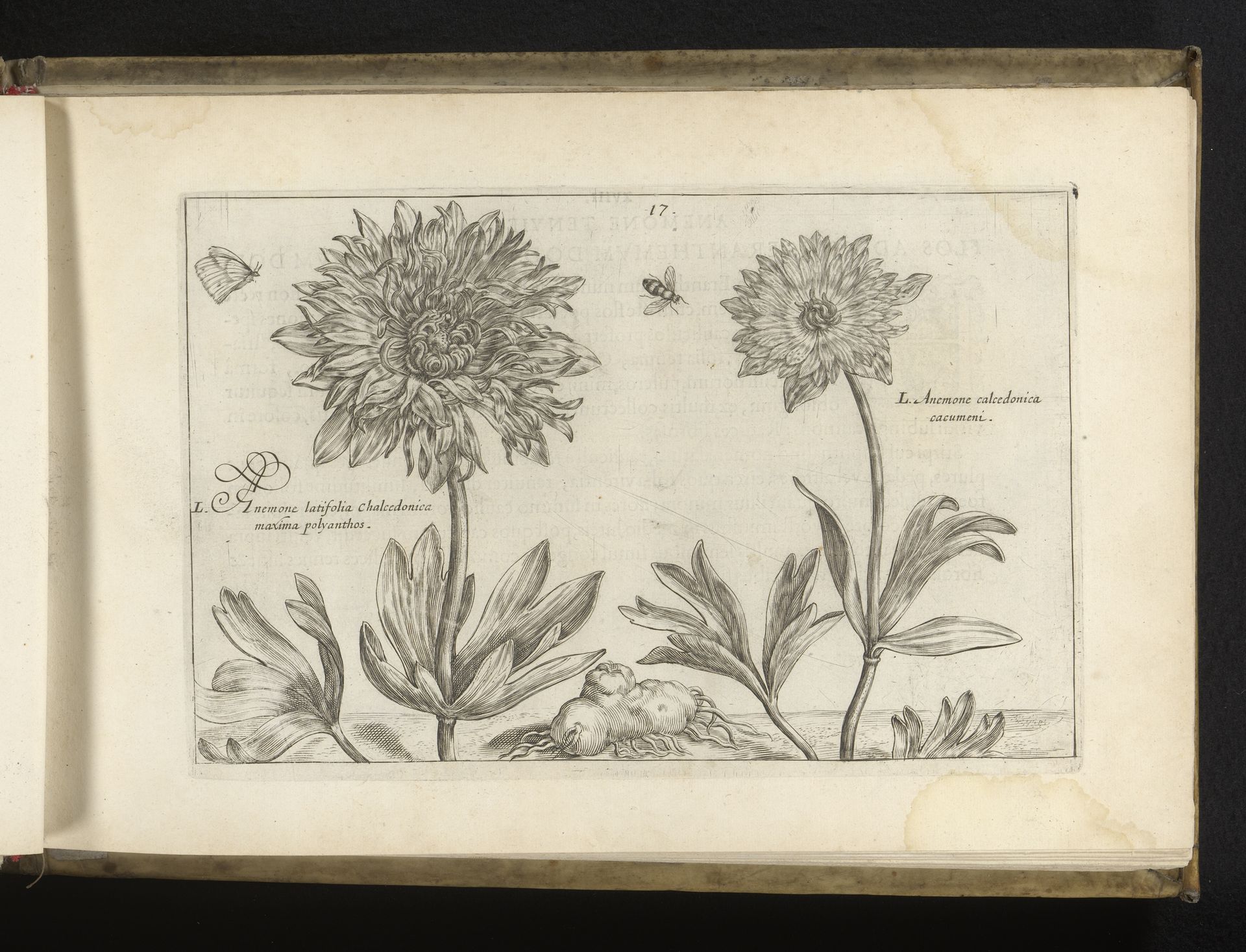
Crispijn van de Passe the Younger made this print of two anemone cultivars. It's a reminder of the explosion of interest in botany and natural history during the 17th century. But it’s not just about science. The print also speaks to the rise of a wealthy merchant class in the Netherlands, eager to display its refined tastes and knowledge. Botanical prints like this were luxury items, symbols of status and education. They adorned the homes of the well-to-do, signaling their engagement with the latest intellectual trends. The print also reflects a growing international trade network. Exotic plants from far-flung corners of the globe were making their way to Europe. This print testifies to how the circulation of goods was intertwined with the circulation of knowledge. To understand this print better, we might consult contemporary botanical texts and the inventories of wealthy households. This will help us see how art, science, and social status were intertwined in the Dutch Golden Age.
Twee cultivars uit het genus anemone
1617

Crispijn van de (II) Passe
1597 - 1670Location
RijksmuseumArtwork details
- Medium
- drawing, print, paper, ink, engraving
- Dimensions
- height 144 mm, width 218 mm
- Location
- Rijksmuseum
- Copyright
- Rijks Museum: Open Domain
Tags
Comments
Share your thoughts
About this artwork
Crispijn van de Passe the Younger made this print of two anemone cultivars. It's a reminder of the explosion of interest in botany and natural history during the 17th century. But it’s not just about science. The print also speaks to the rise of a wealthy merchant class in the Netherlands, eager to display its refined tastes and knowledge. Botanical prints like this were luxury items, symbols of status and education. They adorned the homes of the well-to-do, signaling their engagement with the latest intellectual trends. The print also reflects a growing international trade network. Exotic plants from far-flung corners of the globe were making their way to Europe. This print testifies to how the circulation of goods was intertwined with the circulation of knowledge. To understand this print better, we might consult contemporary botanical texts and the inventories of wealthy households. This will help us see how art, science, and social status were intertwined in the Dutch Golden Age.
Comments
Share your thoughts