About this artwork
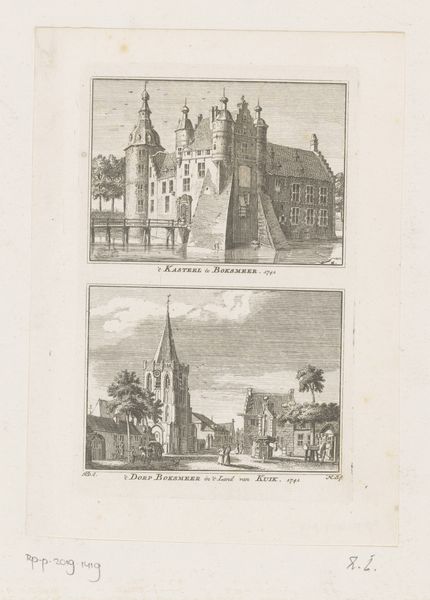
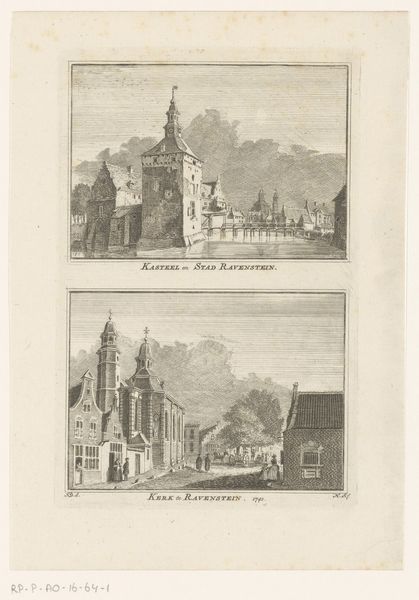
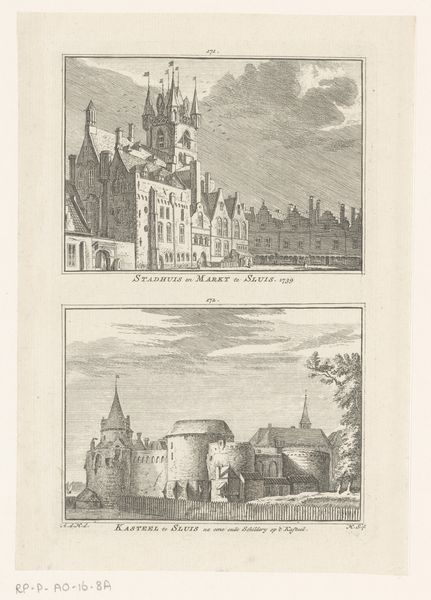
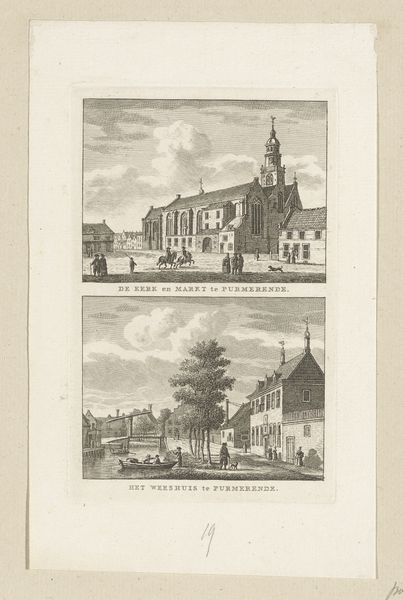
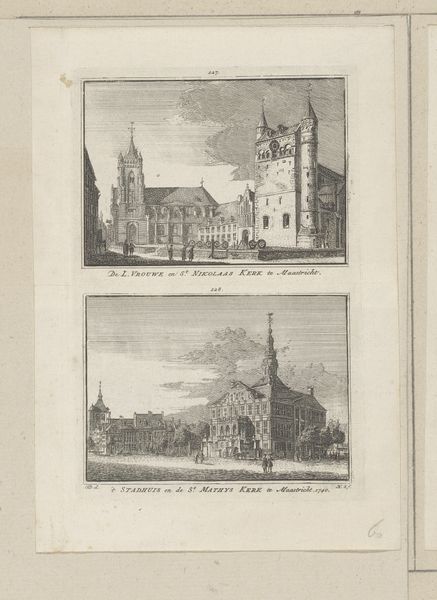
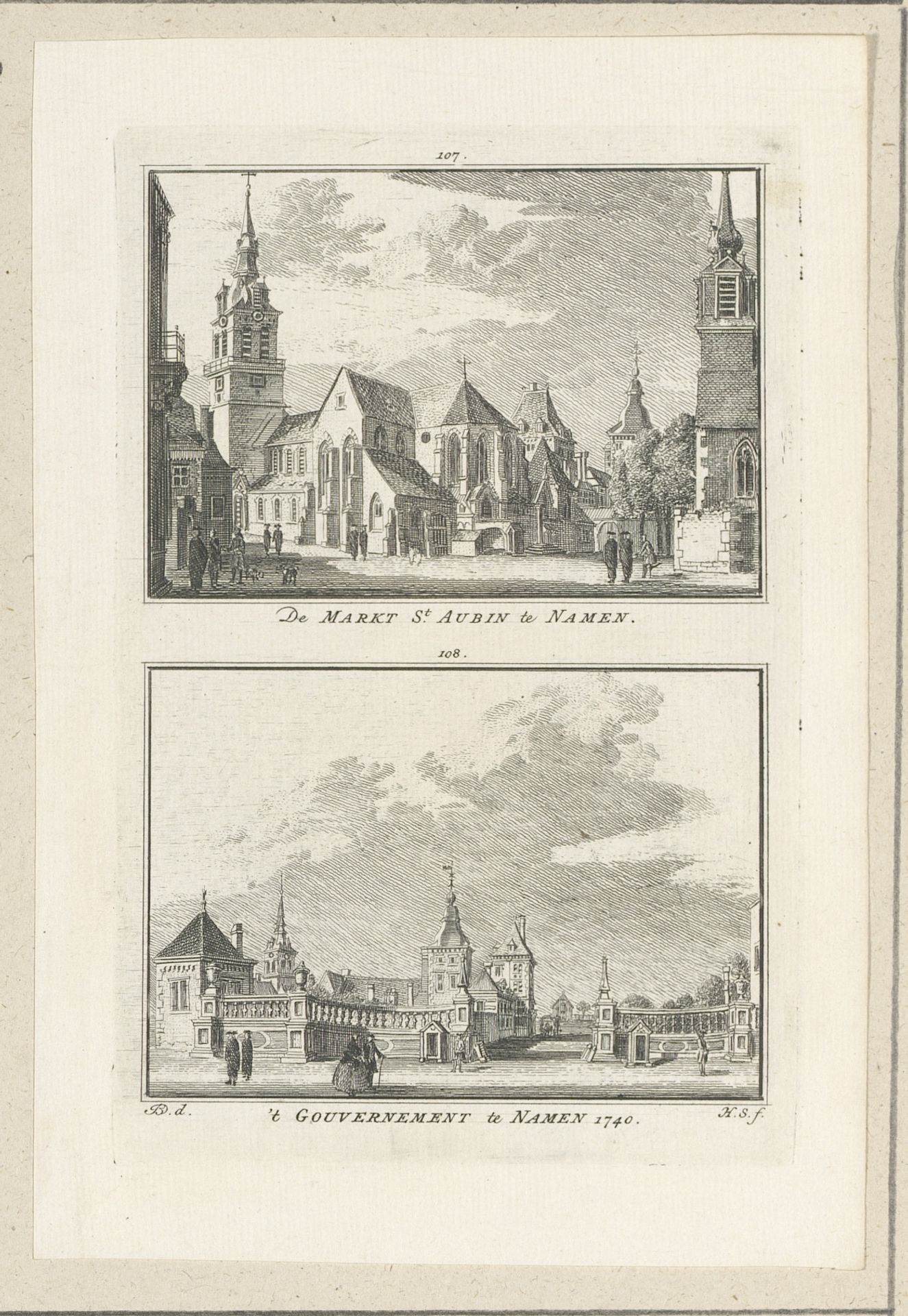
Hendrik Spilman created this print of St. Aubin market and the government building in Namur in 1740. It is a study in contrasts achieved through precise lines and compositional balance. Spilman uses two distinct perspectives. In the upper panel, the buildings of St. Aubin market are rendered with a dense accumulation of vertical lines. The spires and roofs create a dynamic rhythm, offset by the solid, block-like structures below. This is counterposed to the lower panel, depicting the government building, where horizontal lines dominate, suggesting stability and order. The architectural elements are neatly aligned, and the perspective is carefully managed to convey a sense of depth. This division highlights how the architecture of governance is ordered and the market is animated. Through these formal choices, Spilman invites us to consider the power structures embedded within the urban landscape, reminding us that every line and form serves not just to depict but also to subtly shape our understanding.
Gezicht op de markt St. Aubin en een gezicht op het gouvernement, te Namen, 1740
1746 - 1792

Hendrik Spilman
1721 - 1784Location
RijksmuseumArtwork details
- Dimensions
- height 169 mm, width 112 mm
- Location
- Rijksmuseum
- Copyright
- Rijks Museum: Open Domain
Comments
Be the first to share your thoughts about this work.
About this artwork
Hendrik Spilman created this print of St. Aubin market and the government building in Namur in 1740. It is a study in contrasts achieved through precise lines and compositional balance. Spilman uses two distinct perspectives. In the upper panel, the buildings of St. Aubin market are rendered with a dense accumulation of vertical lines. The spires and roofs create a dynamic rhythm, offset by the solid, block-like structures below. This is counterposed to the lower panel, depicting the government building, where horizontal lines dominate, suggesting stability and order. The architectural elements are neatly aligned, and the perspective is carefully managed to convey a sense of depth. This division highlights how the architecture of governance is ordered and the market is animated. Through these formal choices, Spilman invites us to consider the power structures embedded within the urban landscape, reminding us that every line and form serves not just to depict but also to subtly shape our understanding.
Comments
Be the first to share your thoughts about this work.