1912
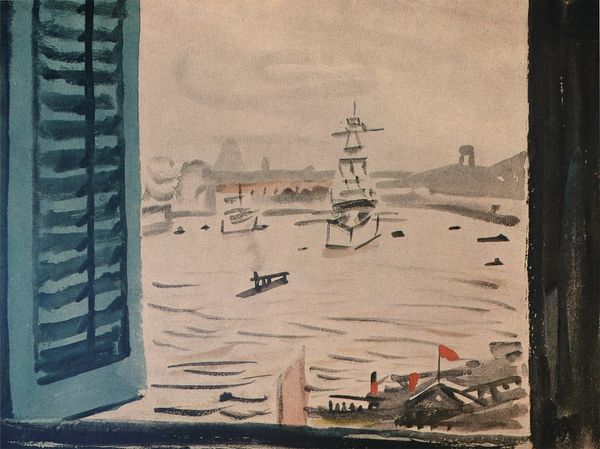
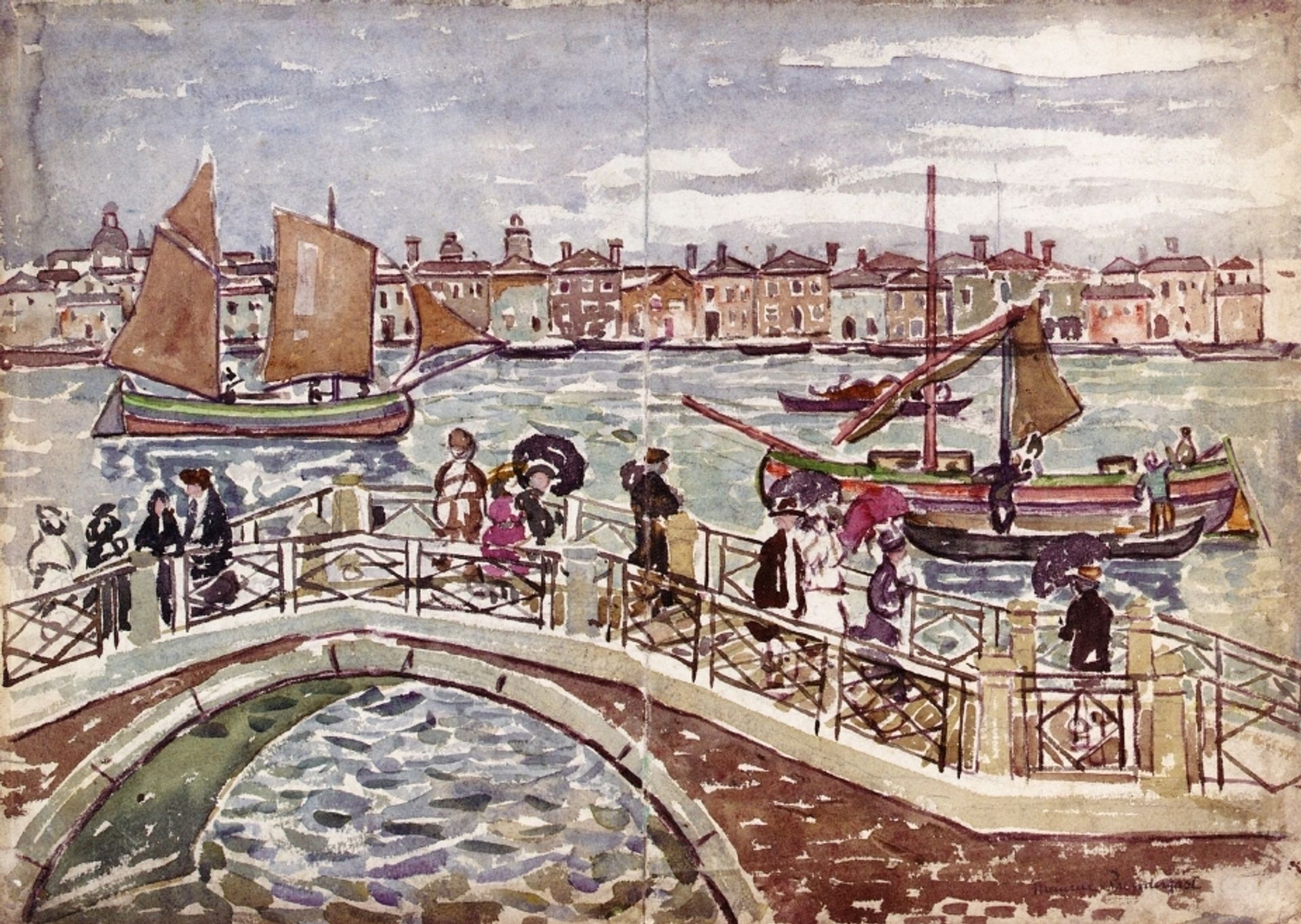
View of Venice (also known as Giudecca from The Zattere)

Maurice Prendergast
1858 - 1924Location
Private CollectionListen to curator's interpretation
Curatorial notes
Editor: So, here we have Maurice Prendergast's "View of Venice," or "Giudecca from the Zattere," created in 1912. It’s a watercolor, and the effect is just...dreamy. I’m curious about the artist's perspective. What do you see in this piece beyond the obvious cityscape? Curator: I see the materiality speaking volumes about class and labor. Watercolor, unlike oil, was more portable, affordable. This allowed Prendergast to capture scenes *en plein air*, connecting the art-making process directly to the Venetian environment. Who had the time for leisurely sketching in Venice, and who was working? Editor: That's interesting. It’s easy to get caught up in the picturesque scene, but you’re right, the accessibility of the medium says something about the artist’s position and perhaps the audience he imagined. Curator: Exactly. Consider the subjects. Are they workers, tourists, or locals? The rapid strokes of watercolor reflect not just Impressionistic style, but the pace of modern life, consumption, and a potential artistic commentary of tourism’s impact on Venetian society and labour. The medium shapes how it’s sold, bought and made. What do you make of that tension? Editor: I see your point. I hadn’t considered how the choice of watercolor and the outdoor creation process might highlight these social divisions and reflect on modern life itself. Thanks for expanding my view. Curator: Precisely! It's through analysing materials, their sourcing and implications for labour and economic status that one can uncover these narratives beyond surface-level representation. This piece opens up for questions concerning access and economic mobility in early 20th century Venice.